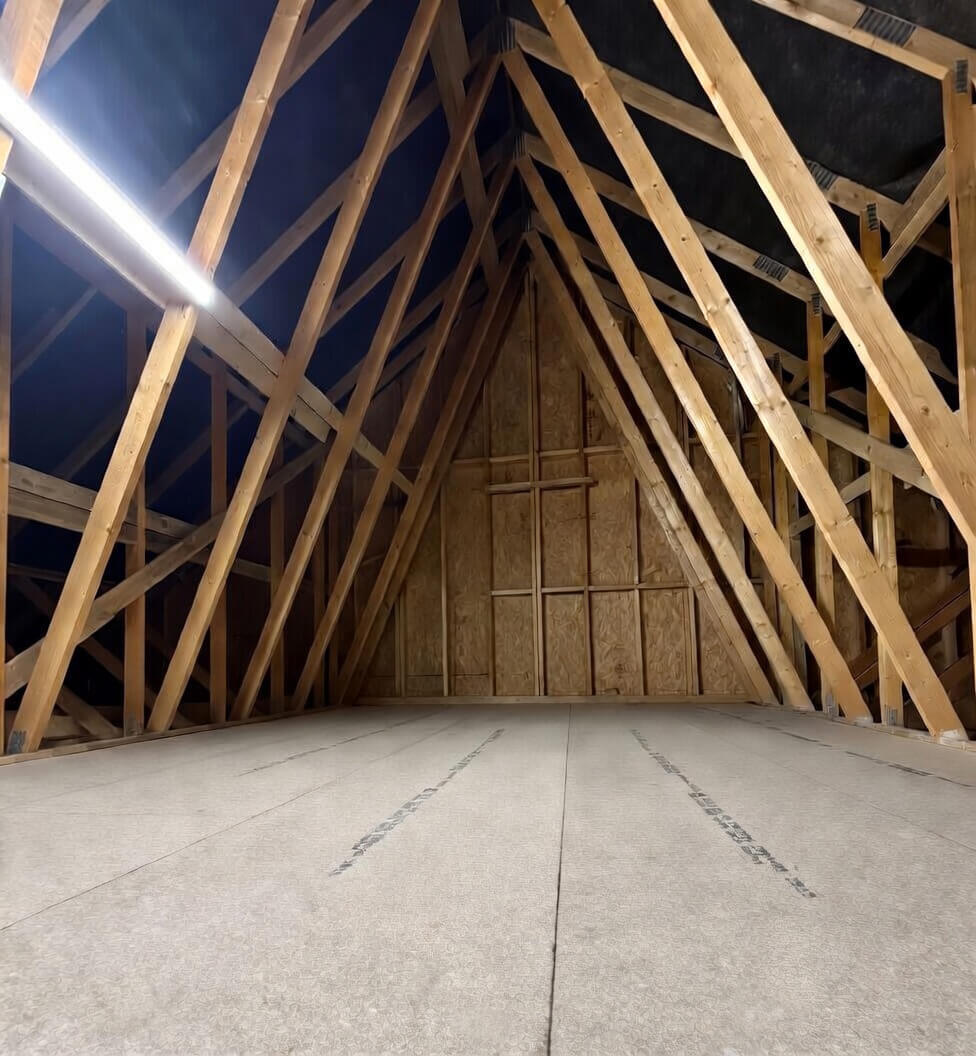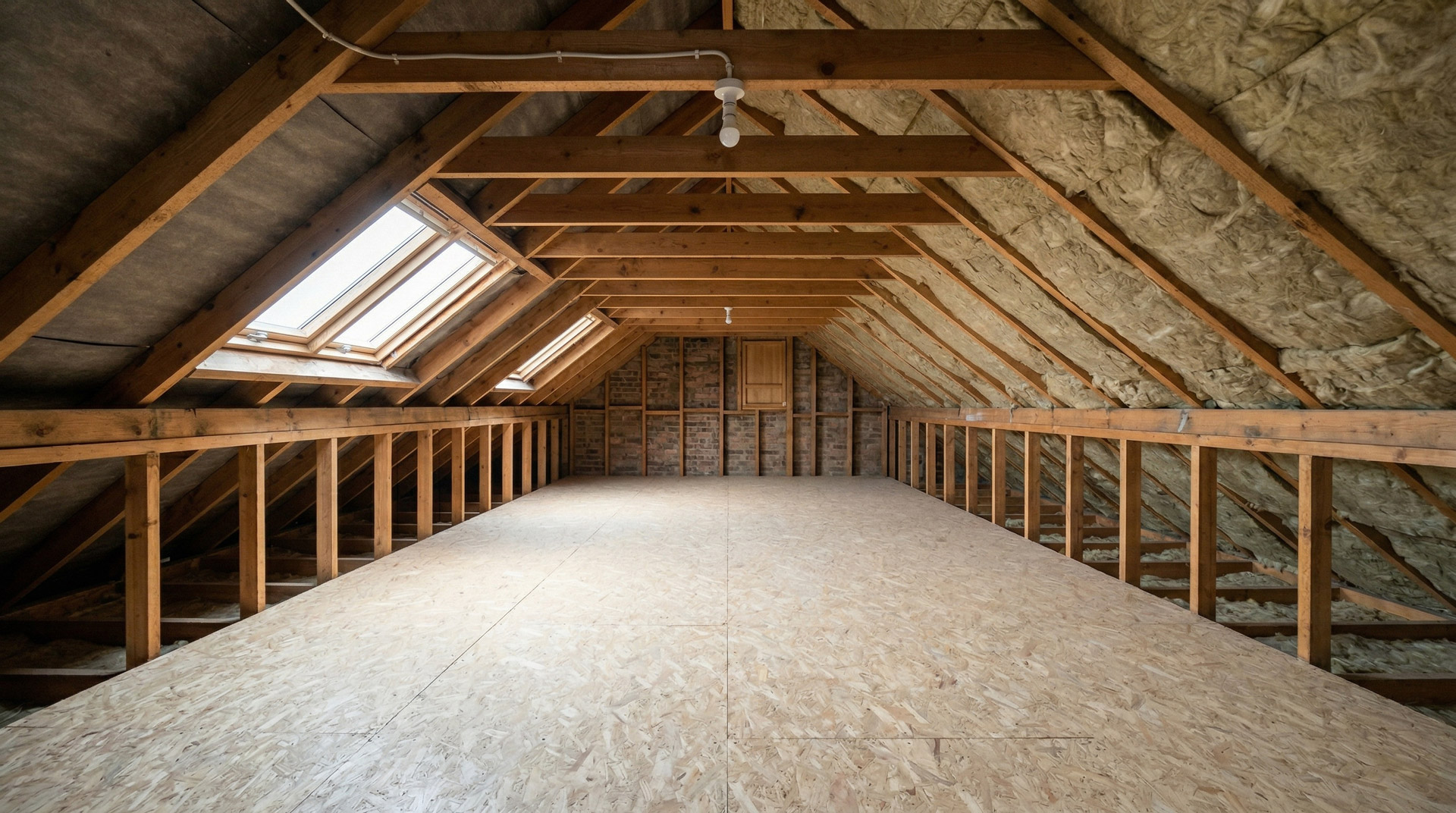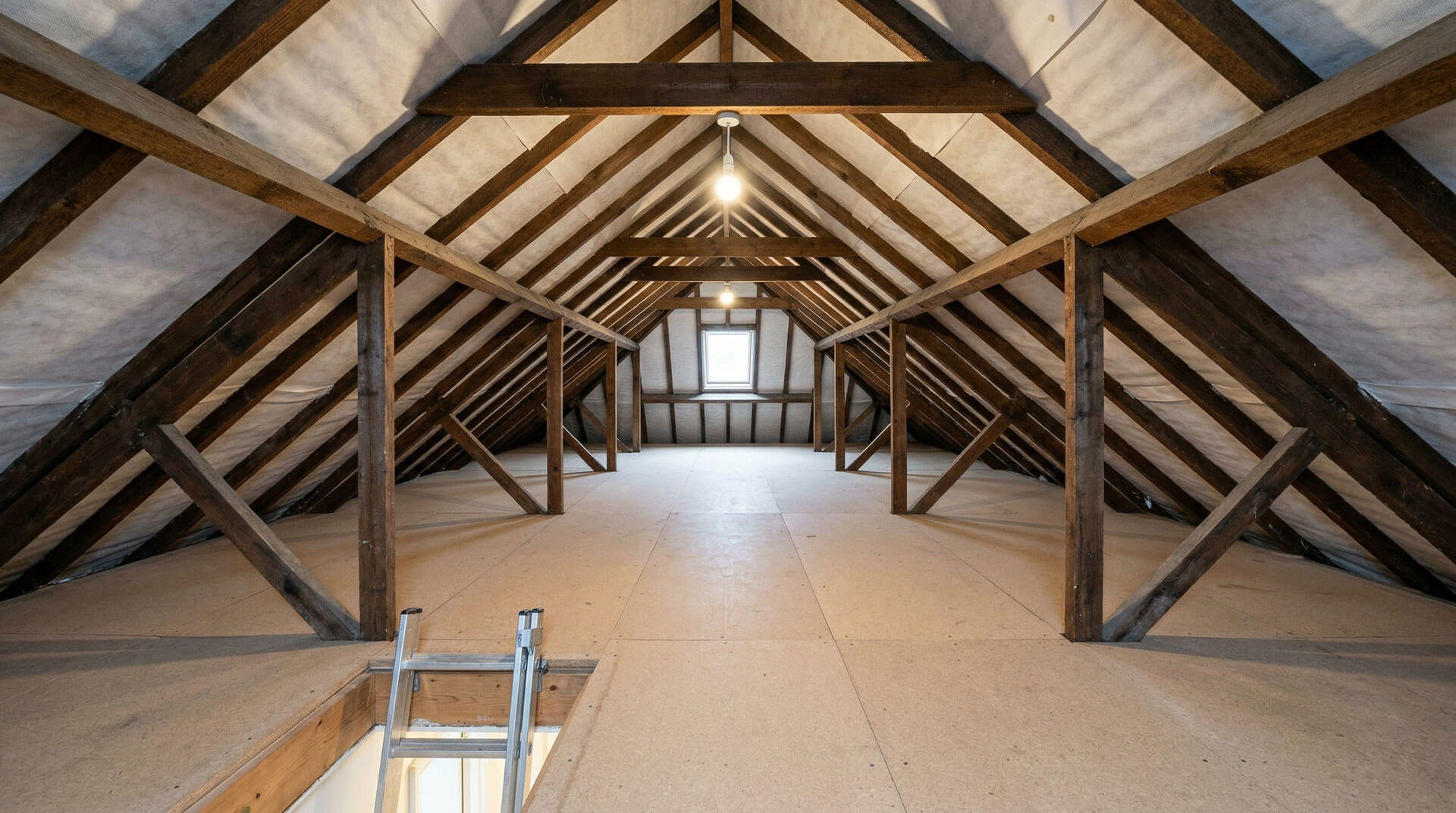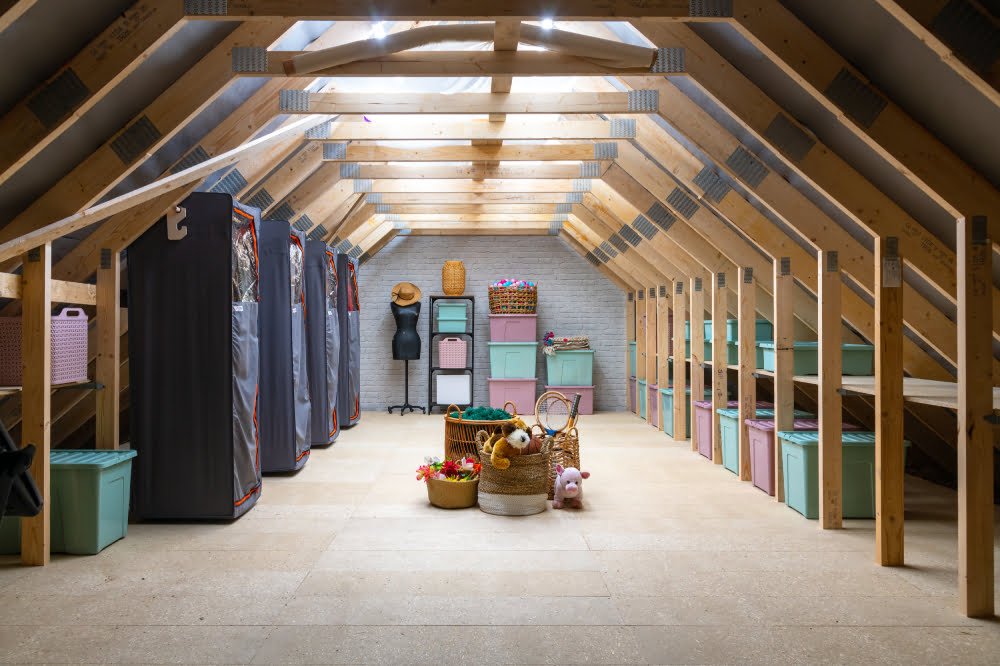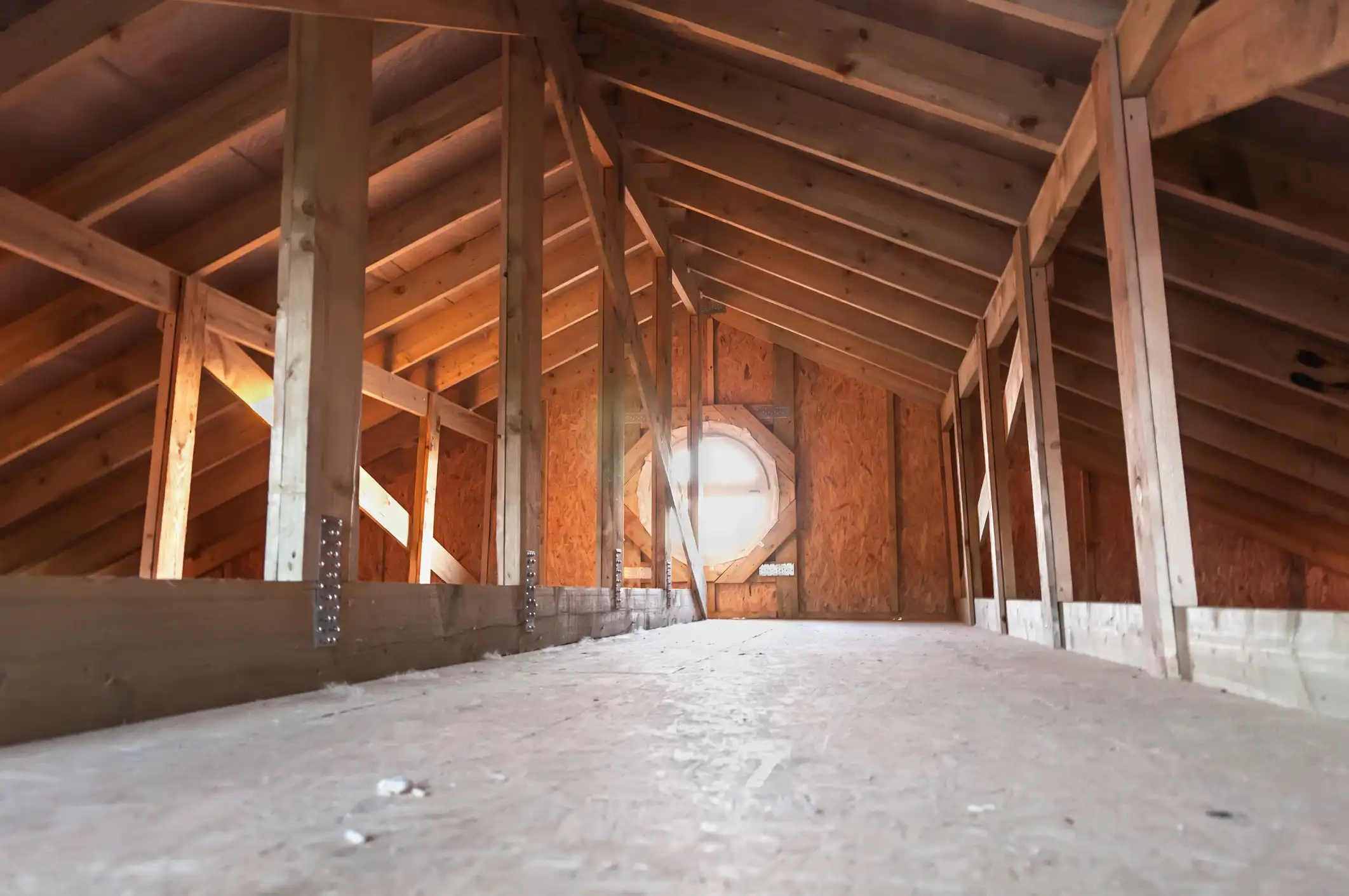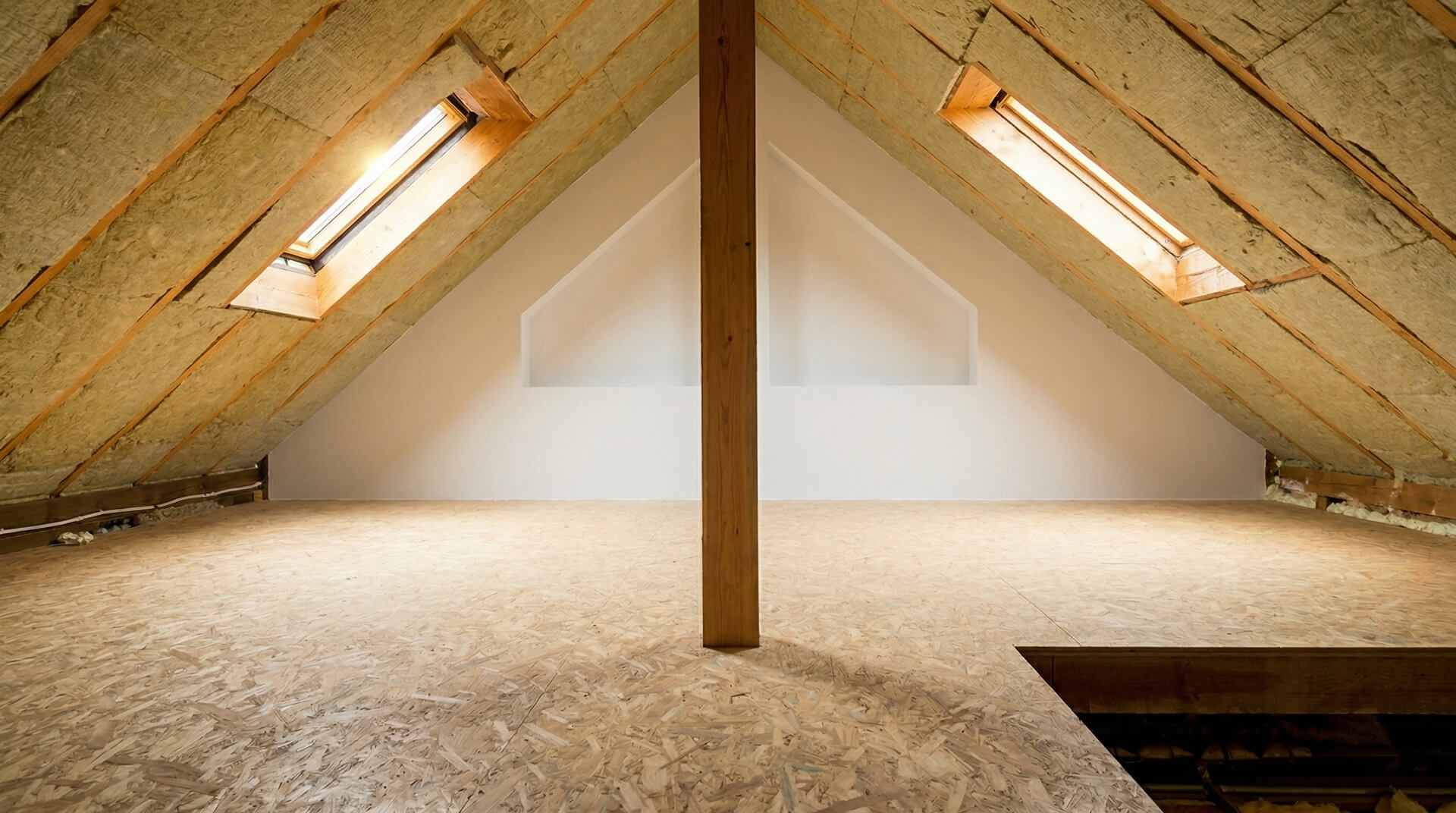
Yes, you can board your loft yourself in some cases, but only if the structure is suitable, the insulation is protected, and the boards are raised above the joists rather than compressing the insulation. Many lofts are not designed for direct boarding, so it is important to check load limits, ventilation, and safe access before you start.
If you are thinking about DIY loft boarding, it can work well for light storage. However, it is not as simple as laying boards across the nearest timbers. A safe result depends on the joists in your loft, the depth of insulation, how much weight the area will carry, and whether ventilation, wiring, and pipework can stay clear.
This guide explains when you can board your own loft, what can go wrong, how to do it properly, and when it makes more sense to bring in a specialist such as Primeway Home Solutions Ltd.
Can You Board Your Loft Yourself?
Yes, in some homes you can board your loft yourself for light storage, as long as the loft is structurally suitable and you use a raised system that protects the insulation. However, you should never assume that every loft is ready for DIY boarding.
- DIY Loft Boarding Is Usually Suitable When: You only need light storage, the loft has safe access, and the joists are sound.
- DIY Loft Boarding Is Risky When: You are unsure about load limits, insulation depth, ventilation, or the condition of the roof space.
- Direct Boarding Onto Joists Is Often A Problem: It can squash insulation, reduce energy efficiency, and increase the risk of condensation.
- A Boarded Loft Is Not A Loft Conversion: Boarding for storage does not make the space suitable for regular living use.
If your goal is safe, tidy loft storage, DIY may be possible. If your loft has structural concerns, awkward access, damp issues, or deep insulation, a professional assessment is usually the safer choice.
When DIY Loft Boarding Is Possible
If Your Loft Is Only For Light Storage
DIY loft boarding is most suitable when you want to store lighter household items. These may include suitcases, seasonal decorations, empty boxes, or archived paperwork. Most standard lofts in UK homes are not designed to act as living rooms or to hold heavy furniture, gym equipment, or dense loads.
A good rule is to treat boarded loft storage as a convenience space, not as a full structural floor.
If The Joists And Access Are Suitable
Before you board anything, identify what the timbers are doing. Many lofts have ceiling joists. These mainly support the plasterboard ceiling below, rather than acting as a heavy-duty floor.
Safe DIY boarding is more realistic when:
- The Joists Are In Good Condition: No cracking, sagging, rot, or notching damage.
- The Loft Has Safe Access: A stable hatch, enough headroom to work carefully, and a secure ladder.
- You Can Move Safely: Enough space to position boards without stepping through the ceiling.
If access is poor, upgrading the hatch or ladder first can make the whole job safer. Primeway Home Solutions Ltd offers loft hatch solutions and loft ladder installation if your current setup feels awkward or unsafe.
If You Can Keep Insulation And Ventilation Working Properly
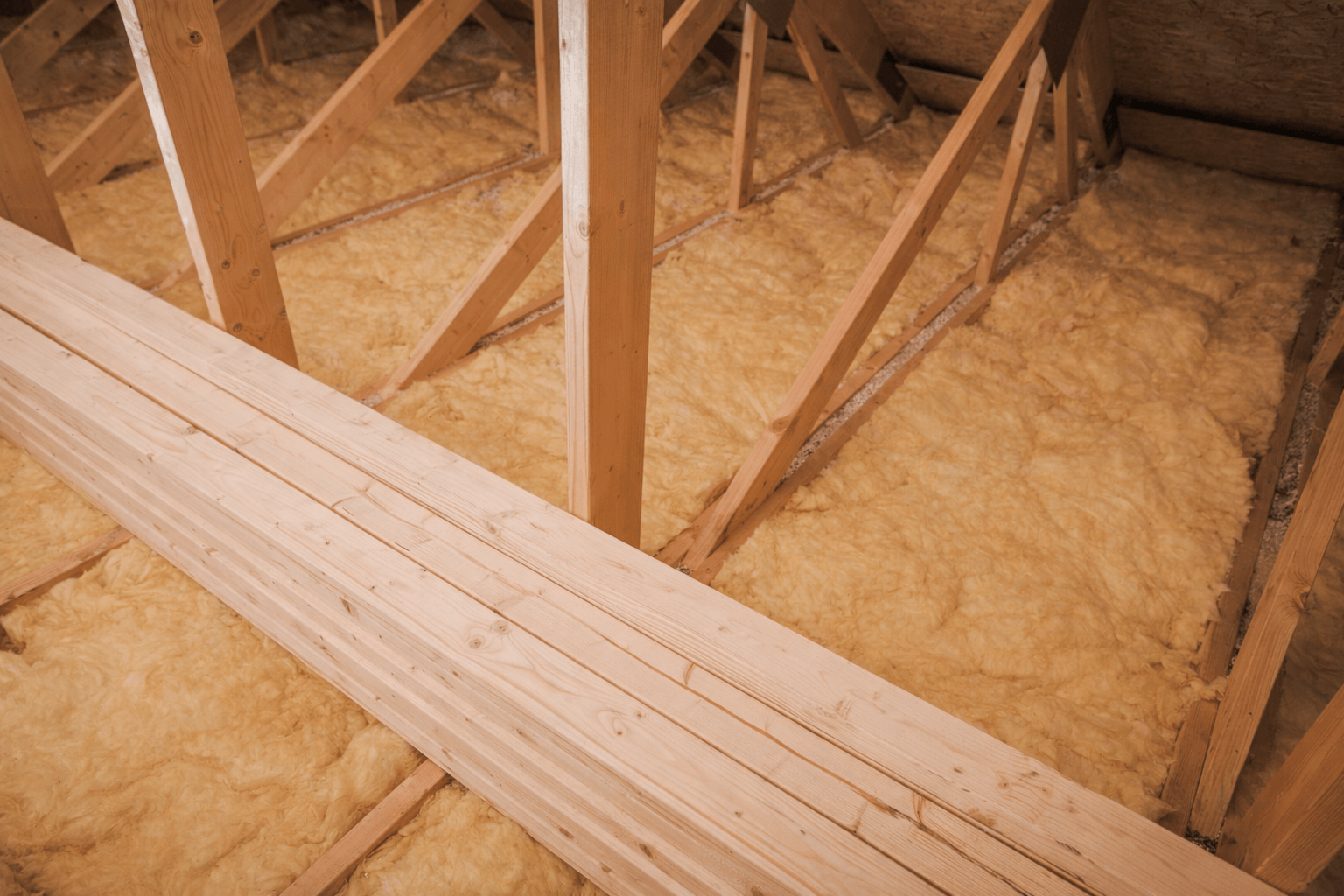
Modern loft insulation is often deeper than the joists. That is good for energy efficiency, but it also means direct boarding can flatten the insulation. According to UK Government Approved Document L, insulation performance is a key part of conserving fuel and power.
DIY boarding is more practical when you can install a raised loft boarding system. This often uses loft legs or a raised timber sub-frame. It helps the insulation stay at full depth and allows air to move where needed.
When You Should Not Board A Loft Yourself
Boarding Directly Onto Ceiling Joists
If your plan is to screw boards straight onto ceiling joists without checking the structure, stop and reassess. Ceiling joists are not the same as a purpose-built floor structure. Overloading them can lead to sagging ceilings, cracked plaster, and long-term movement.
Structural suitability should always come first. The guidance in UK Government Approved Document A highlights the need to ensure building elements can safely carry loads.
Compressing Loft Insulation
If the insulation sits level with or above the joists, direct boarding is usually the wrong approach. Squashed insulation reduces thermal performance and can undermine the whole point of having it installed. The Energy Saving Trust also highlights the importance of effective insulation in reducing heat loss from the home.
If your loft needs both storage and better thermal performance, it makes sense to look at both together. Primeway Home Solutions Ltd provides loft insulation services as well as boarding options, which can help create a more complete solution.
Signs The Loft May Need Professional Assessment
You should avoid DIY loft boarding and seek expert advice if you notice any of the following:
- Visible Sagging Or Uneven Joists: This may suggest structural movement or overloading.
- Damp, Mould, Or Condensation: This can worsen if ventilation is restricted.
- Old Or Untidy Wiring: Electrical hazards need careful inspection before boarding around them.
- Pipework Running Across The Area: Pipes need clearance and protection, not pressure from boards.
- Very Shallow Or Inconsistent Timber Sizes: This can make standard boarding systems unsuitable.
- Plans For Heavy Storage: This may exceed what a typical loft was designed to carry.
If you are unsure, a surveyor or specialist installer can help you avoid costly mistakes. Advice from RICS can be especially useful when there are wider concerns about the condition of the property.
What Can Go Wrong With DIY Loft Boarding?
Reduced Insulation Performance
The most common issue is flattened insulation. Even if the boards look neat, compressed insulation can let more heat escape through the roof area. This can increase energy waste and reduce comfort in the rooms below.
Condensation And Damp Problems
Poor boarding methods can interfere with airflow in the loft. If warm, moist air becomes trapped and ventilation paths are blocked, condensation can form on cold surfaces. Over time, this may lead to mould, damp smells, and timber problems.
The NHBC Guide to Condensation and Mould explains how moisture build-up can affect homes when ventilation is poor.
Ceiling Damage And Overloading
Another risk is assuming a boarded area can take more weight than it really can. Heavy boxes stored in one part of the loft can put concentrated loads onto timbers that were never meant to act as a floor. The result can be cracked ceilings, sticking doors, plaster movement, or in severe cases, structural failure.
There is also an immediate safety risk during installation. One missed step between joists can send a foot straight through the ceiling.
How To Board A Loft Properly
Use Raised Loft Legs Or A Raised Sub-Frame
For most storage lofts, a raised system is the best option. Loft legs or a timber sub-frame lift the boards above the insulation. This helps preserve thermal performance and creates safer, more even support.
This method is widely preferred because it helps you:
- Protect Insulation Depth: So it can work properly.
- Create A More Stable Deck: Especially compared with balancing boards directly on joists.
- Reduce Moisture Risk: By helping maintain suitable airflow.
Choose Suitable Loft Boards
Loft boards are usually moisture-resistant chipboard panels sized to fit through a loft hatch. Tongue-and-groove edges can help create a secure fit. The right choice depends on the spacing of the supports, the area you want to cover, and what you plan to store.
For many homeowners, smaller purpose-made loft boards are easier to move and fit than full sheets.
Leave Space For Ventilation And Services
Do not board tightly against the eaves where ventilation needs to continue. Do not trap cables or squash pipes under supports either. Services need safe access for future maintenance.
A sensible layout leaves visible routes for:
- Wiring: So it can be inspected later.
- Pipework: So it is not crushed or difficult to repair.
- Ventilation Paths: So moist air does not become trapped.
Tools And Materials You May Need
If you are taking the DIY route, prepare properly before climbing into the loft.
- Loft Boards: Sized to fit through the hatch.
- Raised Loft Legs Or Timber For A Sub-Frame: To lift boards above insulation.
- Screws And Fixings: Suitable for the boards and supports.
- Drill Or Screwdriver: For secure installation.
- Tape Measure: For accurate planning.
- Stud Detector Or Cable Detector: To help avoid hidden services.
- Protective Equipment: Gloves, a dust mask, eye protection, and knee pads.
- Good Lighting: Essential for safe working in a loft.
If your loft feels dark or difficult to navigate, adding loft lighting before boarding can make the job much easier and safer.
DIY Loft Boarding Step By Step
- Inspect The Loft Carefully: Check joists, insulation depth, ventilation, wiring, pipework, and signs of damp.
- Measure The Area: Decide how much of the loft needs boarding instead of covering everything.
- Plan For Light Storage Only: Be clear about what you intend to store.
- Install Raised Supports: Fit loft legs or build a raised sub-frame to keep boards above the insulation.
- Lay Boards In Sequence: Start from a safe working position and move forward carefully.
- Secure The Boards Properly: Use suitable screws rather than leaving boards loose.
- Keep Access To Services: Do not cover junction boxes, valves, or areas that may need inspection.
- Test The Finished Area Sensibly: Add storage gradually and avoid concentrating heavy loads in one spot.
If you want a neater and more professionally planned result, you can explore loft boarding packages or broader loft services from Primeway Home Solutions Ltd.
Speak to a loft specialist
Rather just talk it through?
Speak to the Primeway team about your loft and get honest, no-pressure advice on the right approach for your home.
Call 0800 145 5226How Much Weight Can A Boarded Loft Hold?
There is no single weight limit for every loft. It depends on the size and span of the joists, their condition, how the load is spread, and whether the structure was designed only for a ceiling or for extra storage use.
That is why broad online claims about loft load capacity can be misleading. A boarded loft in a typical home should usually be treated as suitable for light, evenly distributed storage, not heavy concentrated weight.
- Lighter Items Are Safer: Think decorations, bedding, empty cases, and similar household items.
- Heavy Items Need Caution: Books, tools, gym equipment, and furniture can add up quickly.
- Distribution Matters: Many small boxes spread out are usually better than a few very heavy ones in one area.
If you are in any doubt, do not guess. Have the structure checked before loading the loft.
DIY Loft Boarding Cost Versus Professional Installation
DIY can look cheaper at first, but the true cost depends on how complete and correct the setup needs to be.
| Option | Typical Cost Factors | Best For |
|---|---|---|
| DIY Loft Boarding | Boards, raised supports, fixings, tools, PPE, lighting upgrades, and possible waste removal. | Confident DIYers with a straightforward loft and light storage needs. |
| Professional Installation | Survey, materials, installation labour, fitting around services, a cleaner finish, and less risk of costly mistakes. | Homeowners who want safe, efficient, and properly planned storage space. |
DIY may save labour costs, but those savings can disappear if you need to replace compressed insulation, repair a damaged ceiling, or improve poor access later. Professional work often includes practical checks that many homeowners would otherwise miss.
If you are comparing options, Primeway Home Solutions Ltd can help you weigh up boarding, insulation, hatches, ladders, and useful extras such as loft shelving and other loft extras.
Do You Need Building Regulations Approval?
For simple loft boarding used only for light storage, Building Regulations approval is not always required. However, that does not mean the rules are irrelevant. Structural safety, insulation performance, fire safety, and access still matter.
The key distinction is this:
- Light Storage Boarding: Usually not the same as creating a habitable room.
- Loft Conversion Work: Usually involves much more structural work and stricter regulatory requirements.
If your plans go beyond basic storage, or involve major structural changes, upgraded access, or regular use, get formal advice before you continue. When in doubt, ask a qualified professional or your local authority building control team.
Is It Better To Board Your Loft Yourself Or Hire A Specialist?
The best option depends on the condition of your loft, your practical ability, and how much risk you are willing to take.
DIY may suit you if:
- Your Loft Is Structurally Straightforward: No signs of sagging, damp, or damage.
- You Only Need Light Storage: Not heavy loads or future room use.
- You Understand Raised Boarding: And will not compress the insulation.
- You Have Safe Access And Good Lighting: So the work can be done carefully.
Hiring a specialist is usually better if:
- You Are Unsure About Joists Or Load Limits: Structural doubt should not be guessed away.
- Your Insulation Is Deep: A raised system needs planning to work well.
- The Loft Contains Services Or Obstructions: Pipes, cables, and tight eaves need care.
- You Want A Complete Storage Setup: Boarding, insulation, ladders, hatches, lighting, and shelving often work best as one project.
A good installer does more than fit boards. They inspect the loft, assess access, consider insulation depth, work around services, and aim to leave you with safe and usable space. If you would prefer expert help, visit why choose Primeway Home Solutions Ltd or get in touch for advice.
Frequently Asked Questions About Boarding A Loft
Can I Board Over Loft Insulation?
Yes, but not by squashing it. The boards should be raised above the insulation with loft legs or a suitable sub-frame so the insulation keeps its depth and performance.
Can I Screw Boards Straight To Loft Joists?
You can in some cases, but it is often not the best option in modern insulated lofts. If the joists are only ceiling joists and the insulation is deeper than the timber, direct boarding can cause both structural and thermal problems.
Is Boarding A Loft The Same As A Loft Conversion?
No. Loft boarding for storage creates a practical storage area. A loft conversion creates habitable space and usually needs much more structural work and regulatory compliance.
What Is The Best Type Of Loft Boarding For Storage?
In many homes, a raised boarding system with moisture-resistant loft boards is the best option for light storage. It helps protect insulation and provides a more stable deck.
Can I Store Heavy Items In A Boarded Loft?
Usually, a standard boarded loft should be treated as suitable for lighter, evenly distributed storage unless a professional has confirmed otherwise.
What Should A Professional Inspect Before Boarding A Loft?
They should usually inspect joist condition, load suitability, insulation depth, ventilation paths, signs of damp, wiring, pipework, access, hatch size, ladder safety, and the intended use of the storage space.
Fun Fact: Squashed Insulation Can Cost More Than You Think
A quarter of a home’s heat can be lost through an uninsulated roof. This means badly fitted loft boards that squash insulation can quietly reduce the energy-saving benefit homeowners expect from their loft.
Conclusion
So, can you board your loft yourself? Yes, sometimes, but only if the loft is suitable, the storage is light, and the boarding is raised above the insulation rather than pressed into it. The biggest mistakes happen when homeowners assume all lofts are built for storage and that boards can simply be laid straight onto the joists.
If you want a safe, tidy, and energy-efficient result, it pays to assess the loft properly before you begin. If you would rather avoid the guesswork, Primeway Home Solutions Ltd can help with boarding, insulation, ladders, hatches, lighting, and complete loft storage solutions designed around your home.
Thinking about your loft?
Book a free loft survey and we will talk you through the options that suit your home and budget.