In most UK homes, you should not board a loft straight onto joists if insulation sits at joist level. Doing so compresses the insulation and reduces its thermal performance. Direct boarding can also restrict ventilation and make storage less safe. In most cases, a raised loft boarding system is the better option.
If you plan to use your loft for storage, it is easy to think you can lay boards across the joists and finish the job quickly. Sometimes that works, but in many modern or upgraded lofts it creates more problems than it solves. The main risks are crushed insulation, poor airflow, and too much weight on ceiling joists.
This guide explains when loft boarding straight onto joists may be possible, when it is best avoided, and why raised loft boarding is often the safest long-term choice. If you want tailored advice for your property, Primeway can assess the condition, layout, and storage potential of your loft.
Can You Board A Loft Straight Onto Joists?
Yes, you can physically board a loft straight onto joists, but that does not mean it is the right option for most UK homes.
In older lofts with little or no insulation at joist level, direct boarding may be possible for light storage. However, in a typical UK cold loft with mineral wool insulation between or above the joists, direct boarding is usually not recommended. It compresses insulation, reduces its effectiveness, and may cause ventilation or moisture problems.
For most households, the short answer is:
- Yes, Technically: You can fix boards to joists.
- No, Usually Not Advisable: It often causes insulation and airflow problems.
- Best Option: Use a raised loft boarding system above the insulation.
Why Direct Boarding Is Often Not Recommended
Loft boarding is not only about making a surface to walk on. It also needs to work with your insulation, ventilation, and the structure of the loft.
It Compresses Loft Insulation
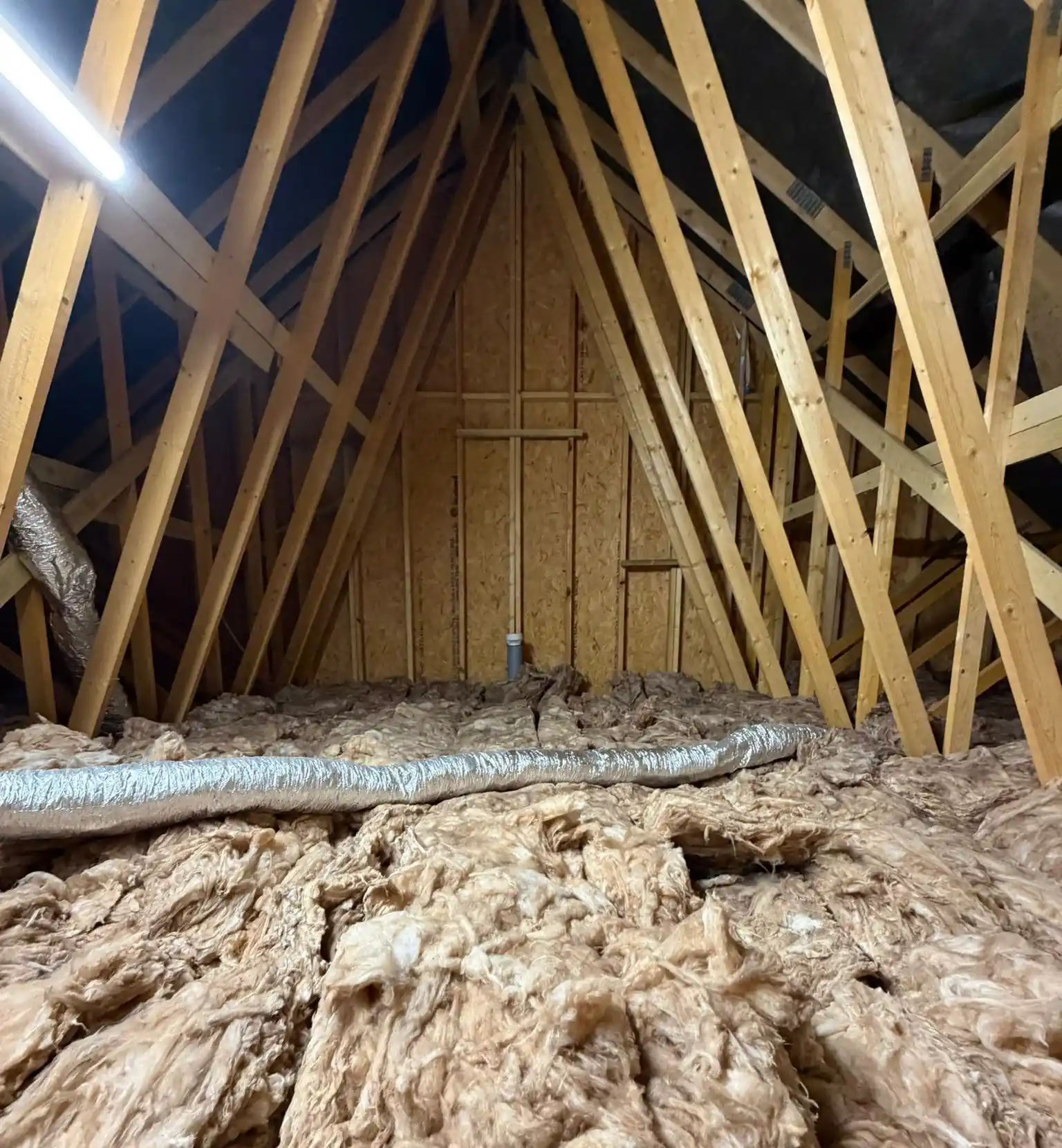
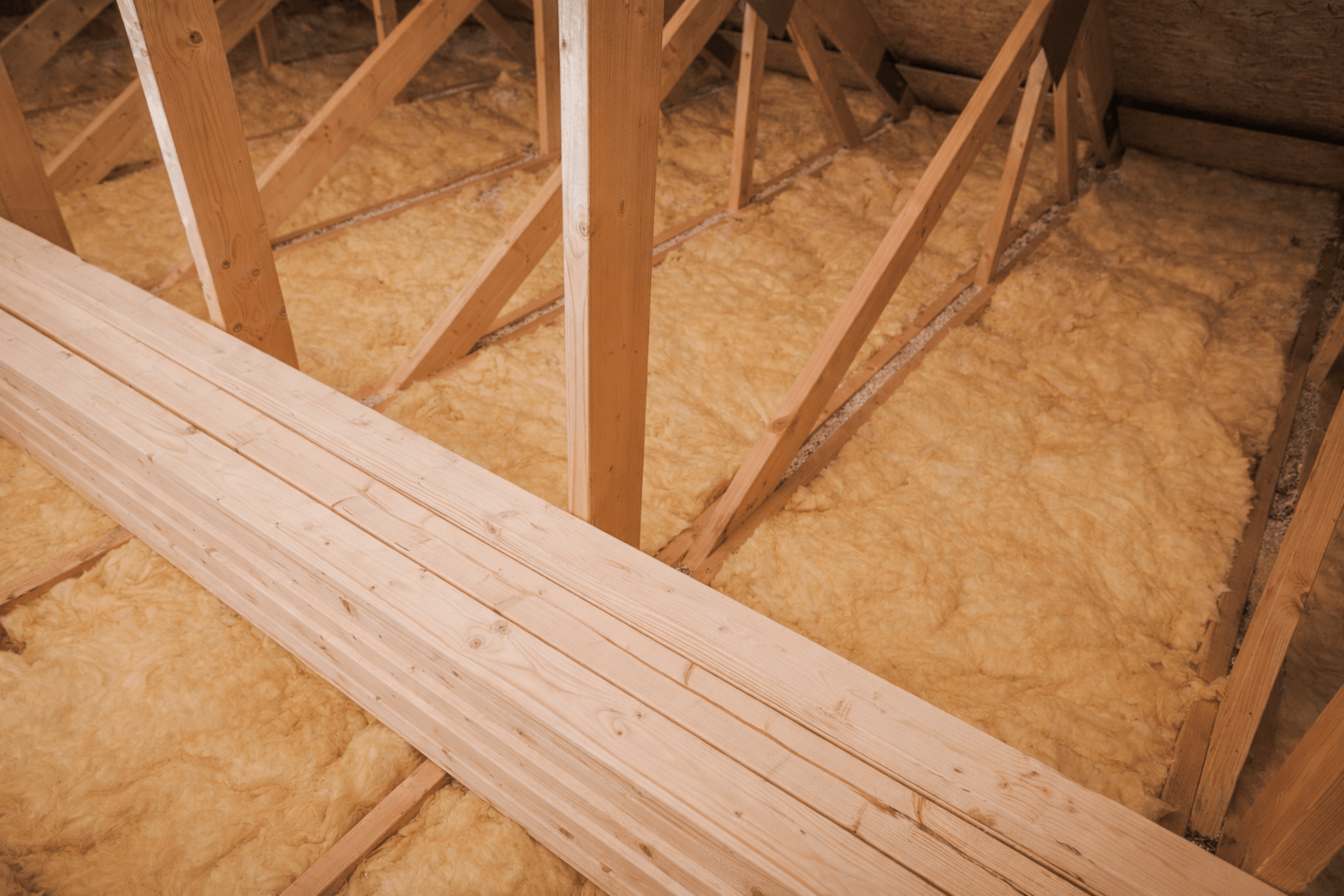
Most UK lofts have insulation fitted between the joists. Some also have extra layers above them to improve thermal performance. If you place boards directly on top, the insulation gets compressed.
This matters because insulation works by trapping air. Once you squash it, it cannot perform as well. The Energy Saving Trust explains that effective loft insulation plays a key role in reducing heat loss through the roof.
In simple terms, loft boarding straight onto joists can reduce the benefit of the insulation already in place.
It Can Reduce Your Home’s Energy Efficiency
When insulation is flattened, your home can lose heat more easily. Rooms below may feel colder, and your heating system may need to work harder. That can lead to higher energy bills.
Official UK guidance on home energy efficiency highlights insulation as one of the main ways to reduce wasted heat. You can read more on GOV.UK.
This is one of the most overlooked loft boarding issues. Many homeowners think they are improving storage, but if the boards are fitted the wrong way, they may also reduce the loft’s insulating performance.
If you are unsure how insulation and boarding can work together, this guide on loft insulation with loft boarding is a useful next step.
It May Affect Airflow And Ventilation
A cold loft needs ventilation so moisture can escape. Good airflow helps reduce the risk of condensation. If boarding is fitted badly, especially near the eaves, it can block that airflow.
That can lead to problems such as:
- Condensation: Moist air can build up in the loft.
- Dampness: Timbers and stored items may suffer.
- Mould Growth: Poor ventilation can create a damp environment.
- Reduced Roof Health: Trapped moisture can damage the roof space over time.
The NHBC Foundation offers useful guidance on roof-space considerations, structure, and safe loft use.
When Boarding Directly Onto Joists Might Be Possible
In some cases, boarding a loft straight onto joists may be acceptable. However, these cases are more limited than many people expect.
Lofts With No Insulation At Joist Level
If there is no insulation between or above the joists, direct boarding may be more straightforward. Even so, you should ask why the loft has no insulation. In many homes, adding storage without improving insulation first is a missed opportunity.
If you plan to insulate later, direct boarding can make that harder. That is why many homeowners choose a raised system from the start. You can read more about installing loft boarding over insulation here.
Very Light-Use Storage Areas Only
If you only need a small area for light, occasional storage, direct boarding may sometimes be suitable. For example, you might store empty suitcases, decorations, or light boxes in a central section, as long as the joists are sound and the insulation is not being crushed.
This is quite different from treating the whole loft as a heavy storage floor.
After Checking Joist Condition And Load Limits
Many loft joists in UK homes are ceiling joists, not floor joists. They are usually there to support the ceiling below, not to carry heavy long-term storage loads.
Before fitting boards directly onto joists, check for:
- Sagging: This can show that the joists are already under stress.
- Cracks Or Splits: Structural defects should never be ignored.
- Signs Of Age Or Moisture Damage: Rot, staining, or weakness need professional attention.
- Span And Spacing: Wider spans can reduce load capacity.
Important: If your joists look damaged, uneven, or undersized, ask a qualified professional to assess them before you board the loft. Loft boarding is for storage access, not a substitute for structural floor strengthening.
What Is The Safest Way To Board A Loft?
For most UK properties, a raised loft boarding system is the safest and most practical choice.
Raised Loft Boarding Systems Explained
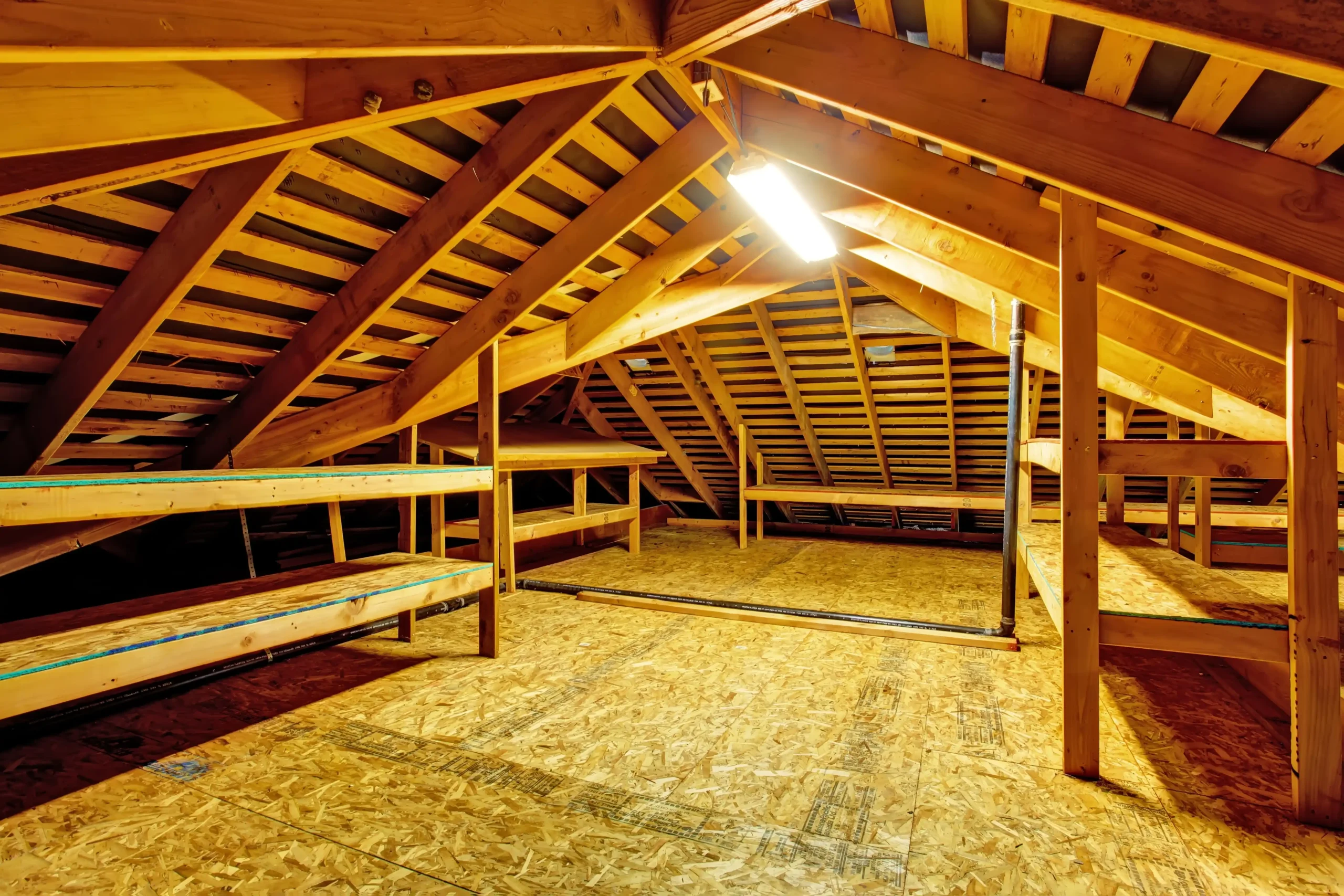
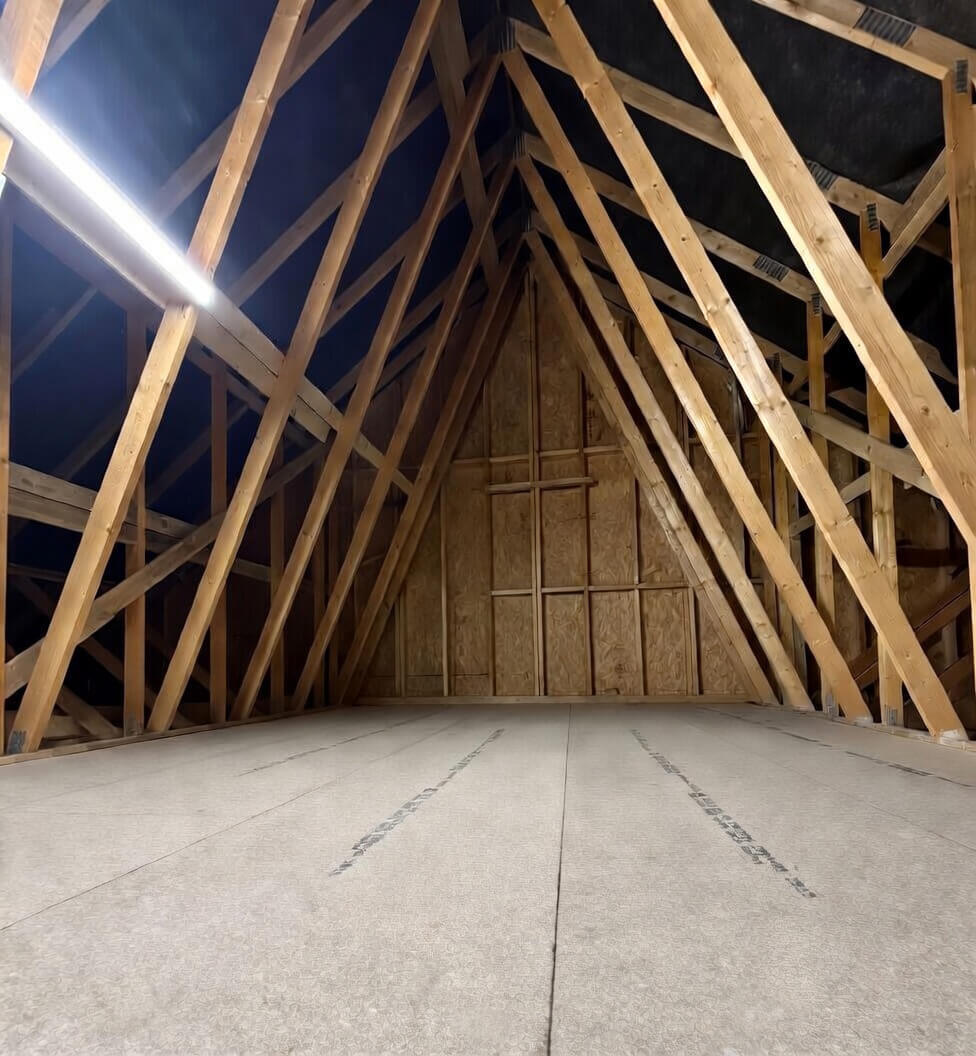
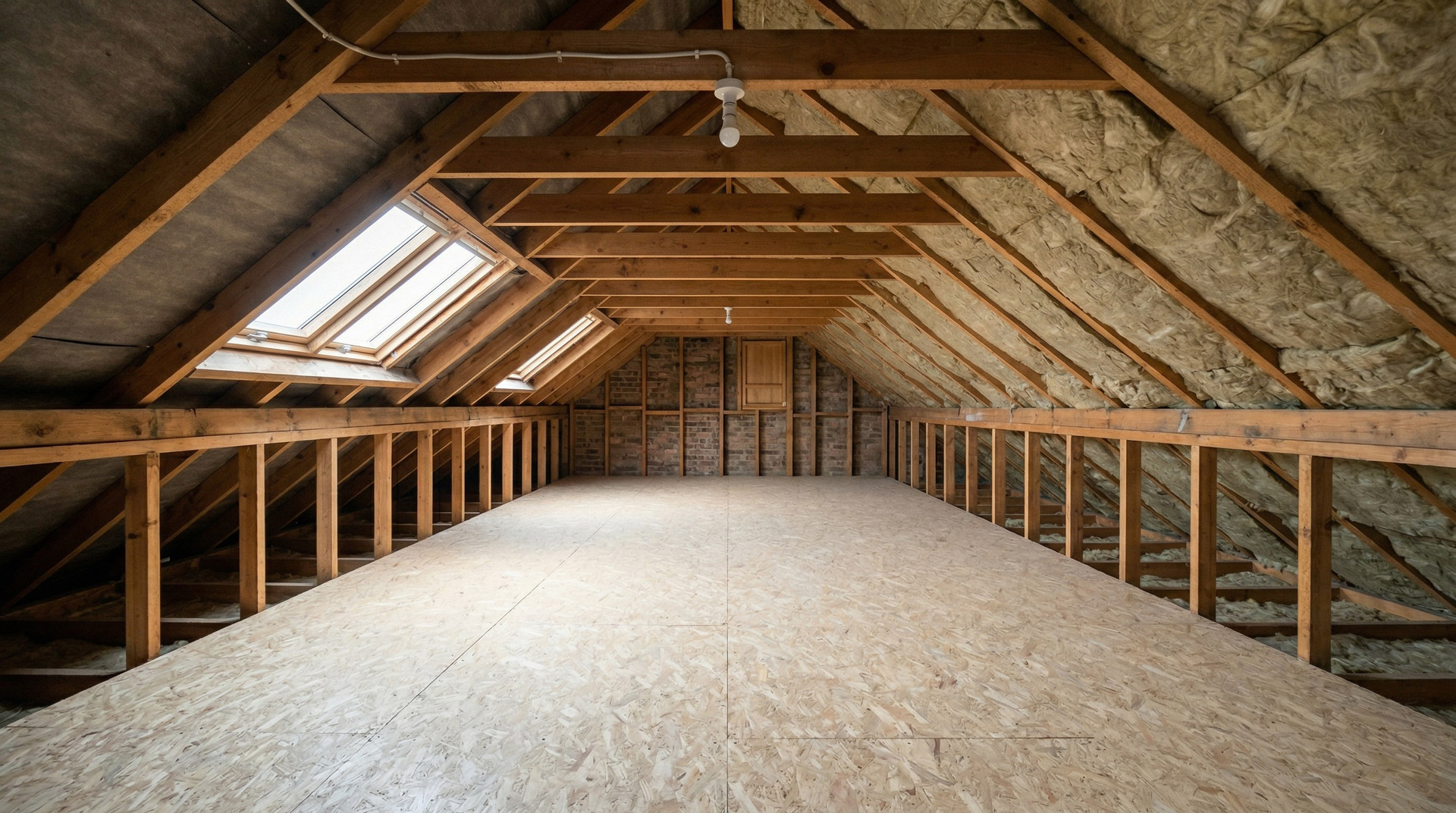
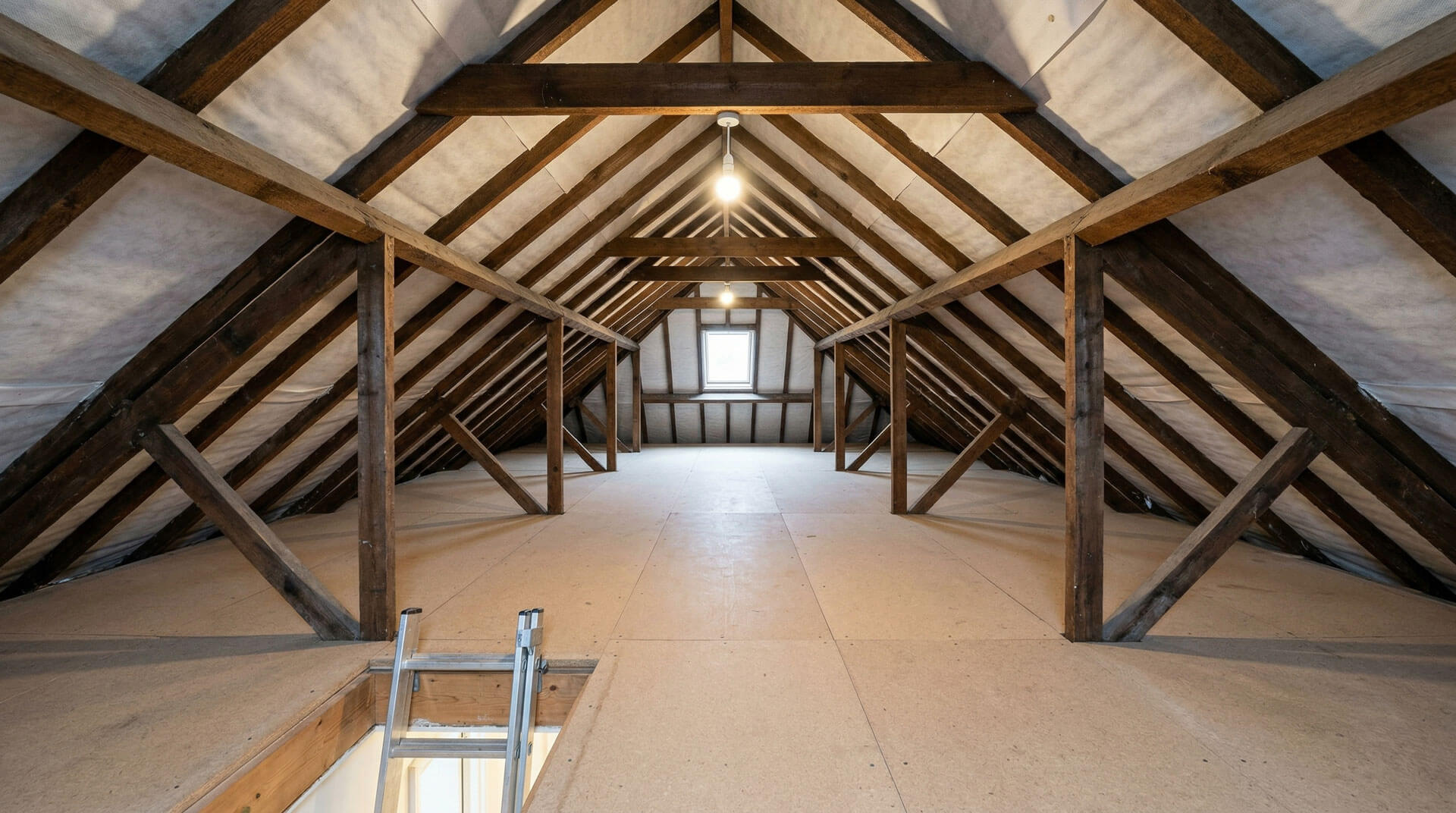
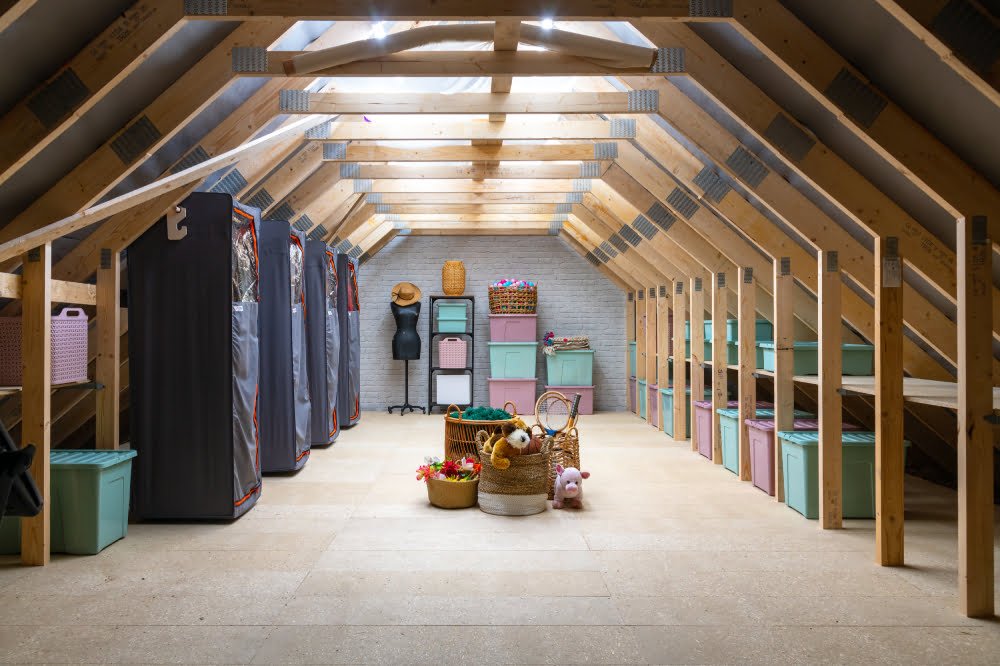
A raised system uses supports fixed above the joists, so the boards sit higher than the insulation layer. This creates a stable storage platform without pressing down on the insulation below.
These systems are popular because they balance three key goals:
- Storage: You gain usable loft space.
- Insulation Protection: The insulation keeps its full depth.
- Access: The loft becomes easier and safer to use.
If you are comparing options, Primeway’s loft boarding packages can help you understand what a complete solution may include.
How Raised Systems Protect Insulation Depth
Current best practice in many UK lofts is to keep a good depth of insulation rather than flatten it to fit boards. Raised systems do this by lifting the deck above the joist line.
That means:
- Thermal Performance Is Preserved: Insulation can work properly.
- Heat Loss Is Reduced: Rooms below can stay warmer.
- The Loft Is More Future-Proof: You are less likely to need the work redone later.
For homeowners who want practical loft storage without harming energy efficiency, this is usually the best option.
How Much Weight Can Loft Joists And Boarding Hold?
There is no single weight limit for every loft. Load capacity depends on joist size, spacing, span, timber condition, and how the weight is spread. It also depends on whether you are storing a few light items or loading the loft with heavier boxes.
Do not assume that because you can walk on loft boards, the area is suitable for heavy storage. Walking loads are temporary. Stacked belongings create a constant load over time.
Take extra care with items such as:
- Books: They are surprisingly heavy when boxed.
- Tools: Dense loads add up quickly.
- Furniture: This is often unsuitable for a standard loft storage area.
- Files Or Archive Boxes: These are common, but often heavier than expected.
For a closer look at storage capacity, see how much weight loft boarding can hold.
Speak to a loft specialist
Rather just talk it through?
Speak to the Primeway team about your loft and get honest, no-pressure advice on the right approach for your home.
Call 0800 145 5226Common Mistakes To Avoid When Boarding A Loft
Many loft boarding problems happen because people treat the job as a simple DIY task. In reality, it needs to work with the loft’s structure, insulation, and ventilation.
Using Chipboard Without Support Planning
Chipboard loft panels are common and can work well when properly supported. Problems start when boards are laid without thinking about joist spacing, board thickness, fixings, or access routes.
Poor support planning can lead to:
- Bouncy Or Uneven Boards: These are not ideal for safe access.
- Board Damage: Weak points may crack or fail.
- Unsafe Loading: Weight may not be spread properly.
Blocking Eaves Ventilation
It is easy to focus on creating as much storage space as possible and forget that the loft still needs to breathe. Avoid pushing insulation or boards tightly into the eaves if that blocks ventilation routes.
Good loft boarding should work around airflow requirements, not against them.
Assuming A Loft Is Suitable For Heavy Storage
This is one of the most common mistakes. Standard loft boarding is usually meant for light to moderate domestic storage, not for turning the loft into a heavy-duty storage room.
There is also an important difference between:
- Loft Boarding For Storage: This creates access and usable storage space.
- A Habitable Floor: This needs a different structural standard for living use.
People often miss this distinction, but it matters for both safety and compliance.
Do You Need Building Regulations Or Planning Permission?
Simple loft boarding for storage does not usually need planning permission. However, the wider project may still involve building regulation considerations, especially if you change the structure, insulation, access, electrics, or turn the loft into a habitable room.
Planning permission and building regulations are not the same. Storage boarding is one thing, while a loft conversion is another.
If you are unsure where your project fits, read this guide to loft boarding and planning permission.
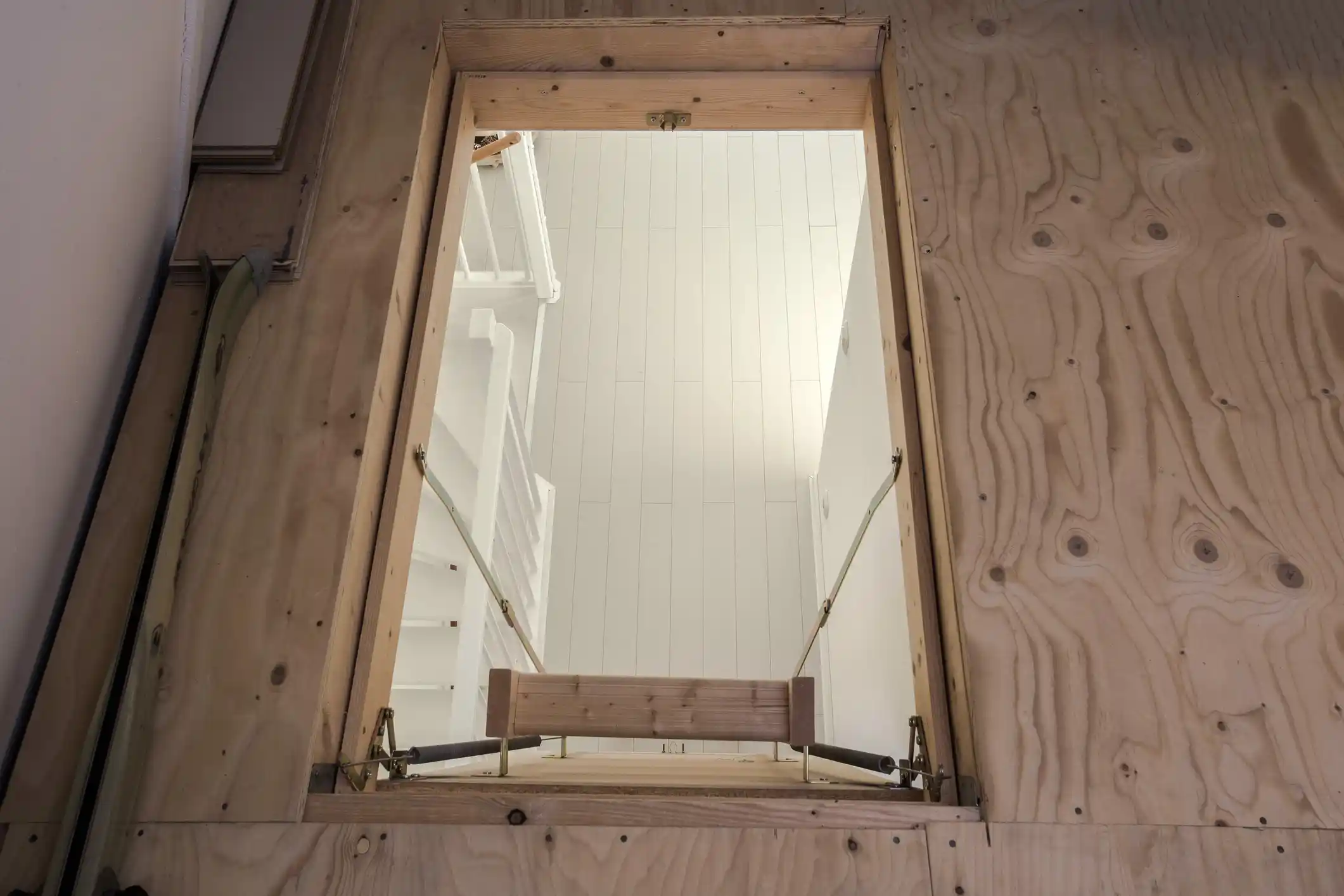
If you are also improving access, loft ladders can often be installed alongside loft boarding. In many cases, boarding can also be combined with ladders and lighting for a more practical setup.
Should You DIY Or Hire A Professional?
DIY loft boarding may seem manageable, especially in a small area. However, the risks are often hidden. You need to think about insulation depth, airflow, safe movement, fixing points, and whether the joists are suitable at all.
DIY may be reasonable if:
- The Area Is Small: You only need limited light storage.
- The Joists Are Clearly Sound: There are no signs of sagging or damage.
- You Understand Insulation And Ventilation Requirements: The work will not compromise the loft.
Hiring a professional is usually the better option if:
- You Want To Board Over Insulation: Raised systems are best fitted correctly from the start.
- You Need A Larger Storage Area: Layout and load planning become more important.
- The Loft Has Awkward Access Or Older Timbers: Experience matters.
- You Want A Cleaner, Safer Finish: Professional installation can help avoid costly mistakes.
If you want advice based on your own loft layout, Primeway can help you decide whether direct boarding, partial boarding, or a raised system is the right fit.
The Best Option For Most UK Lofts
For most UK homes, boarding a loft straight onto joists is not the best solution. If insulation is present at joist level, direct boarding usually compresses it, reduces energy efficiency, and may interfere with ventilation. It can also lead people to overload ceiling joists that were never designed for heavy storage.
A raised loft boarding system is usually the safer and smarter choice. It protects insulation depth and creates a more practical storage platform. It also suits modern expectations around energy efficiency and safe loft use.
Fun Fact: Loft Boards Can Increase Heat Loss
If you install loft boards the wrong way, your home can become less energy efficient. When insulation gets squashed beneath boards fixed straight onto joists, it loses some of its ability to trap heat. A storage upgrade can therefore increase heat loss instead of reducing it.
If you want extra loft storage without compromising insulation, ventilation, or safety, a properly planned solution is worth it. Explore Primeway’s loft services to see how your loft could be boarded more effectively for long-term use.
Thinking about your loft?
Book a free loft survey and we will talk you through the options that suit your home and budget.