Loft boarding is the process of fitting raised boards above your loft joists to create a safe, usable storage platform without compressing insulation. It helps homeowners make better use of loft space, protect energy efficiency and improve access. However, the right system depends on your loft’s structure, ventilation and storage needs.
If you have ever looked up at your loft and wondered whether it could become practical storage space, loft boarding is often the answer. When done properly, it can turn an awkward, dusty area into a tidy and accessible part of your home. Just as importantly, it should be installed in a way that protects insulation and allows the loft to breathe.
In this guide, we explain what loft boarding is, how it works, what it is used for and when professional advice can make all the difference.
What Is Loft Boarding?
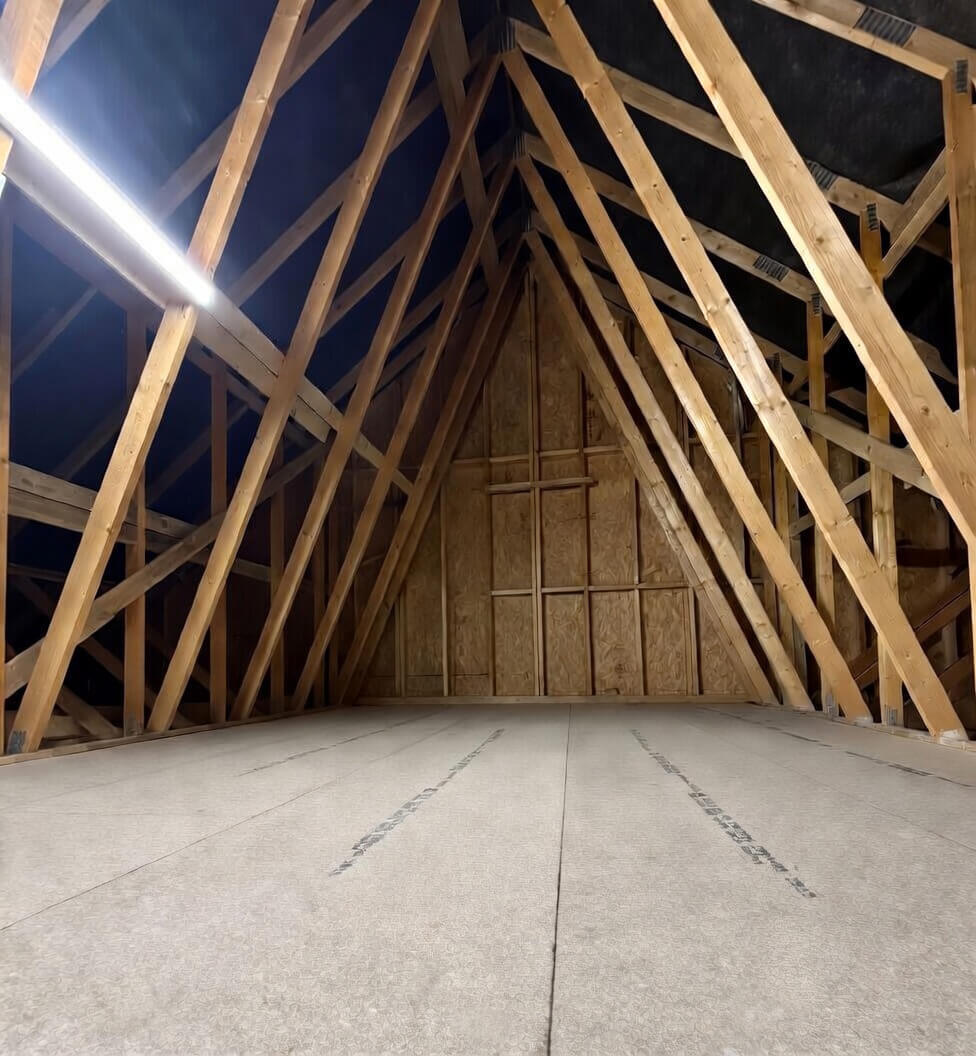
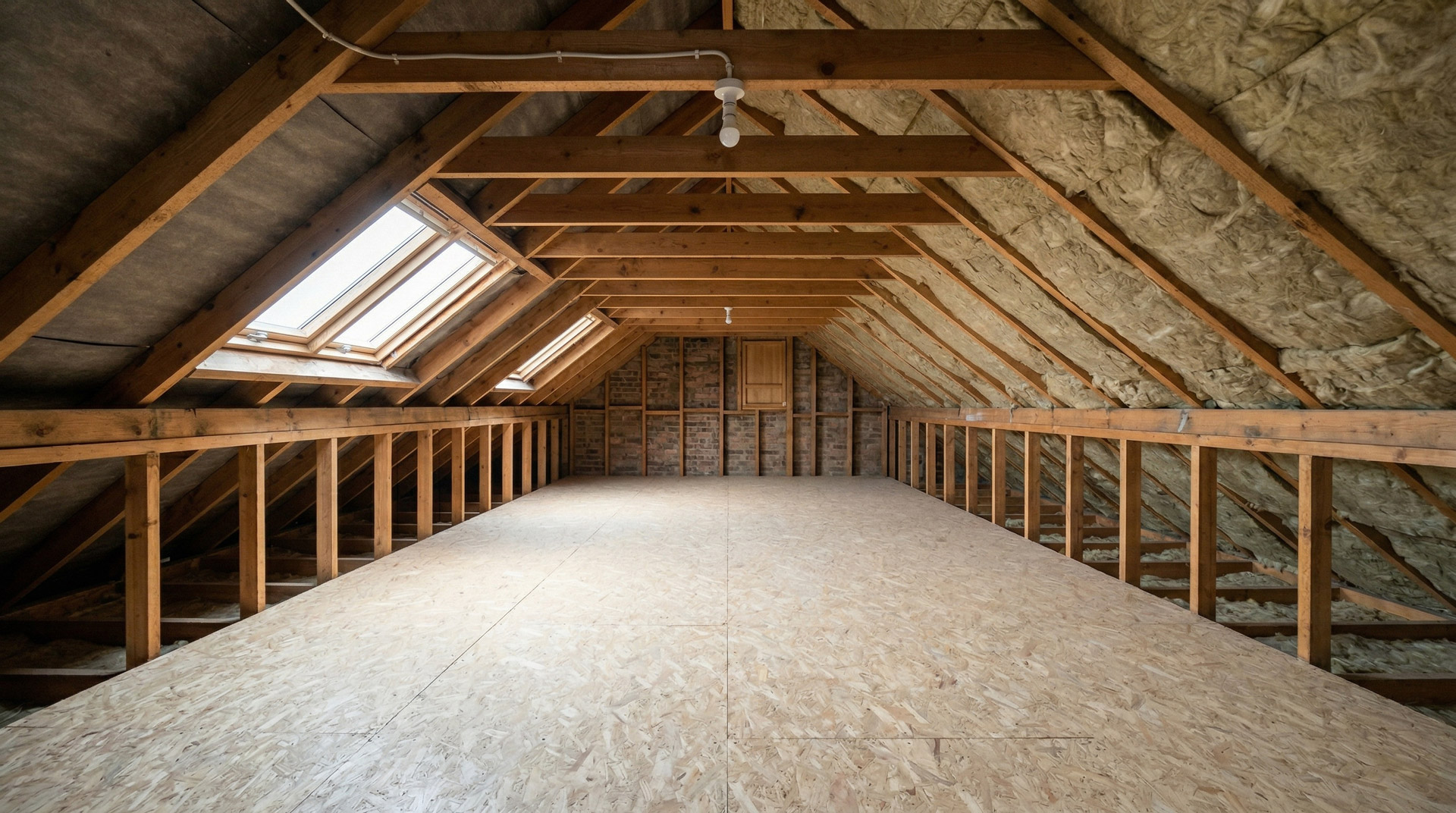
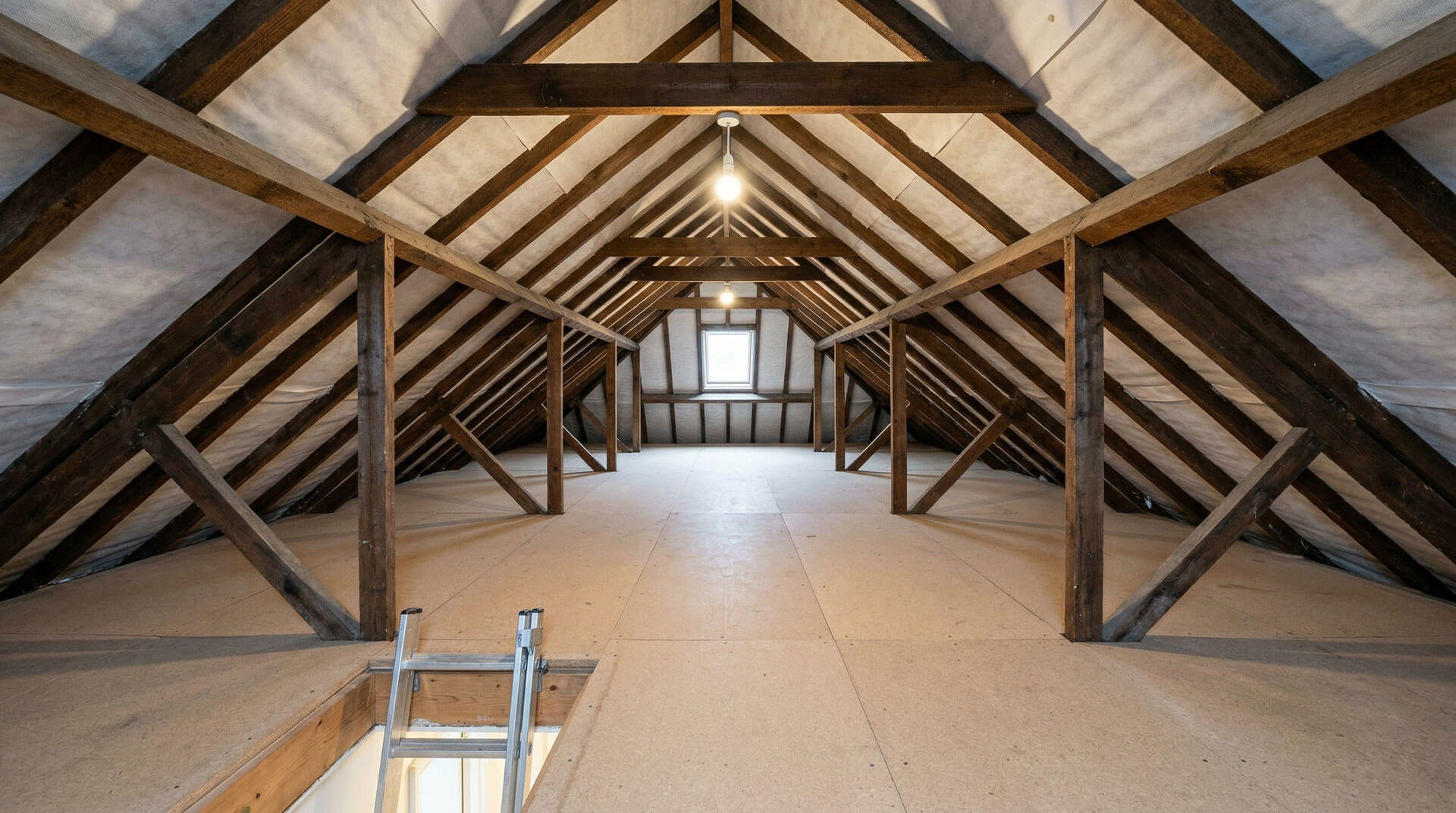
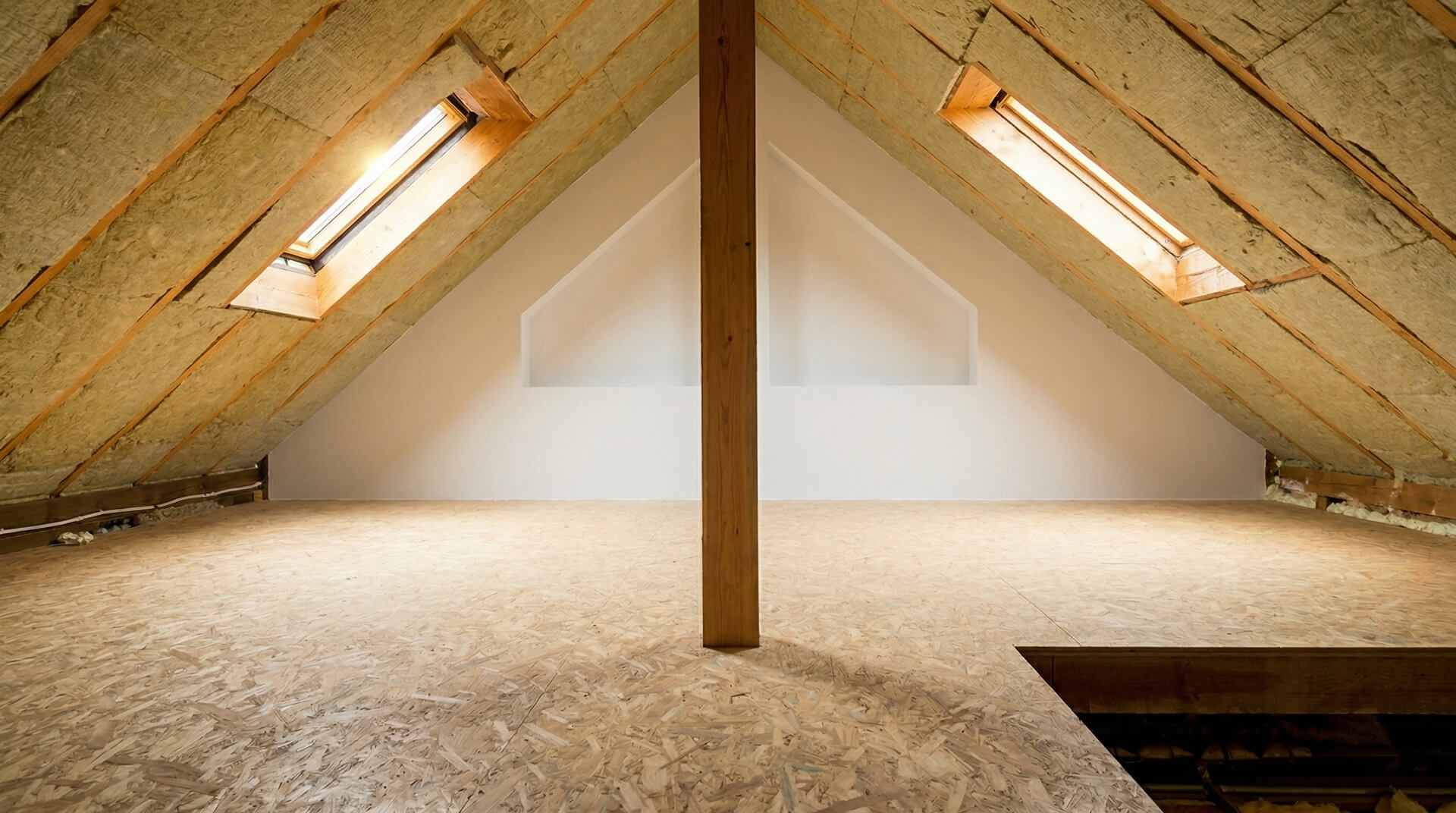
Loft boarding means installing strong boards across a loft to create a stable platform for storage and access. In many modern homes, the best option is raised loft boarding. This places the boards above the insulation instead of directly on top of it.
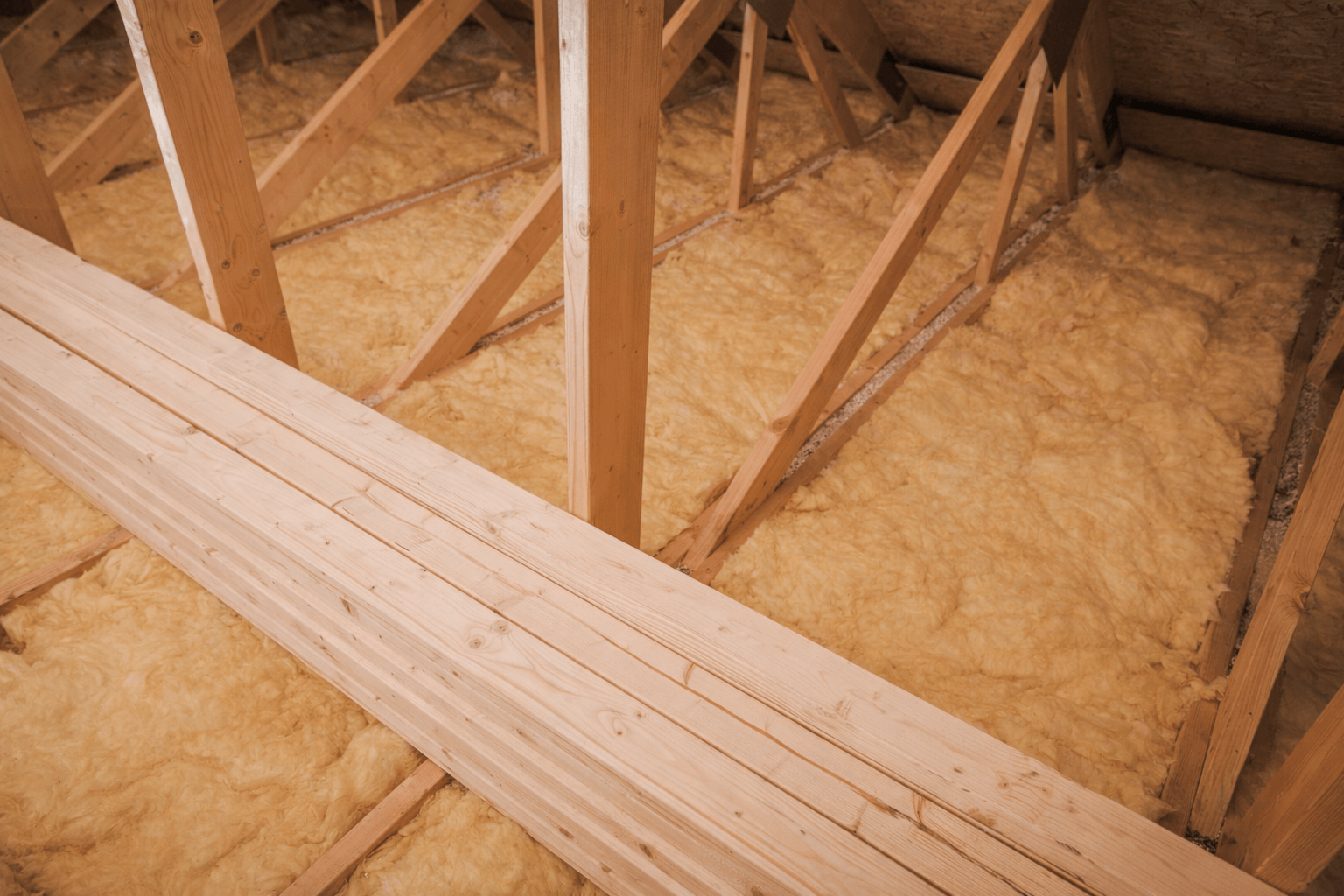
This matters because loft insulation needs to stay thick and fluffy to work properly. If boards squash it down, its thermal performance can drop. Organisations such as the Energy Saving Trust and GOV.UK both highlight the importance of effective insulation for improving a home’s energy efficiency.
In simple terms, loft boarding is usually designed for safe loft storage, not for turning the loft into a bedroom, office or other habitable room. That would normally count as a loft conversion, which involves a very different level of structural work and compliance.
How Loft Boarding Works
A loft boarding system creates a platform above the ceiling joists. Installers assess the loft space, insulation depth and access first. They then fit a support system and boards to create a practical storage area.
Boards, Joists And Raised Loft Legs Explained
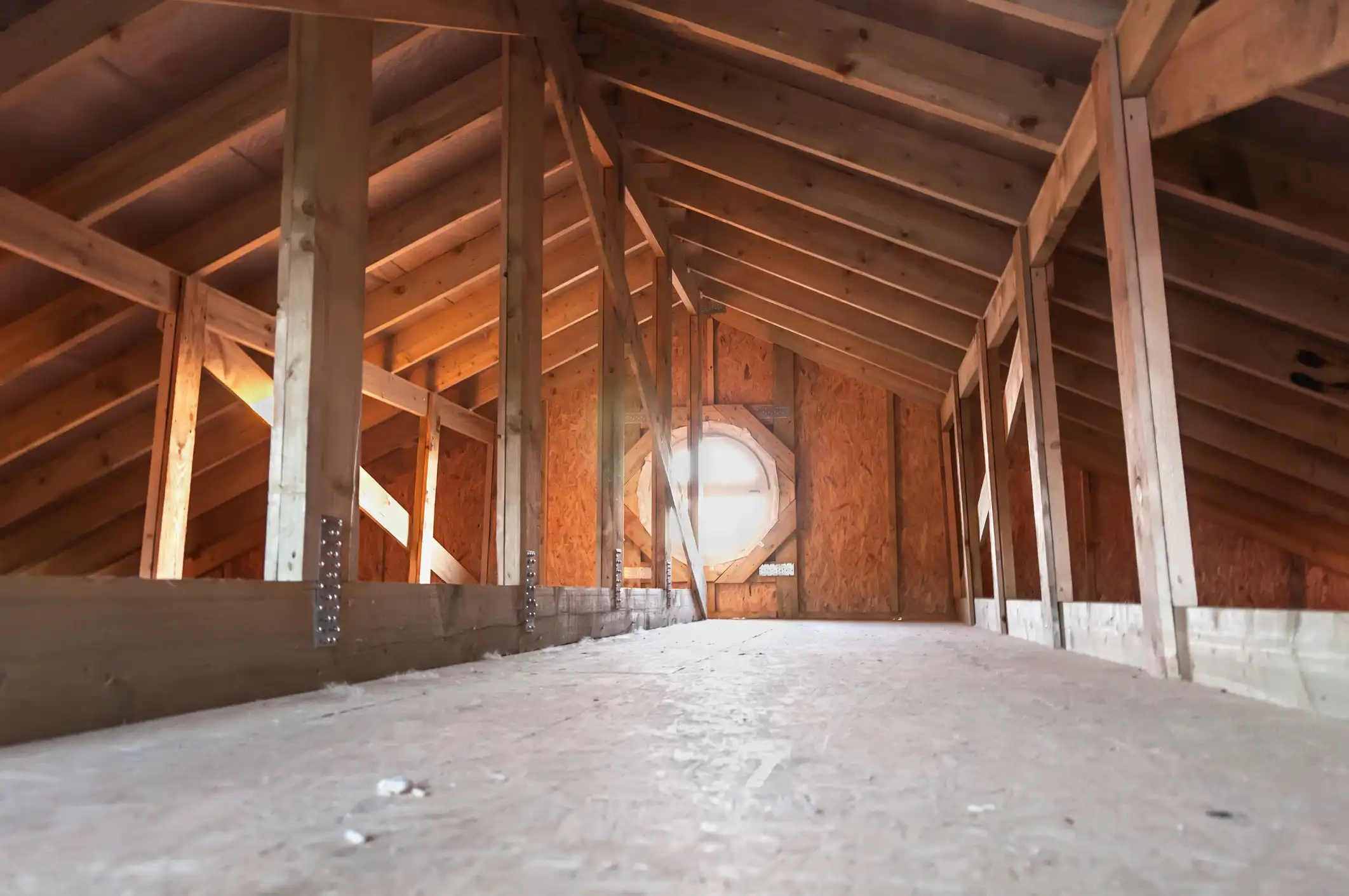
Your loft joists are the horizontal timbers that support the ceiling below. Standard loft boards are fixed across these joists, but in many homes the insulation is deeper than the joists themselves. That is where a raised system helps.
Raised loft boarding usually uses supports or loft legs to lift the boards above the insulation. This creates a raised loft floor and allows the insulation to stay at the correct depth underneath.
- Loft Joists: These form the structural base across the loft floor area.
- Raised Supports Or Loft Legs: These lift the boarding above the insulation layer.
- Loft Boards: These create the surface used for walking access and storage.
Why Loft Boarding Is Usually Raised Above Insulation
Boarding directly onto joists can flatten insulation. That may reduce its effectiveness and make your home less energy efficient. Raised systems help avoid this problem while still giving you useful storage space.
They also support a more careful installation that takes loft ventilation into account. A well-designed boarded loft should not block the airflow needed to reduce the risk of damp or condensation.
What Is Loft Boarding Used For?
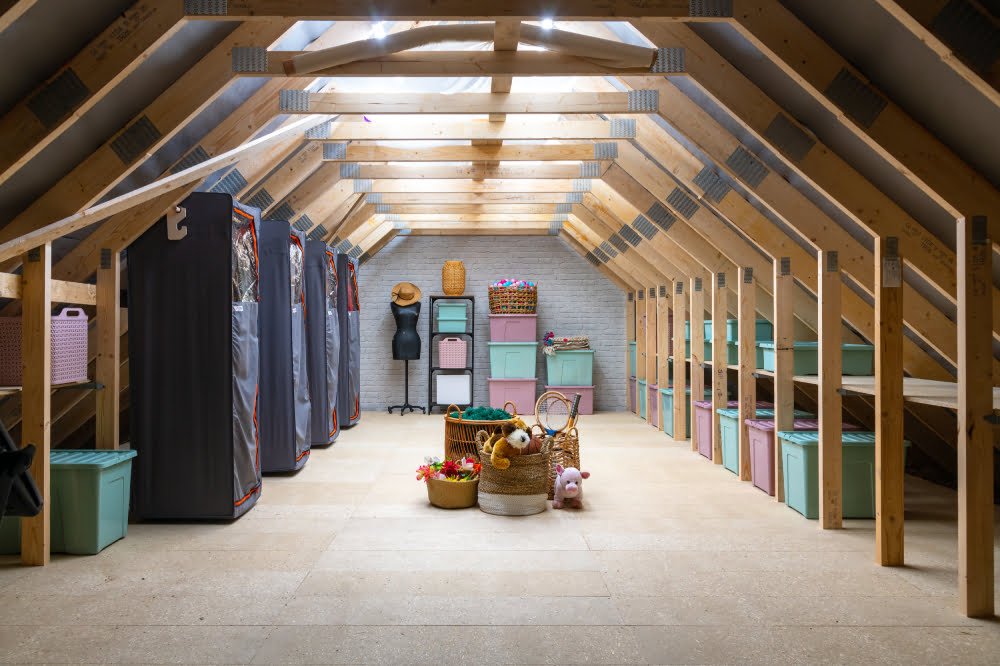
The main purpose of loft boarding is to create clean, secure and accessible storage space in an area that is often underused.
Creating Practical Loft Storage
Loft storage boarding is ideal for items that are light to moderately heavy and not needed every day. It can free up wardrobes, spare rooms and cupboards elsewhere in the house.
- Seasonal Decorations: These can be stored out of the way until needed.
- Suitcases: These often take up valuable space in bedrooms or cupboards.
- Archived Paperwork: This can be kept organised in sealed containers.
- Clothing And Bedding: These can be stored neatly if they are properly protected.
Improving Access And Usability
Loft boarding also makes the space easier and safer to use. Without boards, moving around a loft can be awkward and risky, especially if you are trying to avoid stepping between joists.
Many homeowners combine boarding with upgrades such as a loft ladder, a larger loft hatch or better loft lighting. Together, these improvements can make a big difference to everyday convenience.
Benefits Of Loft Boarding
Loft boarding offers more than extra storage. When it is designed and installed properly, it can improve how your home works day to day.
More Storage Space
One of the biggest benefits is reclaiming space you already have. Instead of paying for external storage or overcrowding other rooms, you can use the loft more efficiently.
If you want to explore the options, loft boarding packages can help you understand what may be possible in different property types.
Protecting Insulation Performance
Raised boarding helps protect loft insulation by avoiding compression. According to the Energy Saving Trust, effective insulation plays an important role in reducing heat loss from the home.
This is one reason why modern loft insulation and boarding should be planned together, not treated as separate jobs. Good insulation can also help maintain a warmer home, as wider household guidance from the NHS explains.
A Tidier, Safer Loft Area
A boarded loft creates a more organised area with clearer walking routes and designated storage zones. This can reduce the risk of accidental damage to insulation, cables or the ceiling areas between joists.
Adding shelving can make the loft even more practical by keeping boxes and smaller items easy to find.
Can Any Loft Be Boarded?
Not every loft is suitable for boarding in exactly the same way. The best solution depends on the loft’s structure, the depth of insulation and whether there is enough ventilation.
Checks For Structure, Insulation Depth And Ventilation
Before installation, a proper assessment should consider:
- Joist Condition And Layout: These need to suit the intended storage use.
- Insulation Depth: This affects whether a raised system is needed.
- Ventilation Paths: These must stay clear to help prevent condensation.
- Access: The existing hatch, ladder and headroom may need improvement.
For broader professional context on building condition and suitability, the Royal Institution of Chartered Surveyors is a useful reference point.
Storage Loft Boarding Versus A Loft Conversion
This is an important distinction. Loft boarding is for storage and access. A loft conversion is for creating habitable living space, such as a bedroom or office.
A storage loft is not designed to work as a new room. If you want regular occupation, heating, windows, stairs and structural changes, you are looking at a loft conversion rather than standard boarding.
Speak to a loft specialist
Rather just talk it through?
Speak to the Primeway team about your loft and get honest, no-pressure advice on the right approach for your home.
Call 0800 145 5226Is Loft Boarding Safe?
Loft boarding can be safe when it is planned well, fitted correctly and used for suitable storage. Problems usually arise when people overload the area or install boards without thinking about insulation, access or structural limits.
Weight Limits And What Not To Store
Most boarded lofts are intended for general household storage, not very heavy loads. Practical guidance from organisations such as NHBC can help homeowners understand that loft spaces should be used sensibly.
- Avoid Very Heavy Furniture: Large solid items can place too much load on the structure.
- Be Careful With Books And Paper Files: These can become surprisingly heavy in bulk.
- Use Evenly Distributed Storage: Spreading weight is better than concentrating it in one spot.
- Store Items In Suitable Boxes: This helps keep the area stable, tidy and easier to manage.
Why Professional Installation Can Help
Professional installation can reduce the risk of common mistakes, such as crushing insulation, blocking ventilation or boarding unsuitable areas. It can also provide a neater finish and a more practical layout for how you want to use the space.
If you are unsure what your loft can safely support, it makes sense to seek expert advice through a professional assessment.
Loft Boarding And Insulation: What Homeowners Should Know
Insulation is one of the most important parts of any loft boarding project. A loft should provide storage without undermining the home’s energy efficiency.
Avoiding Compressed Insulation
When insulation is squashed under boards, it traps less air and becomes less effective. That is why raised systems are usually recommended in UK homes with modern insulation depths.
If your loft insulation needs attention before boarding, it may be worth looking at insulation services first so both elements work together.
Maintaining Airflow And Reducing Condensation Risk
Good loft ventilation helps moisture escape and supports a healthy roof space. Blocking airflow can increase the risk of condensation, which may lead to damp issues over time.
A thoughtful installation should leave ventilation routes clear and avoid creating trapped pockets of cold air. This is another reason why a one-size-fits-all DIY approach does not always work well.
What Is Included In A Loft Boarding Installation?
A loft boarding installation can be simple or more complete, depending on what you need. Some homeowners only want a storage deck. Others want the loft to become much easier to access and use.
Boarding, Access, Lighting And Shelving Options
A full package may include:
- Raised Loft Boarding: A storage platform fitted above insulation.
- Loft Hatch Upgrades: Improved access with better sizing and finishing.
- Loft Ladder Installation: Easier and safer entry to the loft.
- Lighting: Better visibility for everyday use.
- Shelving: More organised storage around the edges of the loft.
You can explore broader loft services or additional loft extras depending on how functional you want the space to be.
Is Loft Boarding Worth It?
For many homeowners, yes. Loft boarding is often worth it because it unlocks useful storage space without extending the property or sacrificing room downstairs. It can also help keep the home more organised and, when done correctly, protect insulation performance rather than compromise it.
The real value comes from choosing the right system for your loft. A professionally planned raised solution can give you practical storage while respecting the limits of the structure, insulation and ventilation.
If you are considering a boarded loft, Primeway Home Solutions Ltd can help you understand the options and recommend a setup that suits your home.
Frequently Asked Questions About Loft Boarding
Can I Board Directly Over Loft Insulation?
Usually, it is better not to. Boarding directly over insulation can compress it and reduce its effectiveness. Raised loft boarding is normally the better option.
Is A Boarded Loft The Same As A Loft Conversion?
No. A boarded loft is mainly for storage and access. A loft conversion creates habitable living space and involves more extensive structural and regulatory work.
Can I Walk On Loft Boards Safely?
Yes, if the system has been properly installed for storage use and you use it sensibly. You should still avoid overloading the space and stick to the designated boarded areas.
Do I Need A New Loft Hatch Or Ladder?
Not always, but many homeowners choose to upgrade both. Better access often makes loft boarding much more practical and safer to use.
Will Loft Boarding Help Me Save Space In The House?
Yes. It can free up valuable space in bedrooms, cupboards and spare rooms by moving suitable items into organised loft storage.
Fun Fact: Your Loft Can Add Storage Without Stealing Floor Space
A well-boarded loft can turn one of the most underused parts of a home into practical storage space without taking up a single square metre of floor area downstairs.
Loft boarding is a smart way to make better use of your home, but it works best when it is planned around structure, insulation and ventilation. A raised system can give you safe, accessible storage while helping to protect energy efficiency.
If you want expert guidance on the right loft storage solution for your property, speak to Primeway Home Solutions Ltd about tailored boarding, access and loft upgrade options.
Thinking about your loft?
Book a free loft survey and we will talk you through the options that suit your home and budget.