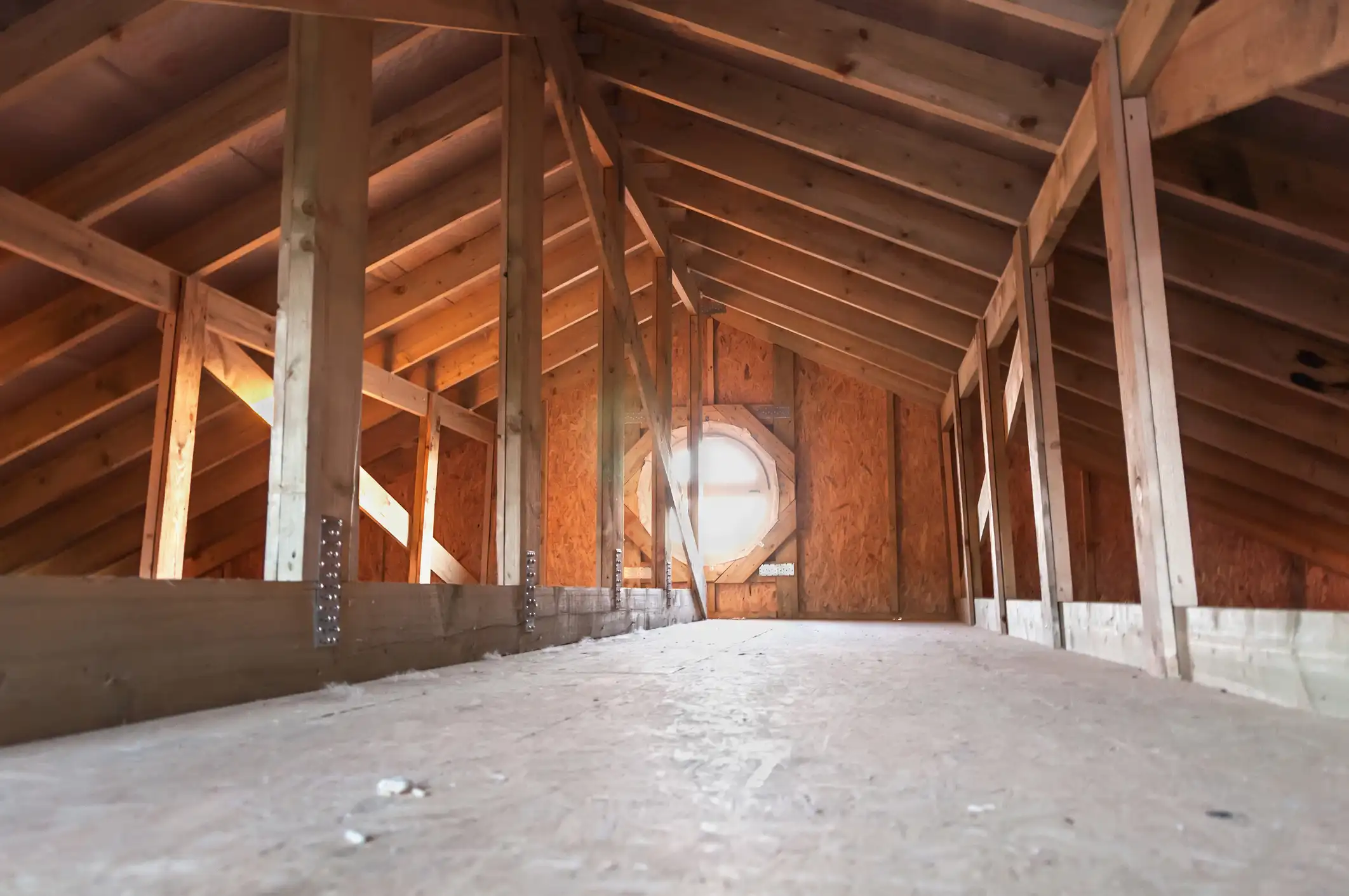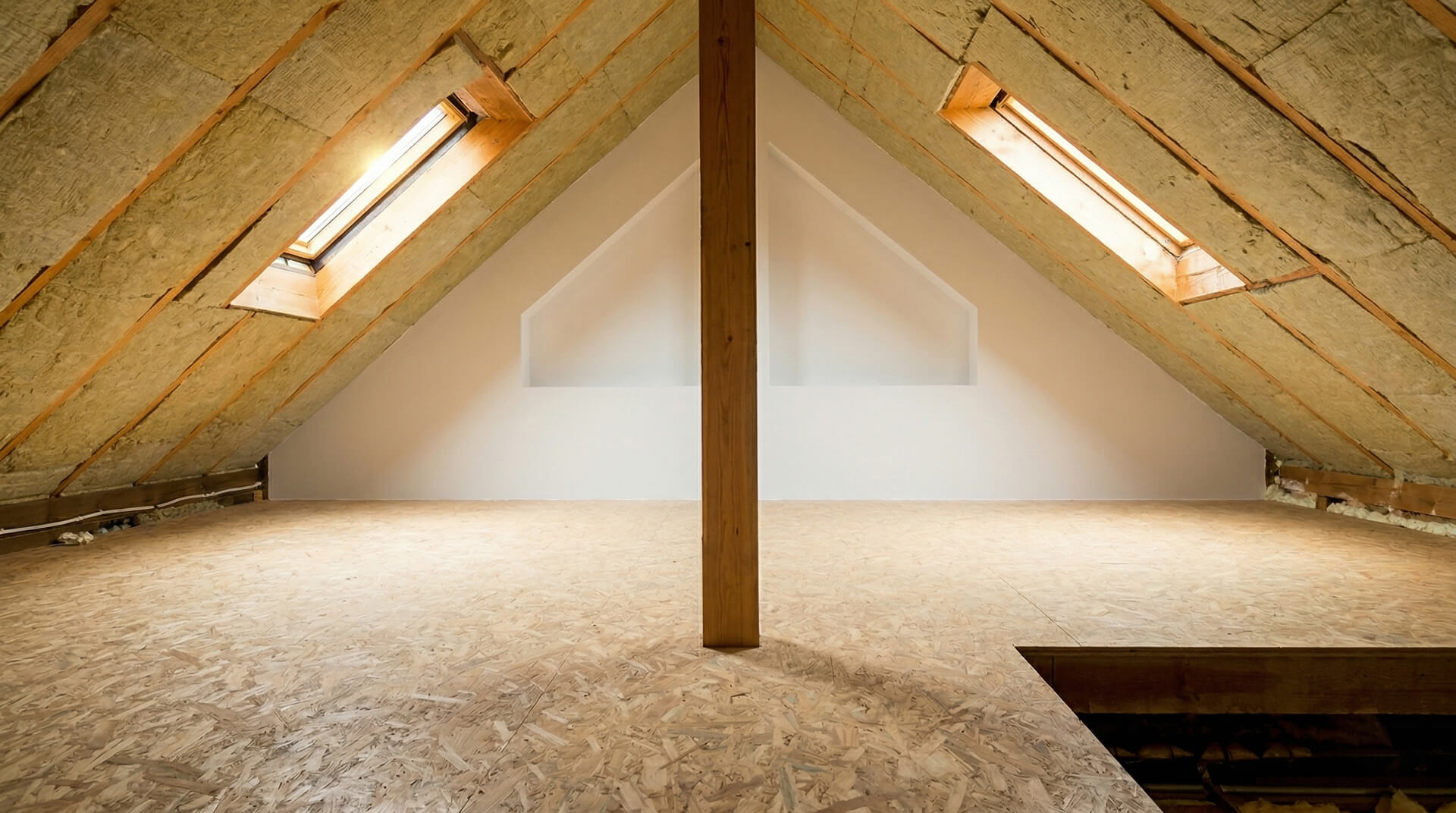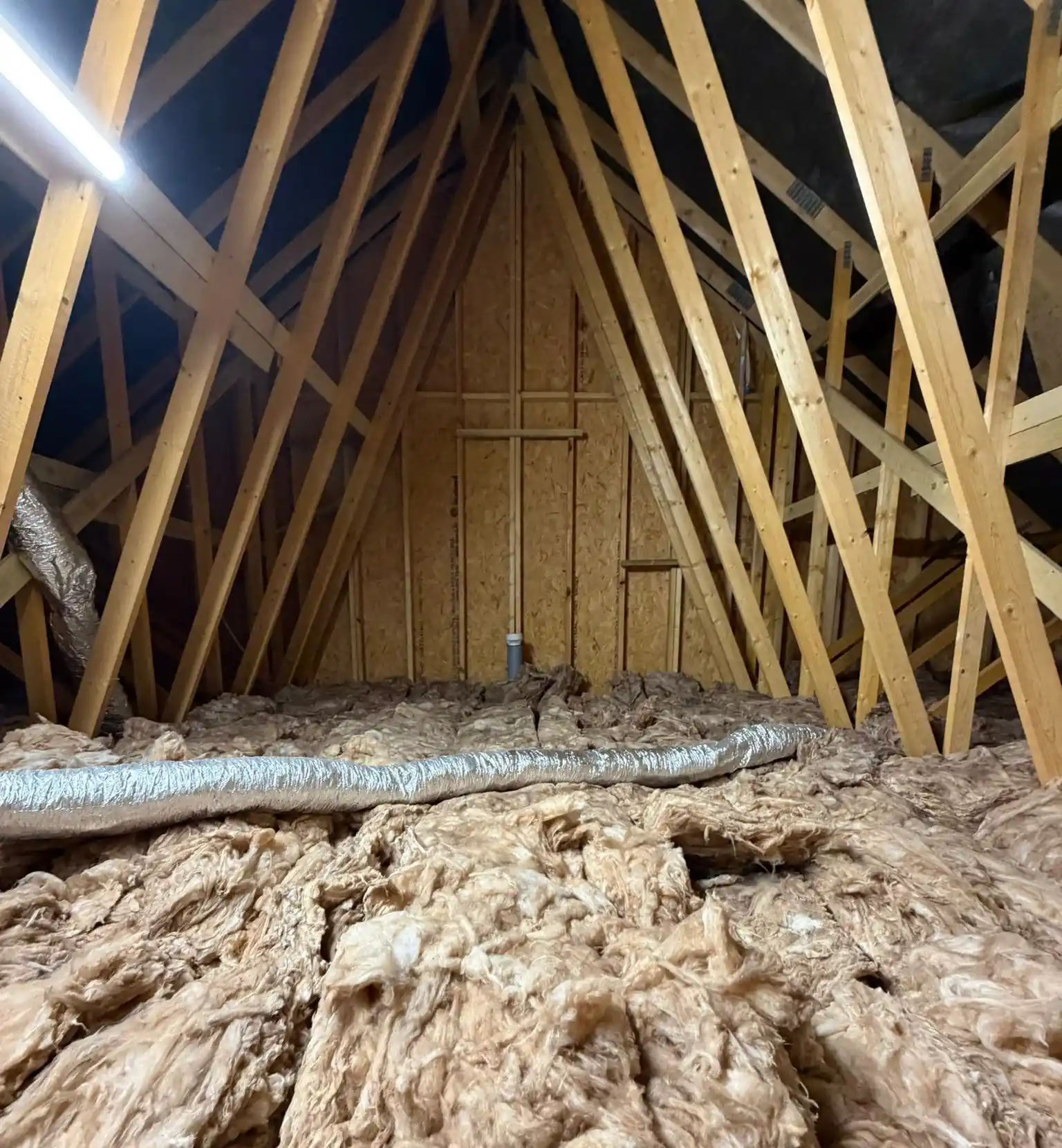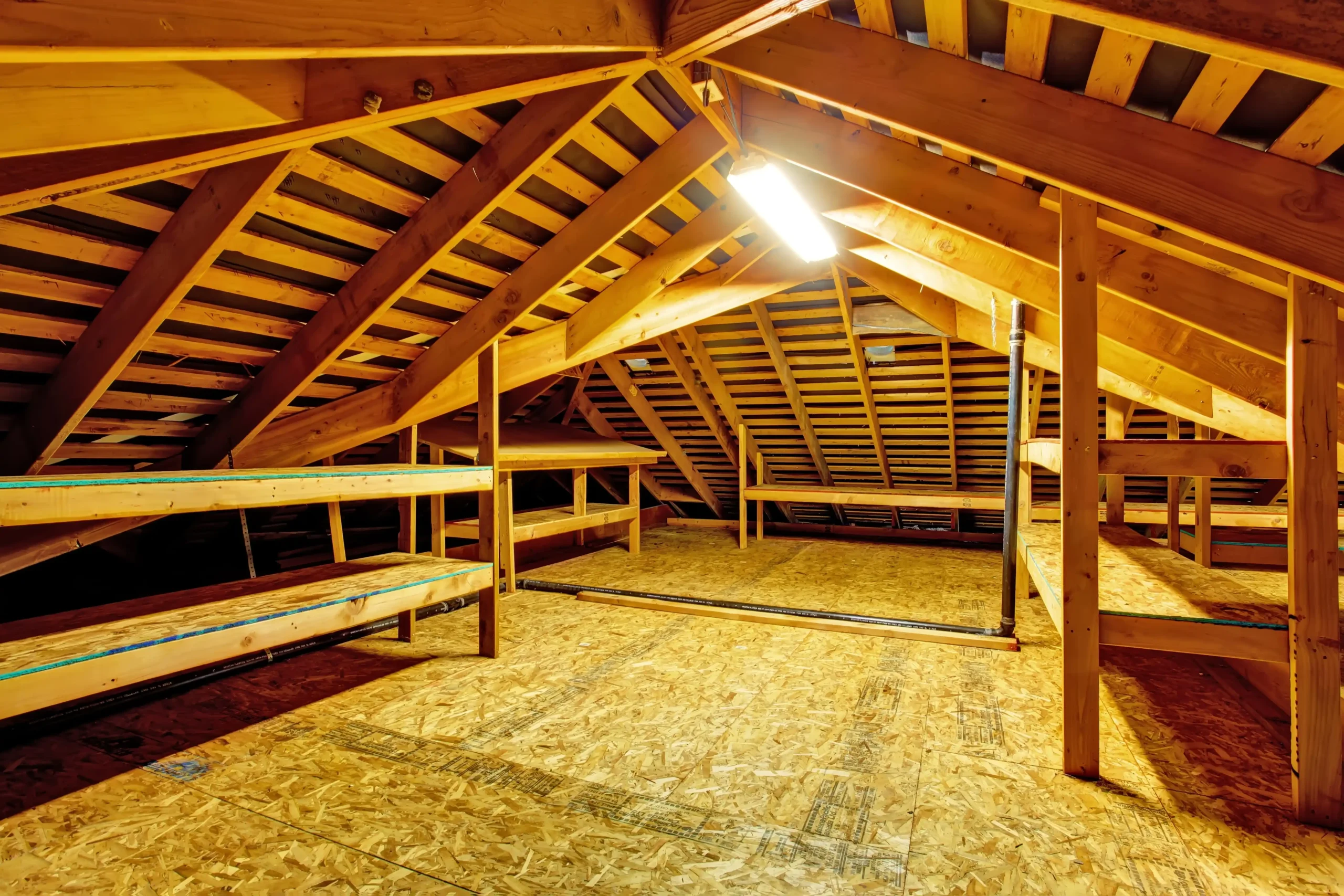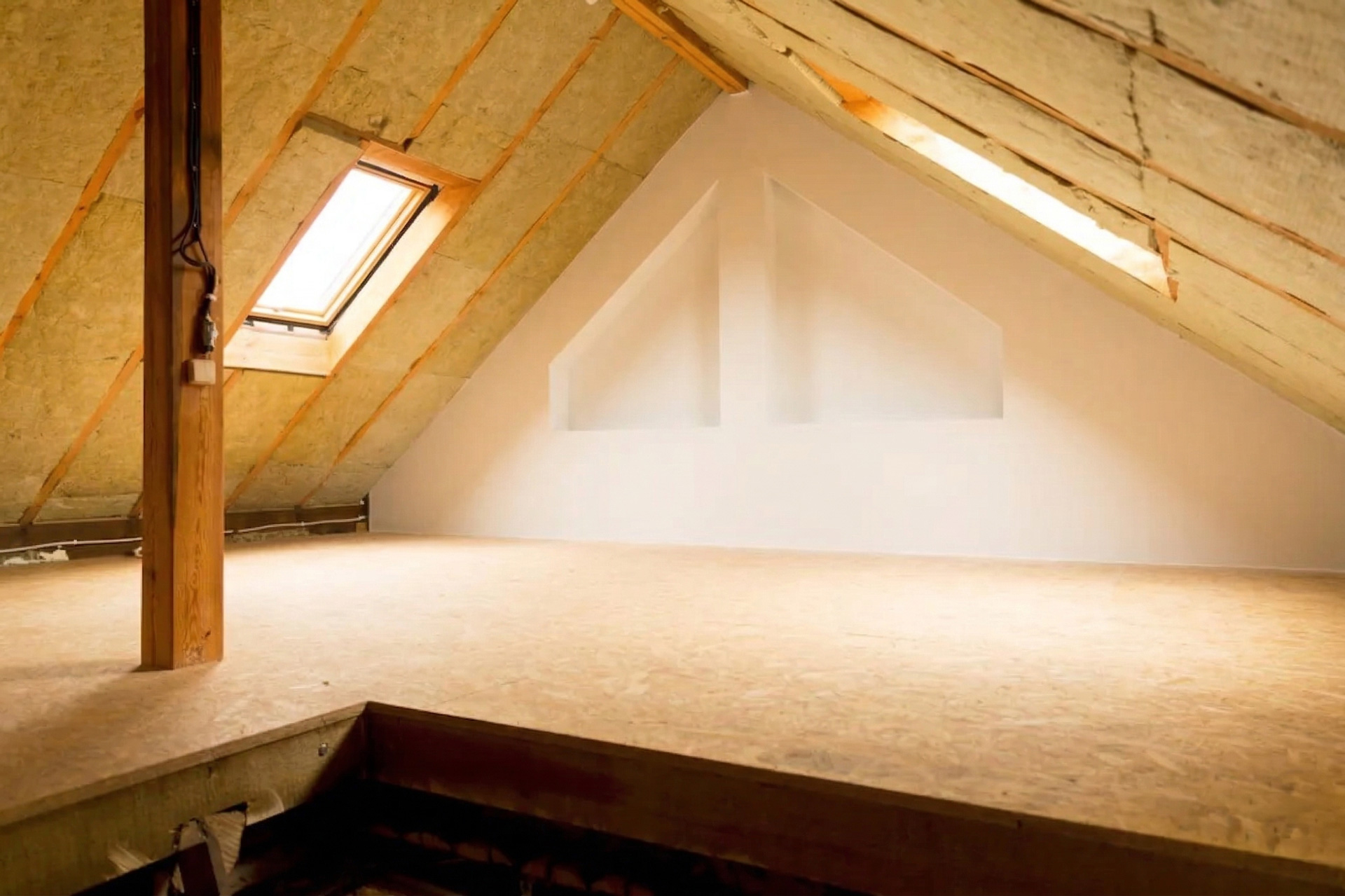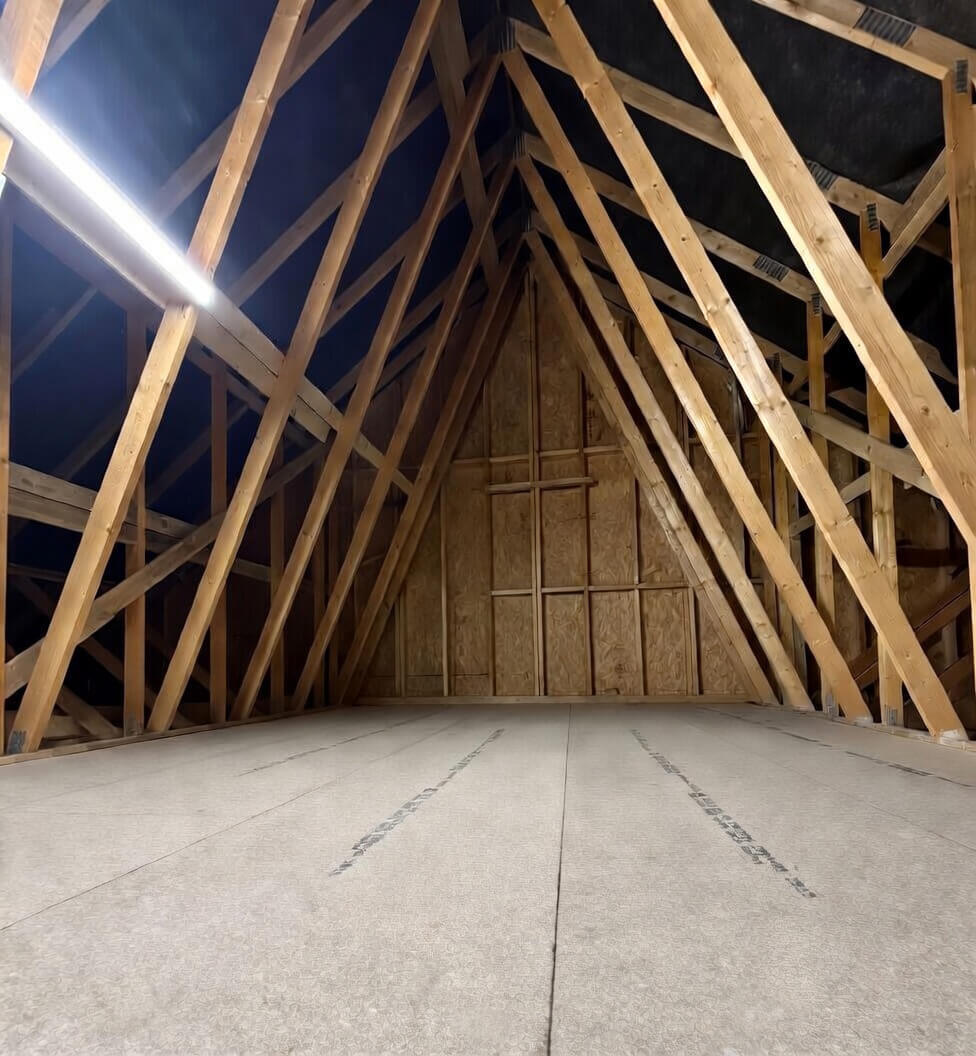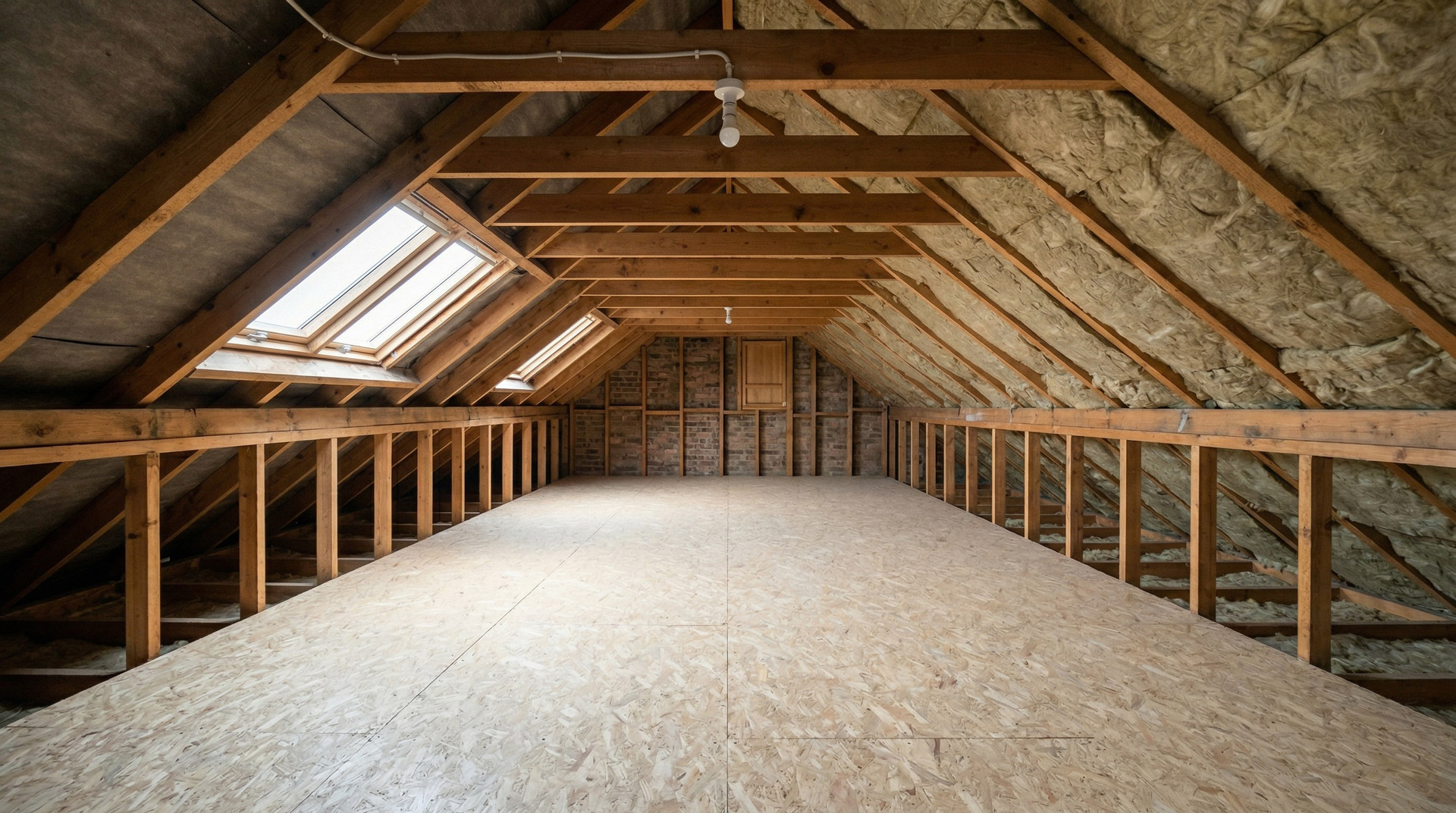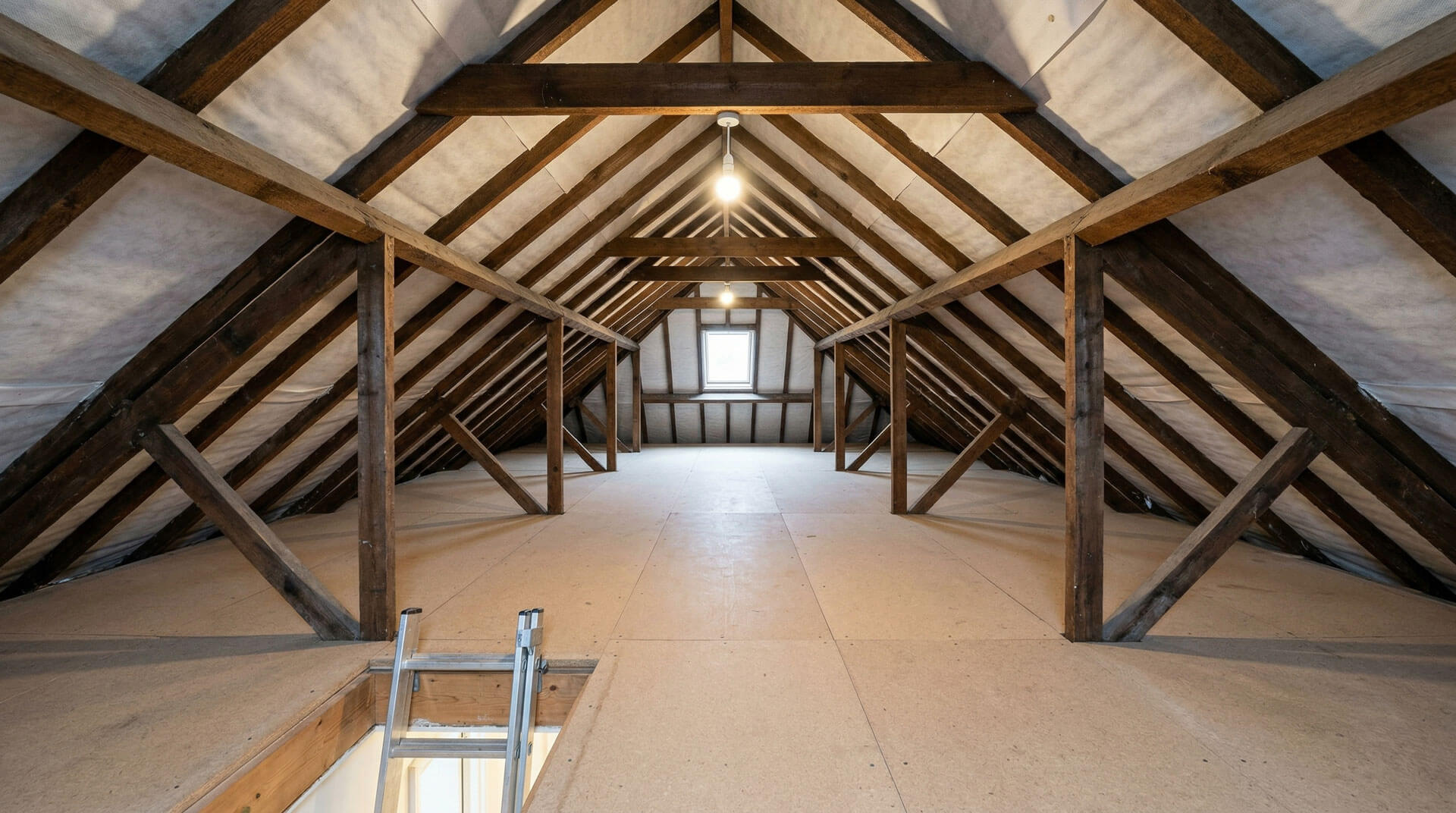
Yes, you can walk on a boarded loft if the boards are properly installed on suitable joists or raised supports and the loft is intended for light storage access. It is not automatically safe in every home, though. Load limits, insulation depth, board type and installation quality all affect whether you can use the loft safely.
A boarded loft can make storage much easier, but you should never assume it is safe by default. Some lofts are boarded well and provide secure access for light household storage. Others have loose boards, compressed insulation, weak joists or unsupported gaps that make walking on them risky.
If you are planning to upgrade your loft for safer access and storage, Primeway can help you assess the right solution for your property.
Can You Walk On A Boarded Loft?
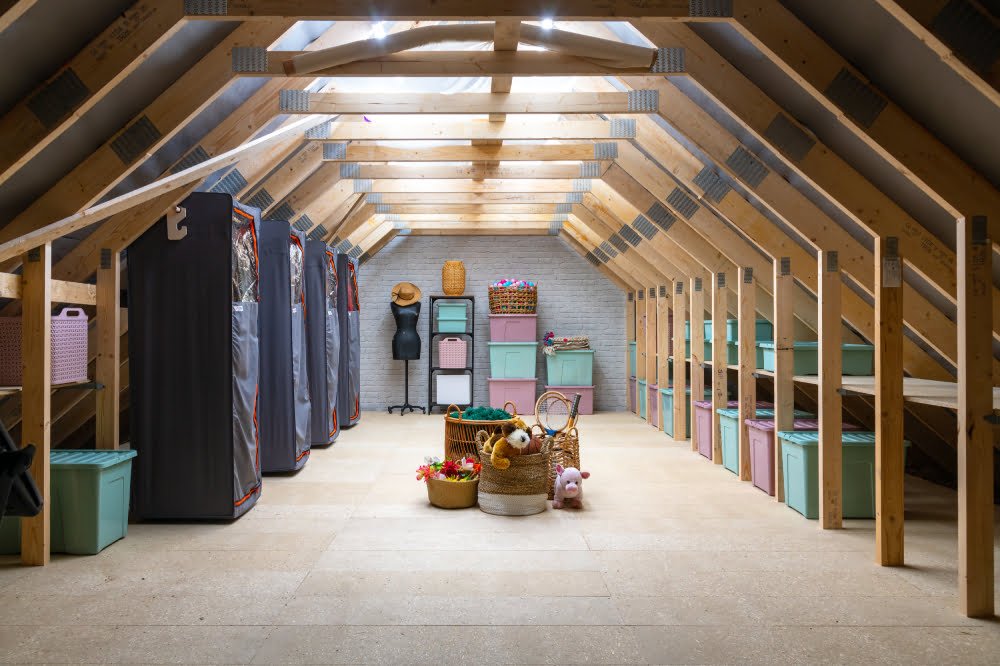
In many homes, yes, but only if the loft boards are fixed securely and supported correctly. A boarded loft is usually meant for light storage and occasional access, not the heavier use linked to a loft conversion or habitable room.
A simple rule of thumb is:
- Safe In Principle: Boards are fixed securely to sound joists or a raised support system, with no movement, sagging or gaps.
- Potentially Unsafe: Boards are loose, laid directly over insulation, bridging unsupported areas, or fitted to joists that may not suit repeated loads.
This matters because many UK lofts were built to support the ceiling below, insulation and limited maintenance access, not regular storage use. Guidance from GOV.UK Approved Document L and the Energy Saving Trust also highlights why you should protect insulation depth rather than crush it under boards.
When A Boarded Loft Is Safe To Walk On
Properly Fixed Boards And Secure Support
Loft boarding is safest when each board is fixed down properly and fully supported. This usually means the boards sit on suitable joists or on a raised loft boarding system that creates a stable platform above the insulation.
Well-installed boards should feel:
- Firm: No rocking, bouncing or shifting when you step on them.
- Even: No sudden height changes or unsupported edges.
- Secure: No visible lifting corners, split sections or poor fixings.
If you are comparing systems, Primeway's loft boarding packages can give you a clearer idea of what proper support and finish should look like.
Why The Condition Of The Joists Matters
The boards are only part of the picture. The joists underneath do the real structural work. If they are damaged, undersized or not meant for storage loading, the loft may still be unsafe even if the boards look tidy.
This is especially important in older properties, where joist sizes and spacing can vary. Good practice from organisations such as NHBC supports assessing the whole roof space, not just the visible surface.
Joist capacity varies by property age, design and condition, so there is no single safe weight figure for every loft.
The Difference Between Occasional Access And Regular Use
A loft that is safe for storing decorations once a month may not suit frequent use. Repeated foot traffic and ongoing loading can place more strain on boards, fixings and joists over time.
- Occasional Access: Usually means light use, short visits and modest loads.
- Regular Use: Needs more confidence in the installation quality, access route, lighting and structural support.
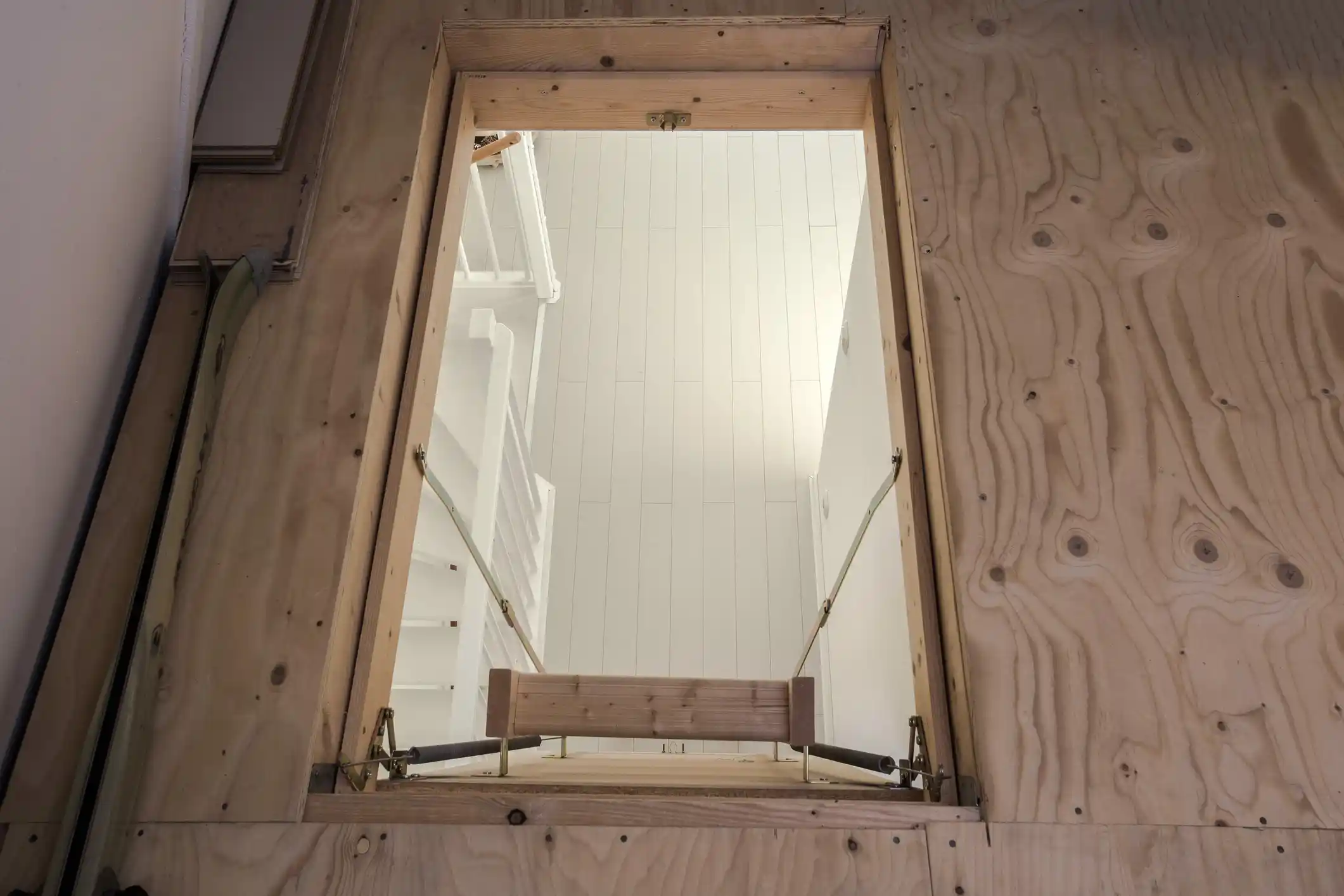
If you expect to use your loft often, it is worth considering added features such as loft ladders and loft lighting to improve safety as well as convenience.
When Walking On A Boarded Loft May Be Unsafe
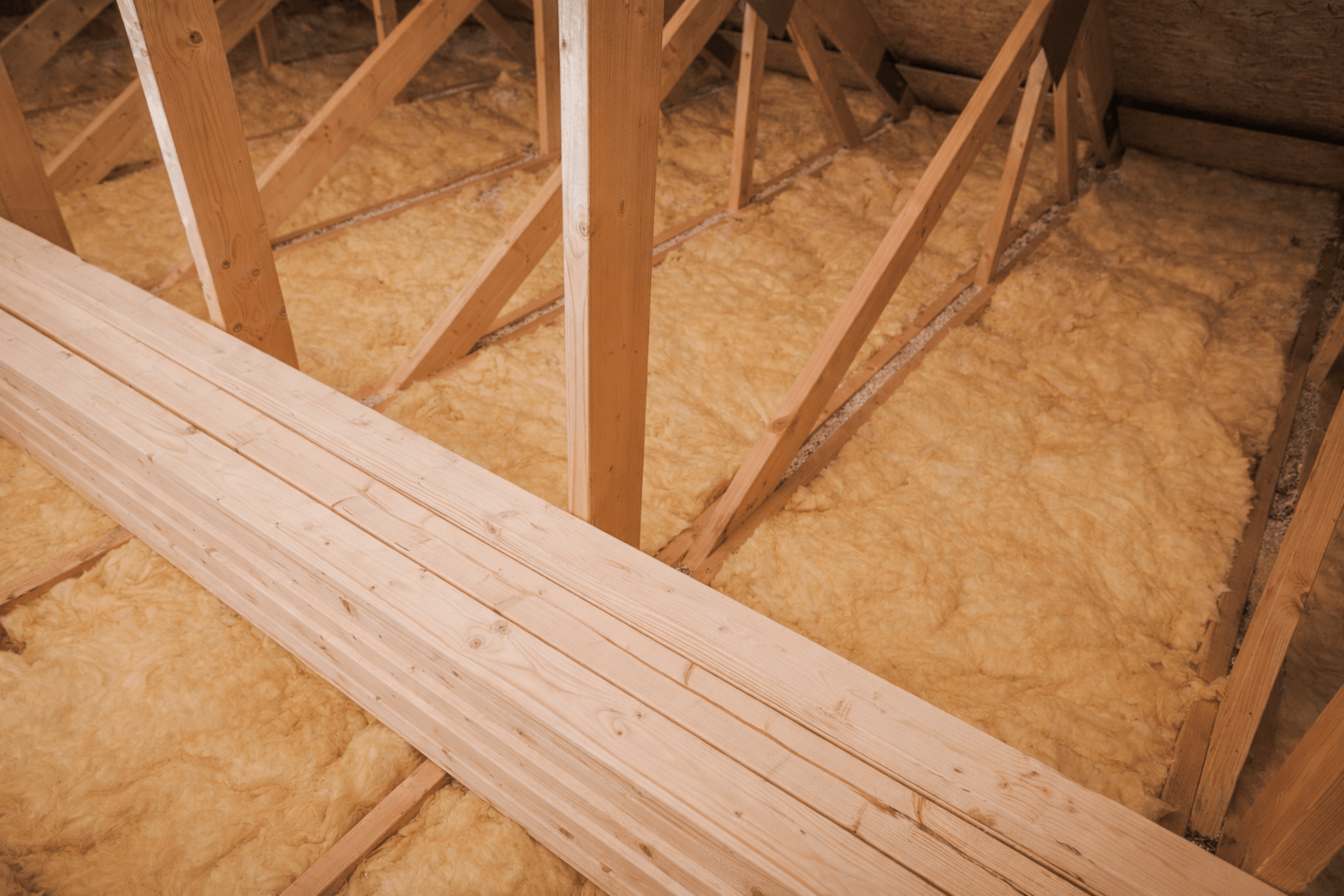
Boarding Laid Directly Over Insulation
One common problem is boarding laid straight over insulation. This can compress the insulation, reduce its thermal performance and create an uneven or unstable surface. The Energy Saving Trust advises homeowners to maintain effective insulation levels because compressed insulation does not work as well as insulation kept at its intended depth.
If you want to explore this in more detail, see can loft boarding be installed over insulation and can loft insulation be installed with loft boarding.
Weak, Damaged Or Undersized Joists
Cracked timber, water damage, bowing, notching, poor past alterations or undersized joists can all increase risk. A loft may appear usable but still be unsuitable for boarding loads.
Warning signs include:
- Sagging: A noticeable dip in the boarded area or the ceiling below.
- Creaking: Persistent movement noises under light pressure.
- Visible Damage: Splits, rot, staining or old repair work.
Where there is any doubt, a professional inspection is the safer option. The RICS website is also a useful source of property guidance when structural suitability is in question.
Loose Boards, Gaps And Unsupported Areas
Poorly fitted loft boards can create hidden hazards. Some are only partly supported, while others leave narrow gaps that are easy to misstep into, especially in poor light.
Common faults in badly boarded lofts include:
- Boards Ending Mid-Span: Leaving edges without proper support.
- Inconsistent Fixings: Causing movement and instability.
- Hidden Openings: Around eaves, tanks or pipe runs.
How Much Weight Can A Boarded Loft Hold?
Storage Loads Versus Walking Loads
This is one of the most important questions, and one of the hardest to answer with a single number. The weight a boarded loft can hold depends on the joists, their spacing, the board material, the support system and how the load is spread.
In practice, there is a big difference between:
- Walking Load: Your body weight moving across the boards for short periods.
- Storage Load: Boxes, luggage and other items left in one place for months or years.
- Concentrated Load: Heavy objects placed in a small area, which can overstress the structure more quickly.
A boarded loft is usually best treated as space for light household storage, not for heavy furniture, gym equipment, book collections or dense archive boxes. For a closer look at this topic, read how much weight loft boarding can hold.
Why Older Lofts Need Extra Caution
Older homes can have more variation in timber condition, joist dimensions and past alteration work. That does not always mean the loft is unsafe, but it does mean assumptions can be risky.
If your property is older, or if the boarding was fitted years ago by an unknown installer, it is sensible to have it checked before relying on it for regular access.
Speak to a loft specialist
Rather just talk it through?
Speak to the Primeway team about your loft and get honest, no-pressure advice on the right approach for your home.
Call 0800 145 5226Does Loft Boarding Damage Insulation?
Why Compressed Insulation Performs Poorly
Yes, it can, if the boards are laid directly onto the insulation. Insulation works by trapping air within its structure. Once it is squashed flat, it loses effectiveness and cannot perform as intended.
That may reduce energy efficiency and undermine the reason for having insulation in the first place. UK guidance on energy efficiency, including Approved Document L, supports maintaining effective insulation levels in roof spaces.
Why Raised Loft Boarding Systems Are Often Recommended
Raised loft boarding systems lift the deck above the insulation. This helps preserve insulation depth while creating a more even walking surface. That is why they are often recommended when homeowners want both storage and energy performance.
They can also create a neater and more consistent access platform. If you are planning a combined upgrade, Primeway's insulation services and guidance on combining boarding with ladders and lighting may be helpful next steps.
Safety Tips Before Walking On A Boarded Loft
Check Lighting, Access And Visibility
Never step into a loft you cannot see clearly. Good access and proper lighting make a major difference.
- Use Safe Access: Make sure the loft hatch and ladder are stable.
- Improve Visibility: Switch on fixed loft lighting rather than relying on a phone torch.
- Check The Route: Confirm where the supported boarding begins and ends.
The Health and Safety Executive provides broader safety guidance on reducing risks when accessing elevated spaces.
Spread Weight And Avoid Overloading One Area
Try not to concentrate heavy items in one small section. Spread boxes evenly and keep the heaviest items close to stronger, clearly supported areas where possible.
- Store Lightly: Use the loft for suitcases, seasonal decorations and similar lighter items.
- Avoid Dense Loads: Do not stack heavy boxes in one corner.
- Move Carefully: Step deliberately and avoid sudden impact.
Watch For Cables, Pipework And Hidden Gaps
Even a boarded loft can contain hazards around the edges or beneath removable sections. Watch for electrical cables, ventilation routes, pipework and areas where the boarding does not continue.
Before use, carry out a quick visual check for:
- Loose Or Raised Boards: These can catch a foot and shift unexpectedly.
- Exposed Services: Cables and pipes should not be crushed or become trip hazards.
- Open Gaps: Especially near the eaves or hatch opening.
Should You Have A Boarded Loft Professionally Installed?
In many cases, yes. Professional installation can help you avoid common problems such as compressed insulation, poor load assumptions, unstable walking areas or blocked access to services.
A professional installer can assess:
- Structural Suitability: Whether the existing loft is suitable for light storage boarding.
- Insulation Compatibility: Whether raised boarding is needed to protect performance.
- Access Improvements: Whether ladders, lighting or hatch upgrades are advisable.
A professionally boarded loft is not the same as a loft conversion, and it should not be used as habitable space unless it has been designed and approved for that purpose. If you want a practical assessment for your home, Primeway can advise on safe, storage-focused loft solutions.
FAQs About Walking On A Boarded Loft
Can You Stand Anywhere On Loft Boards?
No. Only stand on areas that are properly supported and securely fixed. Do not assume every visible board is safe, especially near edges, cut-outs or older altered sections.
Can You Use A Boarded Loft For Heavy Storage?
Usually not. Most boarded lofts are intended for light storage only. Heavy storage can overload joists or create long-term stress on the structure.
Is A Boarded Loft The Same As A Loft Conversion?
No. Loft boarding creates a usable storage platform. A loft conversion is designed to habitable standards and involves a much higher level of structural, thermal and access compliance.
Fun Fact: Many Lofts Were Never Meant For Storage
Many UK lofts were never designed as storage rooms at all. That is why a loft that feels solid underfoot may still need raised boarding and load checks before it is safe for regular use.
So, can you walk on a boarded loft? Yes, if it has been installed properly, supported correctly and assessed for light storage use. Safe loft access depends on more than just having boards in place. Joist condition, installation quality, insulation depth and the way you use the loft all matter.
If you want a safer and more practical loft setup, Primeway can help with boarding, insulation, ladders and lighting designed around your home's needs.
Thinking about your loft?
Book a free loft survey and we will talk you through the options that suit your home and budget.