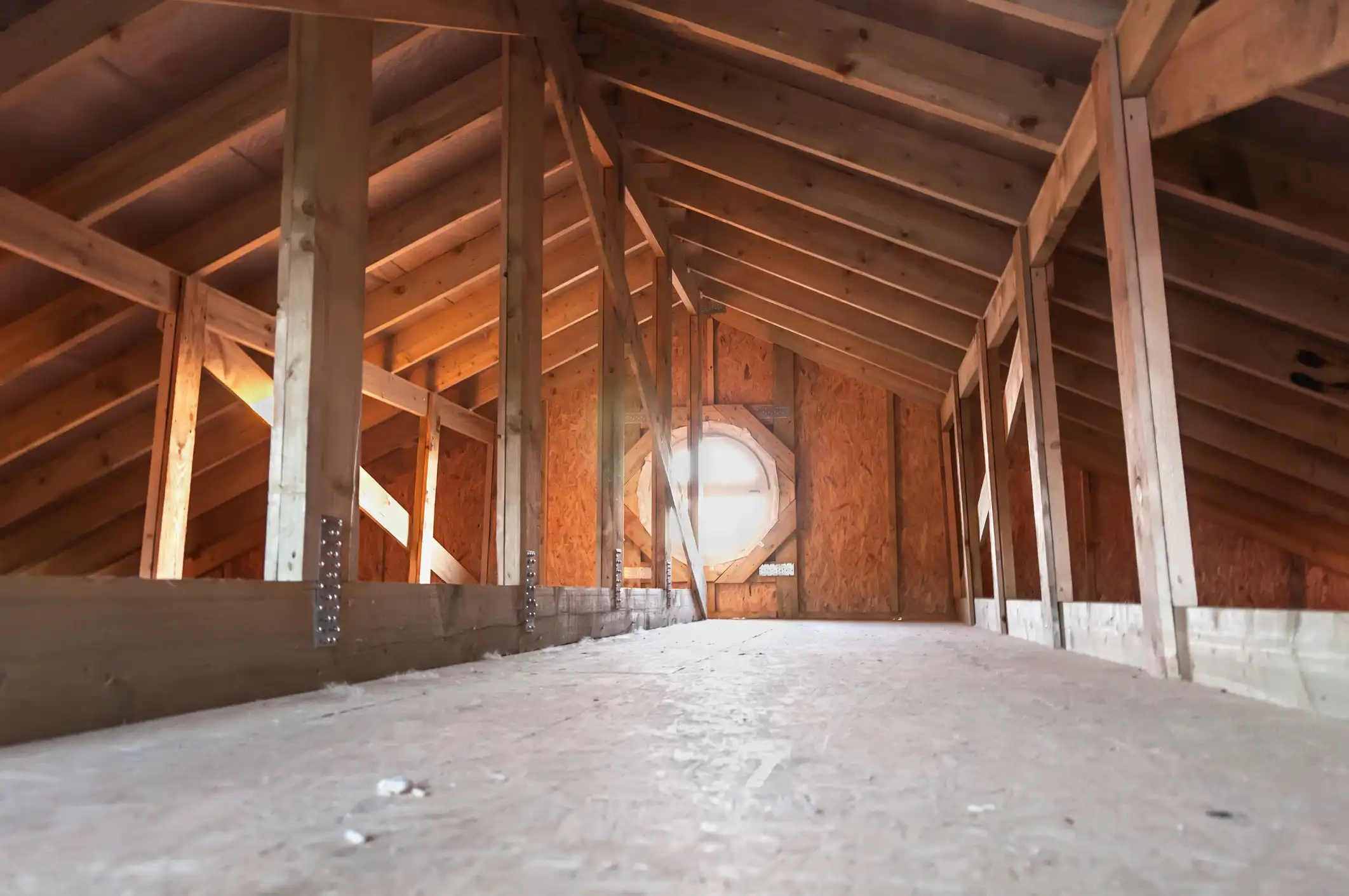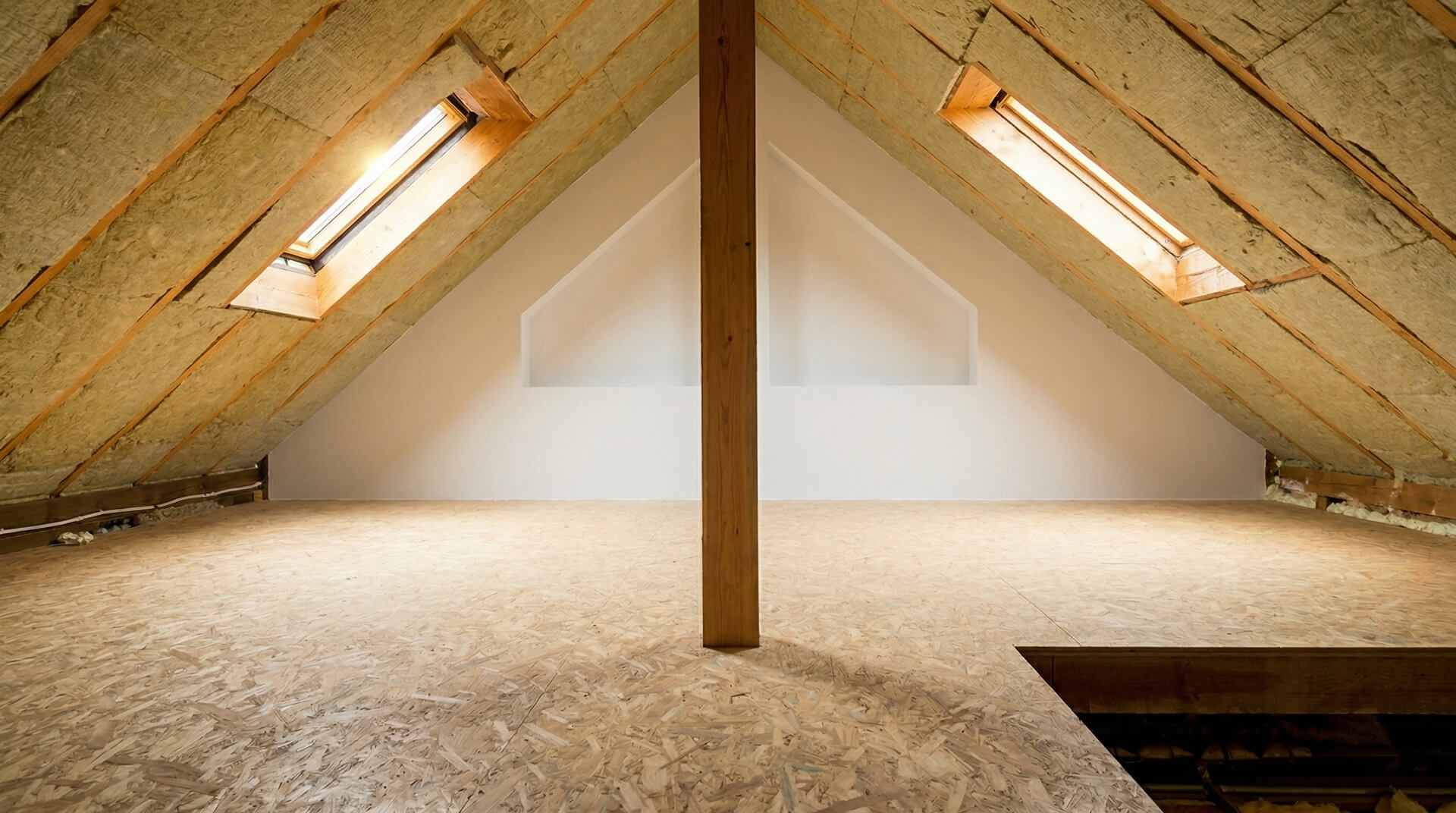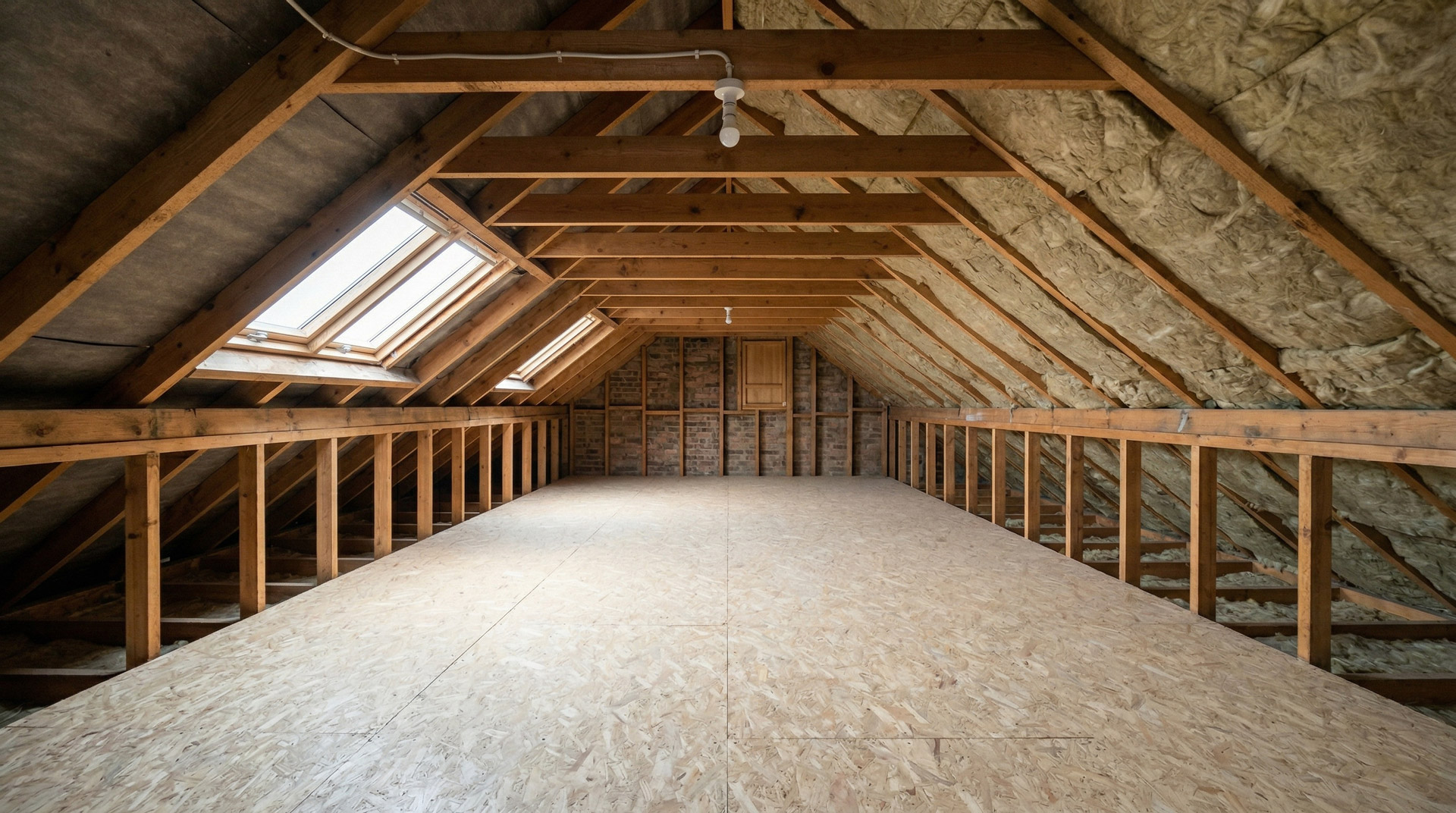
Properly installed loft boarding can remain serviceable for decades. There is no single, guaranteed lifespan: how long loft boards last depends mainly on moisture, installation quality, how well the boards are supported and how they are used. Warping, sagging and damp damage are common signs that repair or replacement may be needed.
If you use your loft for storage, it helps to know how long the boards should last. This can help you avoid damage to the boards, the insulation and even the ceiling below. In many homes, loft boards do not fail because they are old. They fail because of condensation, overloading or poor installation over unsupported areas.
In this guide, we explain how long loft boards usually last, what affects their durability, how to spot problems early and whether repair or full replacement is the better option. If you want tailored advice for your home, Primeway can help with loft boarding packages, insulation upgrades and other loft services.
How Long Do Loft Boards Last?
There is no single, fixed lifespan for loft boards. A well-installed raised loft boarding system in a dry, ventilated loft can stay serviceable for decades, while poorly fitted boards in a damp loft may show problems far sooner. Rather than a set number of years, it is more useful to think about the conditions that shorten or extend board life.
What really determines how long boards last:
- Moisture And Ventilation: A dry, well-ventilated loft is the single biggest factor in helping boards last.
- Installation Quality: Correct support, secure fixings and a raised system all help boards stay stable for longer.
- Support And Loading: Boards kept within sensible load limits and properly supported wear far more slowly.
- Everyday Use: Sensible storage and clear walkways reduce stress on the boards over time.
Loft boards are usually meant for light domestic storage, not as a room floor unless the structure has been assessed for that use. The Health and Safety Executive highlights the importance of safe access and sensible use of elevated storage areas. It is a useful reminder that durability and safety go together.
Average Lifespan Of Different Types Of Loft Boards
The material you choose makes a real difference to loft boarding lifespan. Some boards handle changes in temperature and moisture better than others.
Chipboard Loft Boards
Chipboard loft boards are common in UK homes because they are affordable and widely used for storage platforms. In a dry, well-ventilated loft, good-quality chipboard can stay serviceable for many years.
However, chipboard is more vulnerable to moisture than some alternatives. If condensation gets into the board, it can swell, soften and lose strength. That is why chipboard performs well in the right environment but deteriorates faster in lofts with damp or poor airflow.
OSB And Structural Boards
OSB, or oriented strand board, and other structural boards are usually tougher than basic chipboard. They are also better suited to repeated foot traffic. When they are installed properly, they can be very durable in everyday use.
These boards often provide better structural stability, especially where the loft is accessed regularly for storage. They still need protection from moisture, but they are often more durable in everyday use.
Moisture-Resistant Boards
Moisture-resistant loft boards are designed to cope better with changing conditions. This makes them a good option in lofts where temperature swings or occasional condensation are a concern. For its own installations, Primeway specifies P5 moisture-resistant tongue-and-groove chipboard, which is graded to resist moisture and cope with everyday storage use.
It is worth noting that moisture-resistant does not mean waterproof. Even these boards can degrade if the loft has a long-term ventilation or damp problem. Guidance from the NHS on mould and damp explains how excess moisture affects the home environment, and the same principle applies in loft spaces.
What Affects The Lifespan Of Loft Boards?
Several factors affect how long loft storage boards last. In most cases, the loft environment and the quality of fitting matter just as much as the board itself.
Installation Quality And Support Spacing
Boards need the right support underneath them. If they are fitted across joists with poor alignment, too much unsupported span or weak fixings, they can flex and wear out faster. Over time, repeated movement can loosen joints and cause cracks around screw holes.
Professional installation helps by making sure:
- Boards Are Correctly Supported: This reduces bounce and stress.
- Fixings Are Secure: This helps prevent movement and lifting.
- Weight Is Better Distributed: This lowers the risk of localised sagging.
- Access Routes Are Planned Properly: This keeps regular foot traffic on stable areas.
This is especially important near the loft hatch, ladders and commonly used walkways. If you are improving access as well as storage, Primeway also offers loft hatches and loft ladders to create a safer overall setup.
Moisture, Condensation And Ventilation
Moisture is one of the main reasons loft boards fail early. Even good-quality boards can warp, swell or develop mould if the loft stays damp.
Common moisture-related causes include:
- Poor Ventilation: Trapped humid air can lead to condensation on timbers and boards.
- Blocked Ventilation Routes: Boarding or stored items that close off airflow at the eaves can trap humid air in the roof space.
- Roof Leaks: Even a small leak can damage boards over time.
- Seasonal Temperature Swings: These can increase condensation risk in poorly ventilated lofts.
The UK government advises homeowners to improve insulation without affecting ventilation and overall energy efficiency. You can read more in GOV.UK energy efficiency guidance. This is one reason raised loft boarding systems are often a better long-term choice than laying boards directly onto joists over thick insulation.
Weight Loads And Intended Use
Loft boarding for storage is not the same as a structural floor designed for regular occupancy. Boards last longer when you use them within their intended load limits.
Heavy boxes, stacked books, tools or concentrated weight in one area can overstress the boards and the joists below. Repeated overloading may cause sagging, creaking and movement at the joints.
To extend board life:
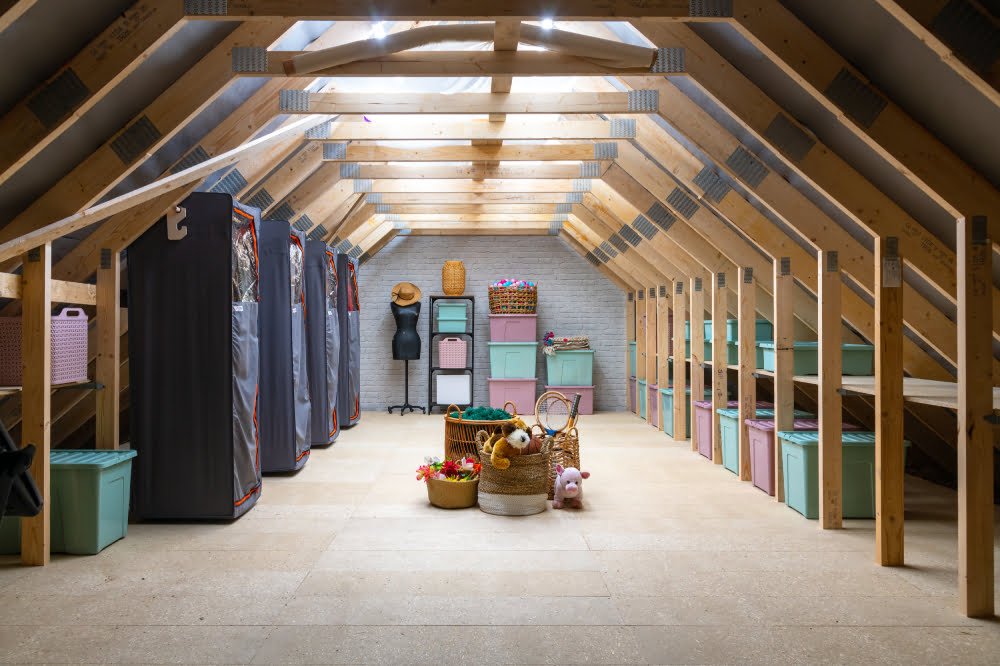
- Store Lighter Items: Suitcases, decorations and clothing are usually better choices than dense, heavy materials.
- Spread Weight Evenly: Avoid piling everything into one corner.
- Keep Walkways Clear: This reduces unnecessary stepping on unsupported edges.
Insulation Depth And Raised Boarding Systems
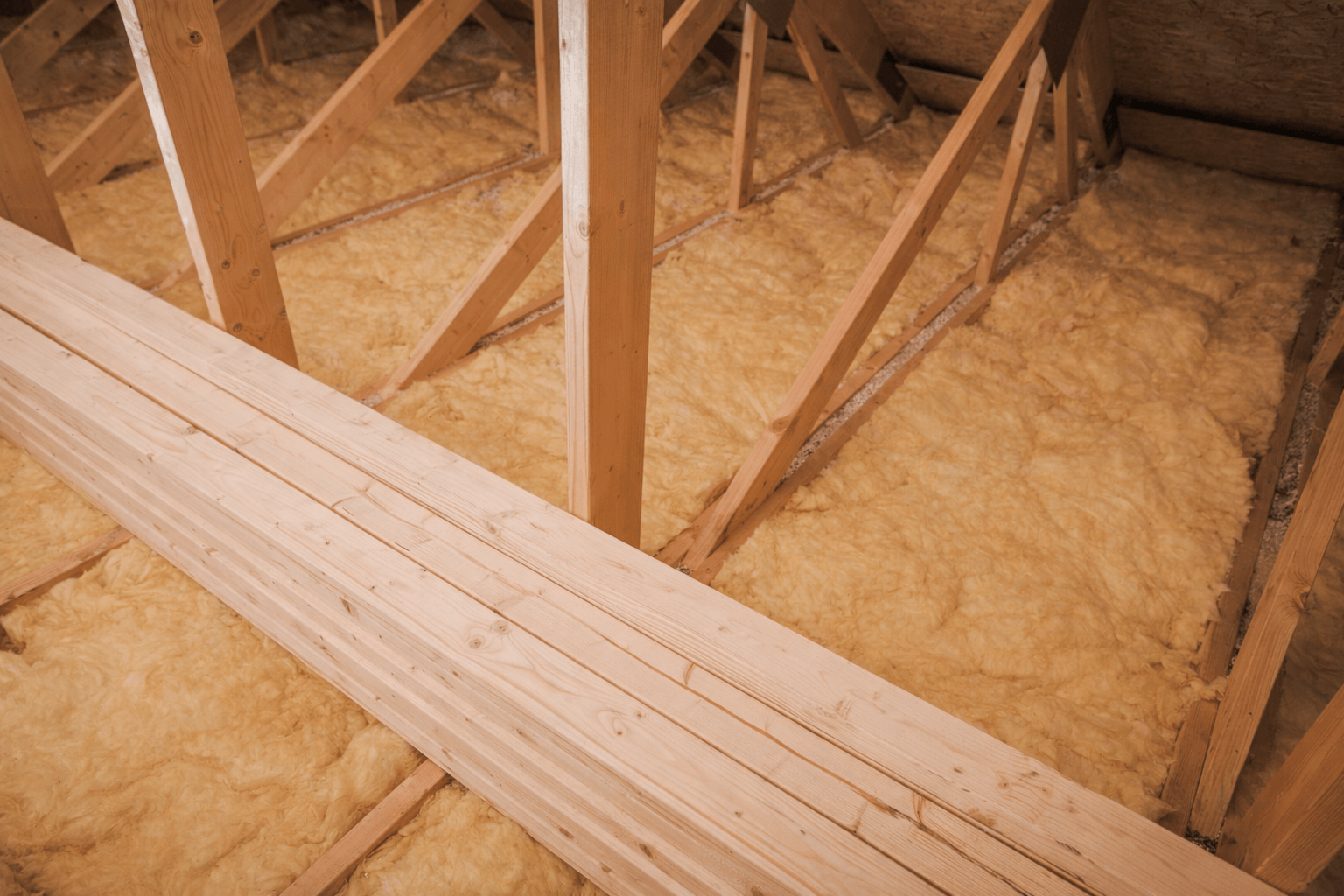
Modern loft insulation is often much deeper than it was in older homes. If boards are laid at joist level, directly on top of the joists, the insulation beneath can be compressed. That reduces its thermal performance, so more heat escapes through the roof.
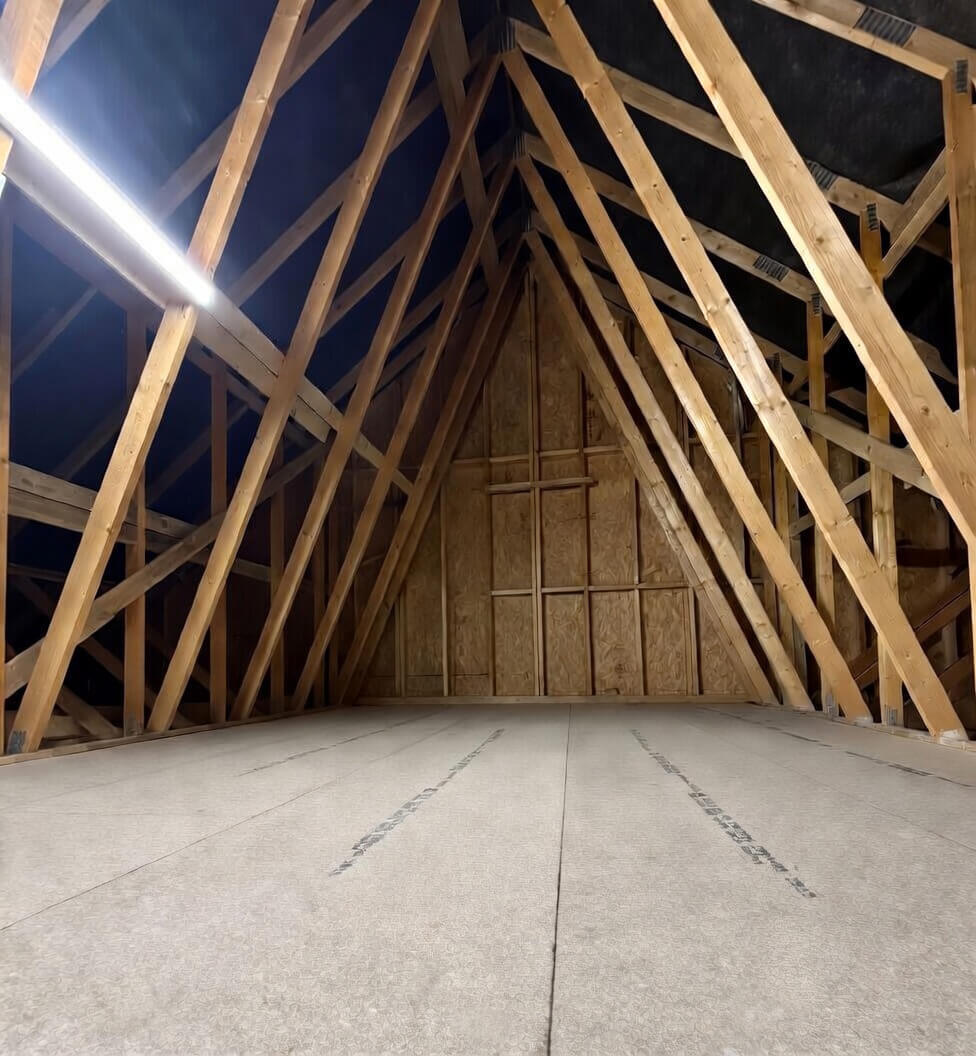
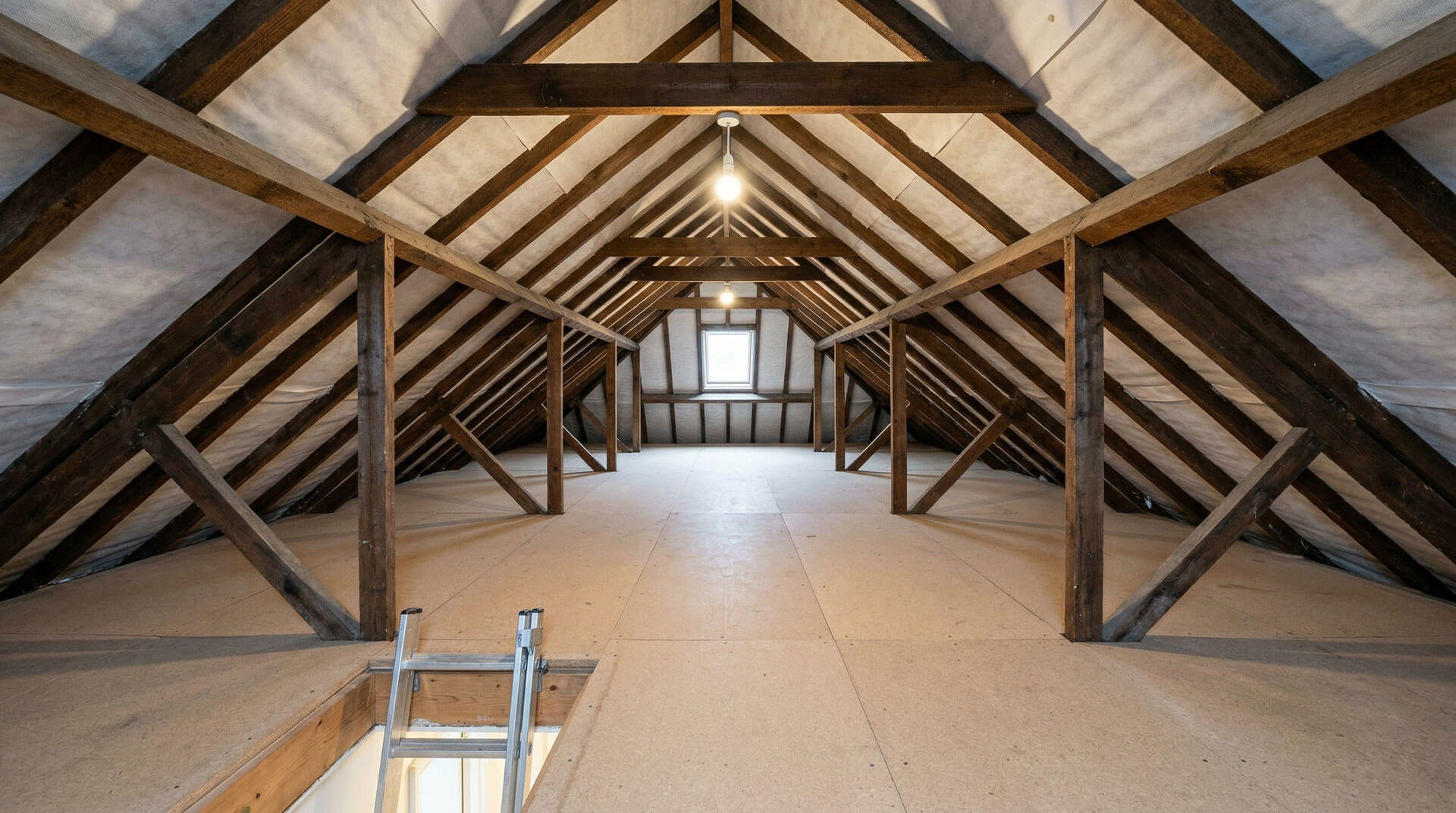
Raised loft boarding systems lift the boards clear of the insulation, so the appropriate insulation depth can be maintained. This preserves thermal performance while still creating a stable platform, which can benefit both energy efficiency and board lifespan.
For many households, this is the best way to combine storage with good loft health. If you are planning a full upgrade, Primeway can advise on combining insulation, loft lighting and shelving as part of a more practical storage space.
Signs Your Loft Boards May Need Replacing
You do not always need to replace loft boards just because they are old. The key is to look for changes in strength, shape and surface condition.
Sagging, Flexing Or Movement Underfoot
If the boards feel bouncy, dip when you walk on them or move against each other, that is a warning sign. Some movement may come from poor support or loose fixings. Persistent flexing can also mean the boards have weakened.
This matters because movement usually gets worse over time, especially on busy access routes.
Swelling, Warping Or Mould
Boards that look swollen at the edges, warped across the surface or stained by mould may have suffered moisture damage. This is common in lofts with poor ventilation or hidden roof leaks.
Timber and timber-based boards perform best when moisture is controlled. TRADA is a respected authority on timber performance and explains how moisture changes can affect wood-based materials over time.
Loose Fixings Or Damaged Joints
If screws are pulling out, tongue-and-groove joints are separating or edges are chipping away, the boards may no longer be secure enough for safe use. A few isolated issues might be repairable, but widespread joint failure often means replacement is the better choice.
Speak to a loft specialist
Rather just talk it through?
Speak to the Primeway team about your loft and get honest, no-pressure advice on the right approach for your home.
Call 0800 145 5226Can Loft Boards Last Longer With Proper Maintenance?
Yes, in many cases loft boards can last much longer with basic maintenance and sensible use. You do not need to do much, but regular checks can stop small issues becoming major ones.
Keeping The Loft Dry And Ventilated
Check the loft from time to time for signs of condensation, musty smells, mould spots or roof leaks. Good airflow is one of the best ways to protect both boards and insulation.
If your loft feels damp or stuffy, it is worth investigating before the damage spreads.
Avoiding Overloading
Try to treat loft boards as a storage platform, not a heavy-duty floor. Spread items out, avoid dense loads and do not assume every part of the loft is suitable for standing or stacking.
This simple habit can add years to the lifespan of loft boards.
Checking Boards Around Hatches And Walkways
The area around the hatch and main walkway sees the most use. Check these spots first for looseness, cracking or surface wear. If needed, you can sometimes repair isolated boards before the surrounding area is affected.
If you are unsure about the condition of your loft flooring, Primeway can assess it as part of its wider loft services. You can also learn more on the why Primeway page.
Should You Repair Or Replace Old Loft Boards?
The right choice depends on how localised the problem is.
- Repair May Be Suitable: If only one or two boards are chipped, loose or lightly damaged, and the rest of the loft floor is stable and dry.
- Replacement Is Often Better: If there is widespread sagging, repeated movement, moisture damage or a poor original layout.
- A Full System Upgrade Makes Sense: If the existing boards compress insulation, block ventilation or no longer meet your storage needs.
Replacing old boards can be a good chance to improve the whole loft setup rather than simply swapping like for like. That may include raised boarding, better access, improved insulation and extra storage features from loft extras.
Does Professional Installation Improve Lifespan?
In most cases, yes. Professional loft boarding installation can improve lifespan because it deals with the issues that often shorten it in the first place.
A professional installer is more likely to assess:
- Joist Direction And Spacing: So boards are properly supported.
- Insulation Depth: So boarding does not reduce thermal performance.
- Ventilation Needs: So the loft stays healthier and drier.
- Safe Storage Use: So the boarded area matches how the space will actually be used.
That usually means a more stable platform, better long-term performance and fewer costly issues later. If you are planning a new loft storage area or replacing ageing boards, speaking to Primeway through the contact page is a practical next step.
Fun Fact: Loft Environment Can Matter More Than Board Age
A loft board often fails because of moisture and poor ventilation before the board material reaches the end of its natural life. That means the loft environment can matter just as much as the board you choose.
Final Thoughts On How Long Loft Boards Last
There is no single figure for how long loft boards last, but properly installed loft boarding can remain serviceable for decades. The biggest influences are moisture, installation quality, how well the boards are supported and how they are used, rather than age on its own.
If your loft boards are sagging, warped or showing signs of damp, it is worth acting early. A repair may be enough in some cases, but older systems often benefit from a more complete upgrade that protects insulation and creates safer storage.
If you want a loft space that stays safe, accessible and efficient for years to come, Primeway can help with expert boarding, insulation and storage solutions tailored to your home.
Thinking about your loft?
Book a free loft survey and we will talk you through the options that suit your home and budget.