The main purpose of a loft is to provide space beneath the roof for ventilation, insulation and household storage. In many homes, a loft also gives access to services such as wiring and pipework. It can also be upgraded with boarding, ladders and lighting to make the space safer and more useful.
If you have ever wondered what a loft is used for, the short answer is simple. It is a practical part of the home that helps protect the property, improve energy efficiency and provide extra storage space. In many UK homes, the loft is easy to overlook, but it plays a much bigger role than many people realise.
What Is The Purpose Of A Loft?
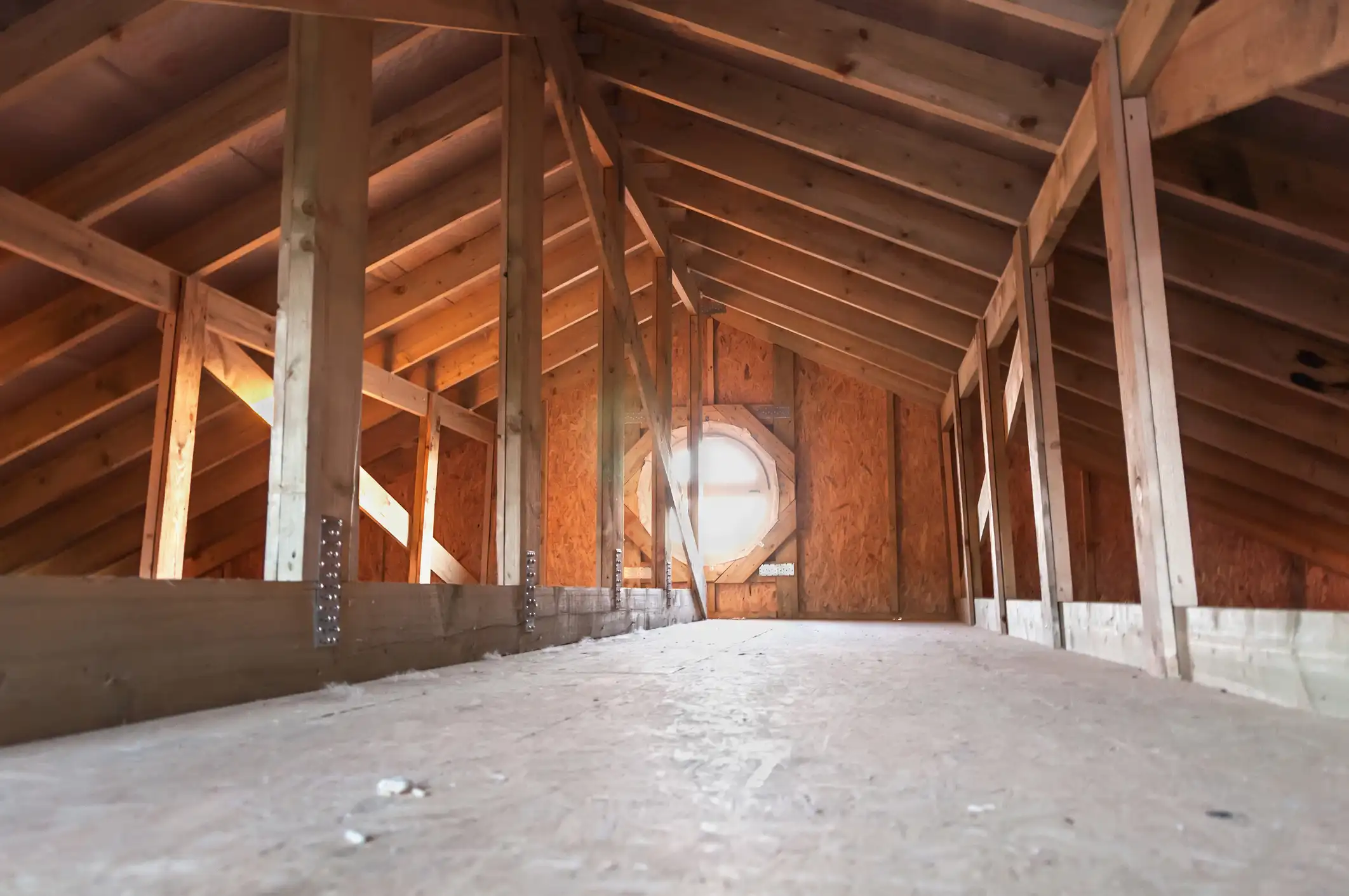
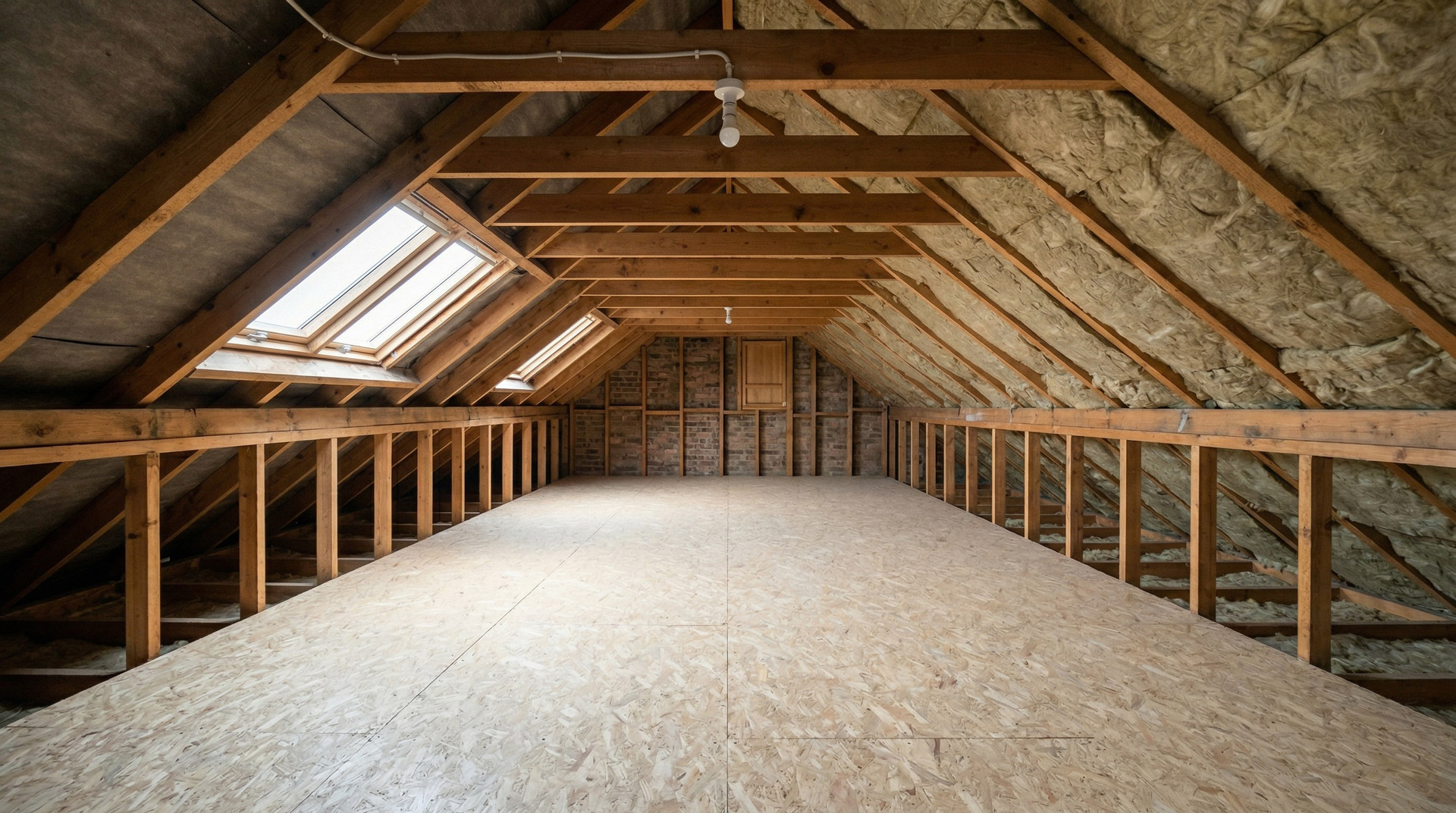
A loft is the space directly beneath the roof of a house. Its purpose is not only to hold old boxes or seasonal decorations. It also helps the home work properly by housing insulation, supporting airflow through the roof space and giving access to important services above the ceilings.
- Storage: A Convenient Place For Items You Do Not Need Every Day.
- Insulation: A Key Area For Reducing Heat Loss Through The Roof.
- Ventilation: A Space That Helps Air Circulate And Prevent Moisture Problems.
- Access: A Practical Route To Wiring, Pipework And Other Home Services.
In some homes, a loft can also be the starting point for future improvements. These might include simple boarding or wider upgrades to improve access and storage. If you want to make better use of your roof space, Primeway can help with loft boarding packages, loft ladders and loft hatches.
The Main Functions Of A Loft In A Home
Storage Space For Belongings Used Less Often
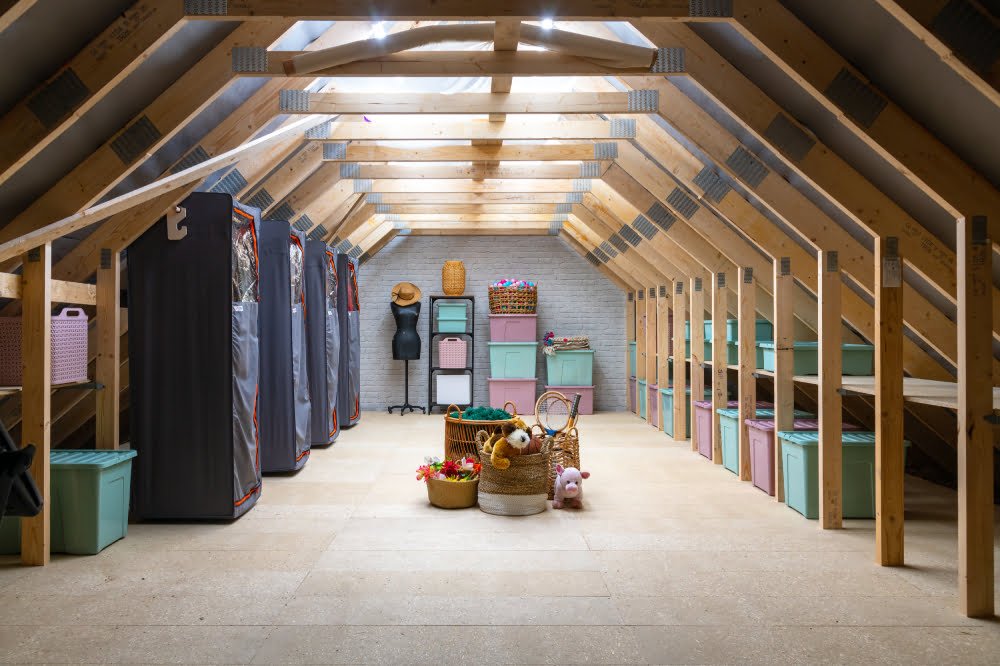
For many households, the loft is mainly used for storage. It is a useful place for suitcases, Christmas decorations, keepsakes and other items that you do not need every day. This frees up bedrooms, cupboards and garages for regular use.
Safe loft storage depends on the condition of the space. A loft that has been prepared properly is far more useful than one with exposed joists, poor lighting and awkward access.
A Place For Insulation To Improve Energy Efficiency
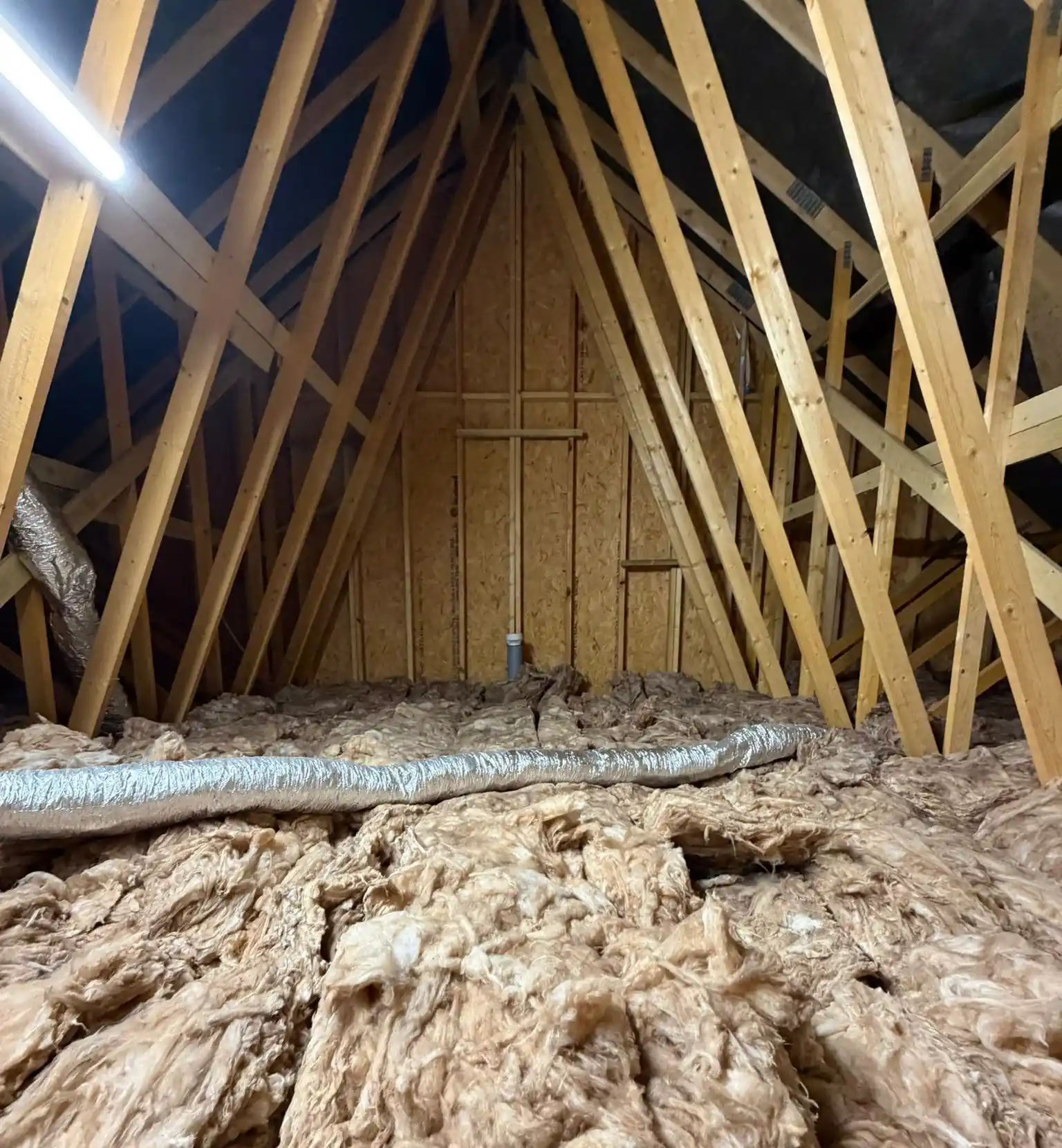
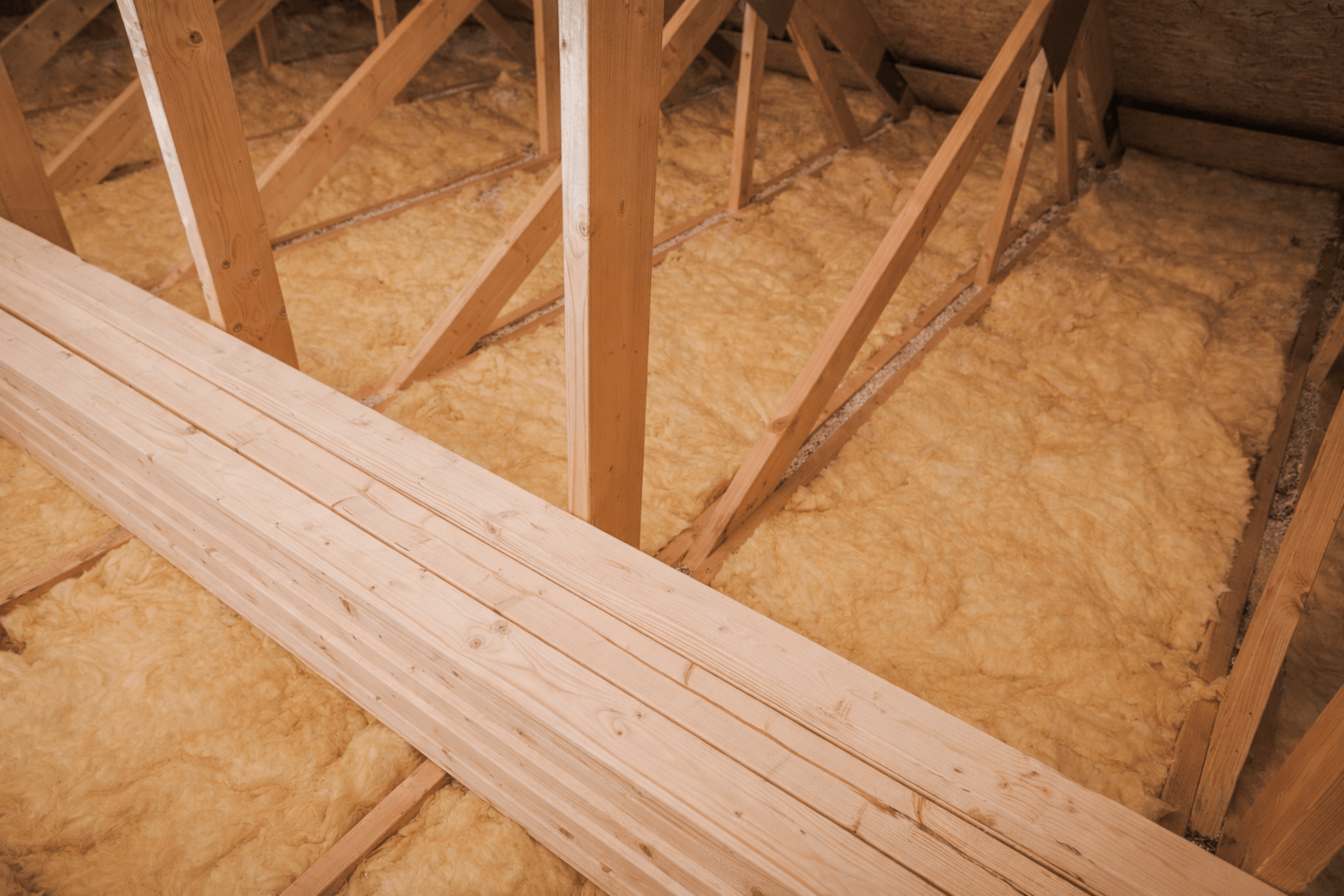
One of the most important purposes of a loft is to hold insulation. Proper loft insulation helps reduce heat loss through the roof, which can make the home warmer and cheaper to heat. GOV.UK explains more in its energy efficiency guidance, and the Energy Saving Trust offers practical advice on reducing heat loss.
Insulation needs to be installed correctly to work well. It should not be compressed, as this can reduce its effectiveness. If you also want to use the loft for storage, it helps to understand how boarding works with insulation levels. You can read more in this guide to loft boarding over insulation.
Ventilation And Roof Airflow
Lofts also allow airflow beneath the roof. This ventilation matters because it helps moisture escape and reduces the risk of condensation, damp and timber problems. Without proper airflow, a roof space can trap humid air, especially during colder months.
Good ventilation works alongside insulation. The aim is to keep the home warm below the ceiling while letting the roof structure above breathe properly. You can explore general roof space guidance and standards through NHBC.
Access To Wiring, Pipework And Other Services
Many homes have electrical cables, pipework, extractor ducting and other services running through the loft. This makes the area useful for inspections, maintenance and repair work. Rather than opening walls or ceilings, tradespeople can often reach these systems through the roof space.
This easy access is one reason a loft should stay organised and safe to move around in. Clear walkways, sensible storage and good lighting can make a big difference.
Can A Loft Be Used For Storage Straight Away?
Not always. Many people assume any loft can hold boxes straight away, but that is not always true. Some lofts are designed only for occasional access and light loads, not regular storage use.
Why Joists, Insulation And Safe Access Matter
Before using a loft for storage, check the joists, insulation depth and how you enter the space. Ceiling joists are not always meant to carry heavy loads beyond the ceiling below. Overloading them can cause damage.
You should also avoid squashing insulation by placing items directly on top of it. Compressed insulation does not work as well. Safe access matters too. A small hatch and an unstable stepladder can turn a useful loft into a safety risk.
If you are unsure whether your loft is suitable, a professional assessment is the safest option. Primeway can advise on access, boarding and insulation-friendly solutions to suit your loft.
When Loft Boarding Makes The Space More Usable
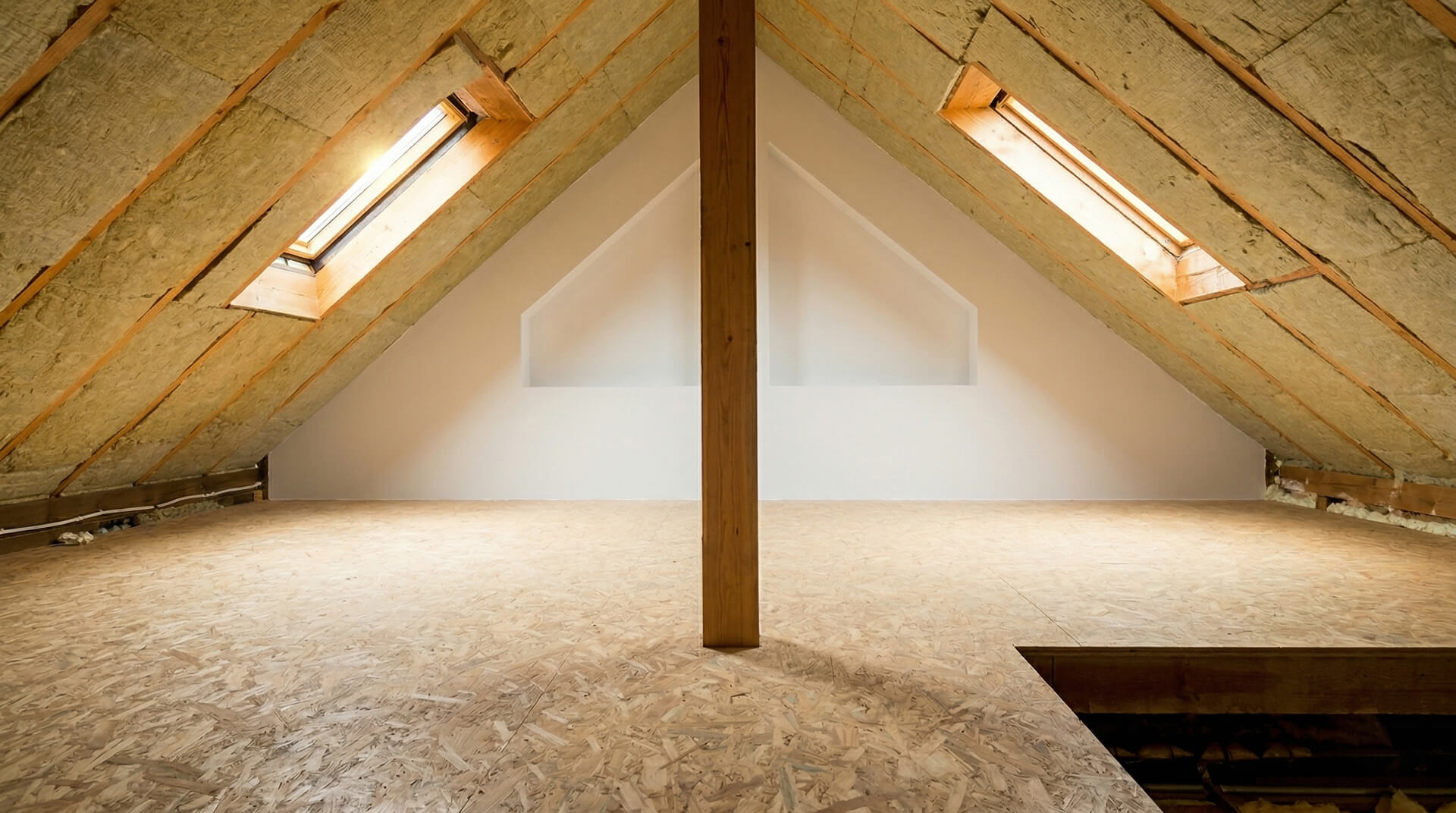
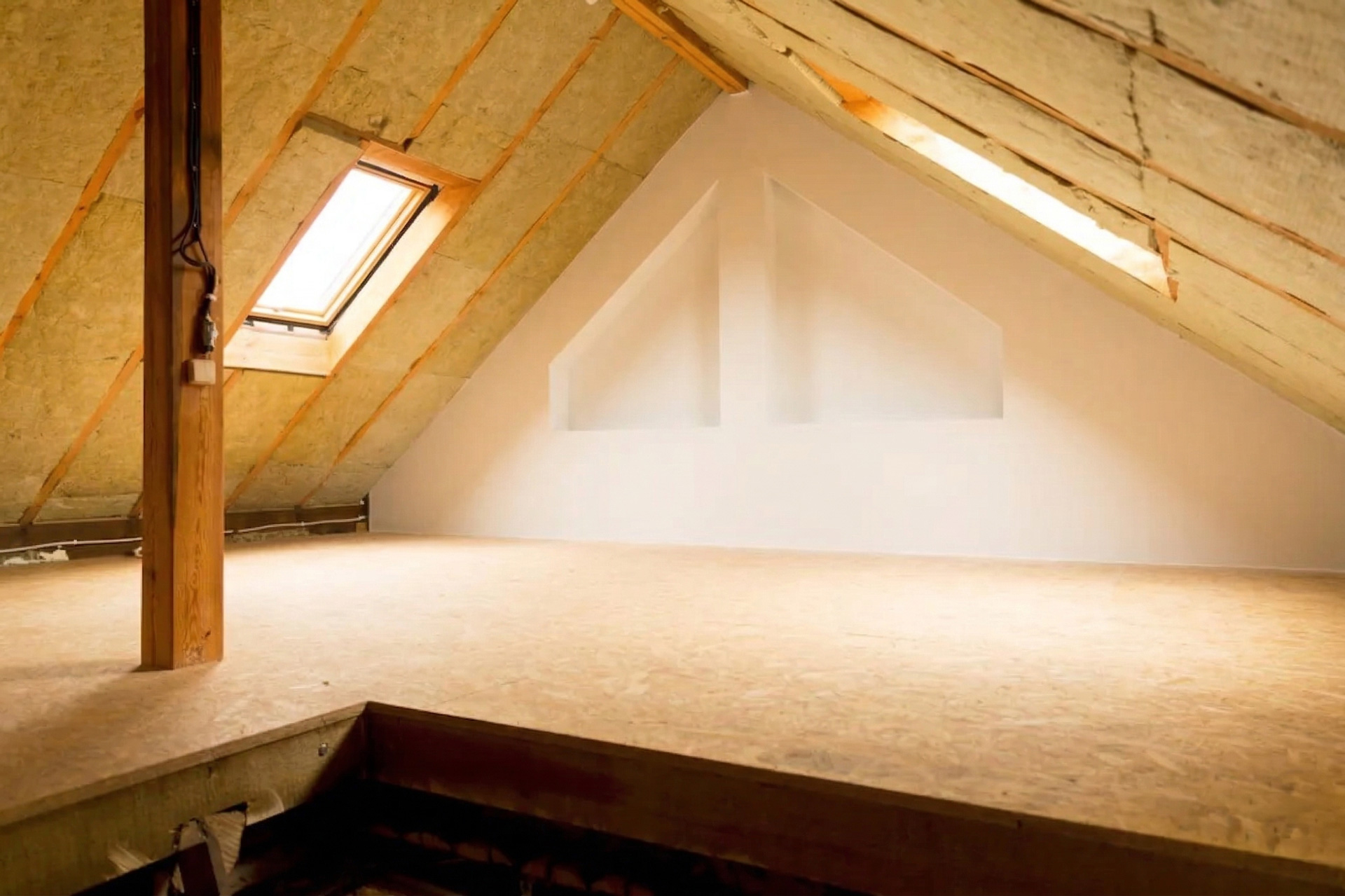
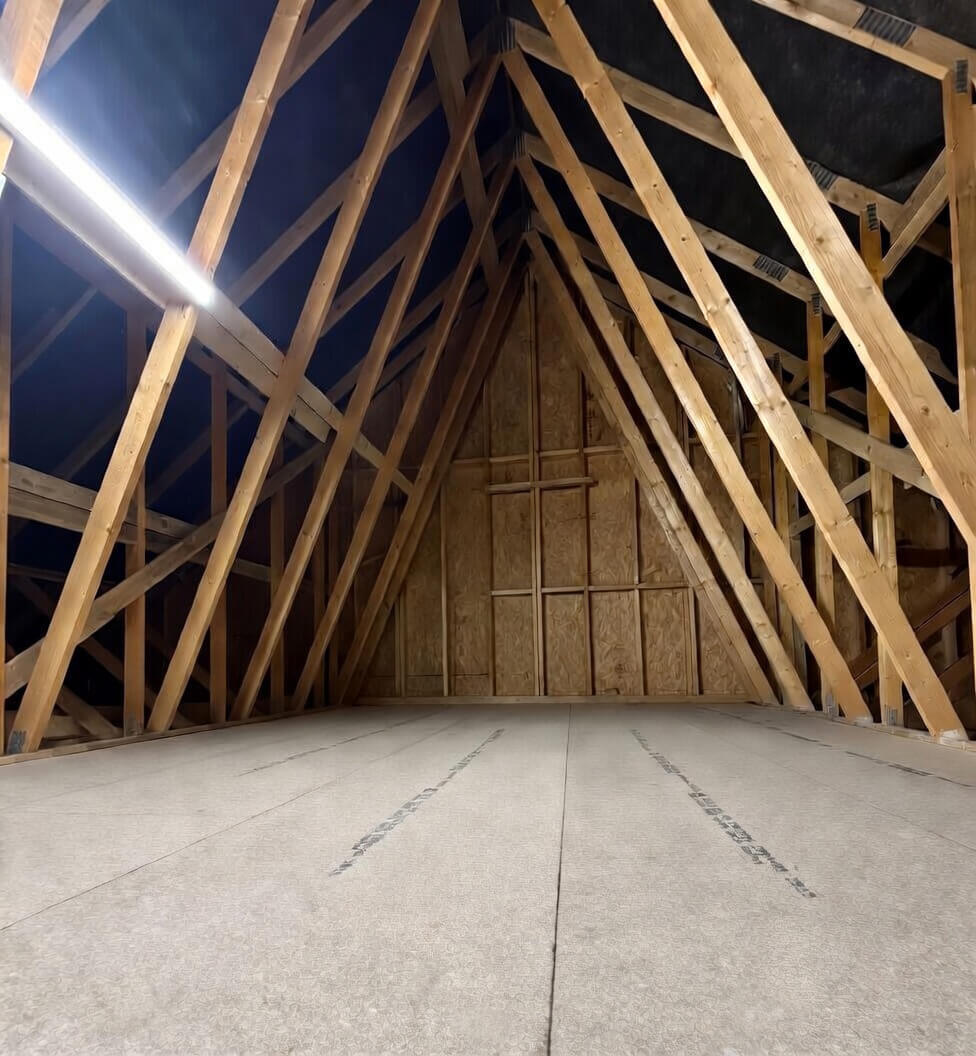
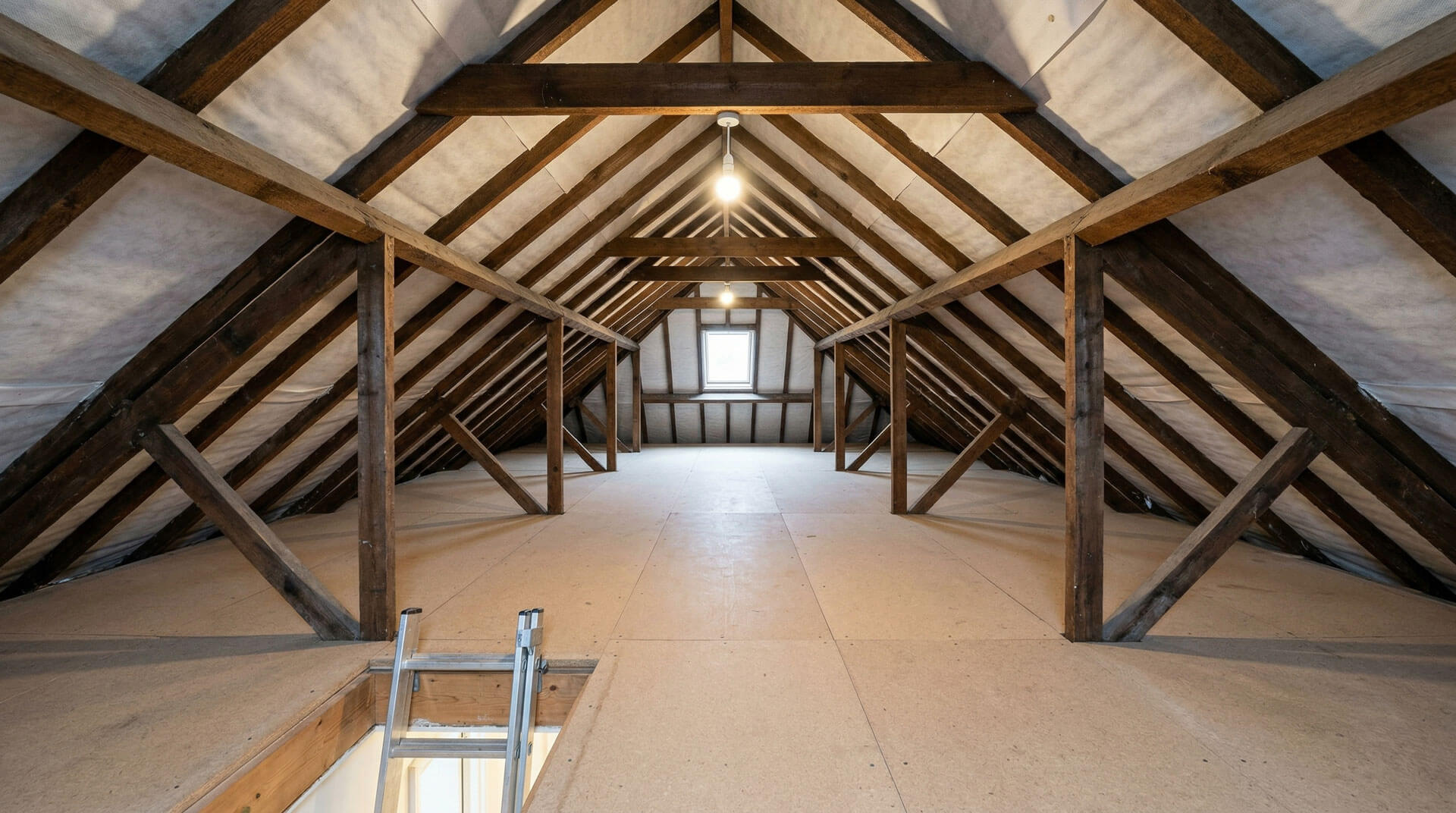
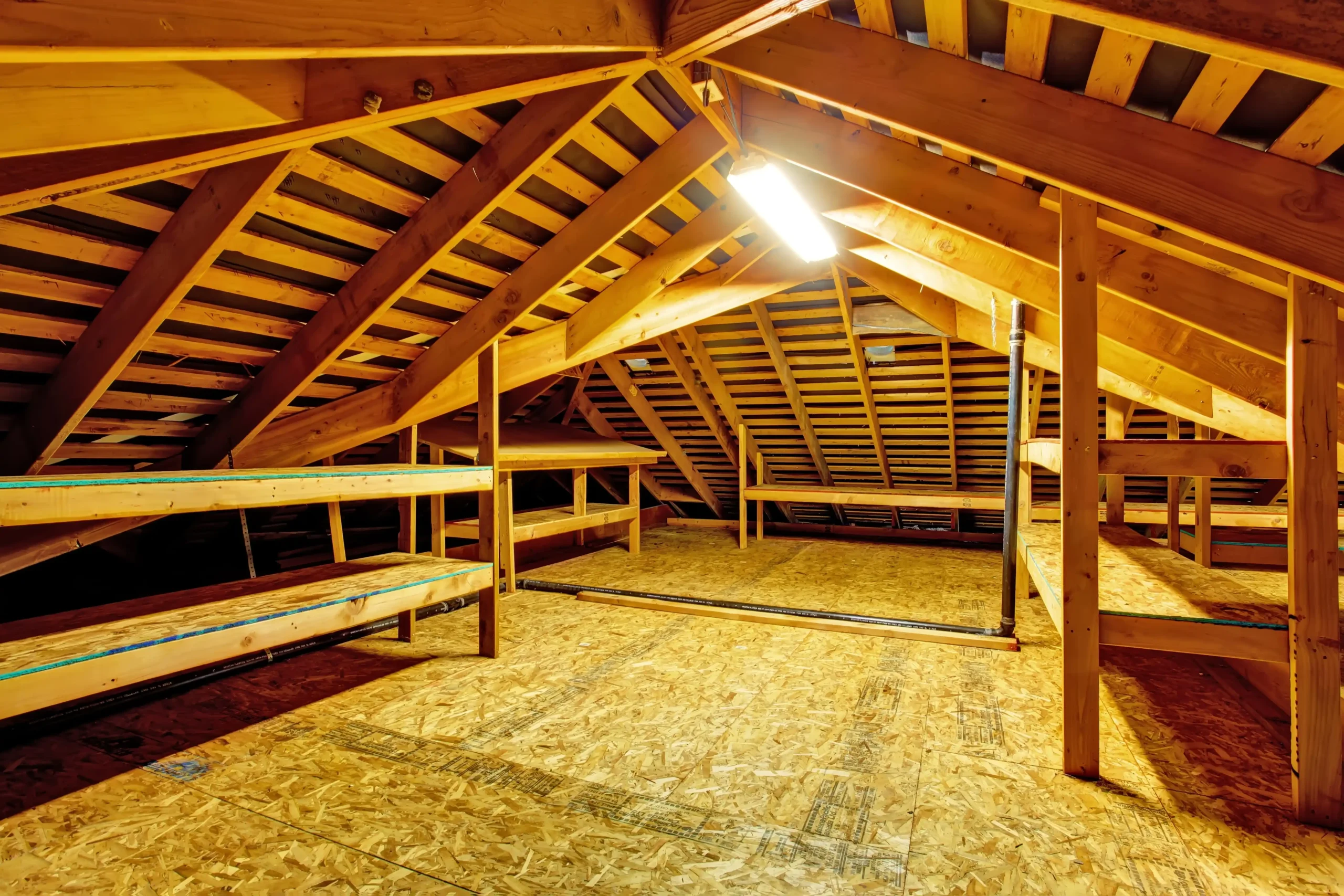
Loft boarding can create a stable raised platform for storage. It helps protect insulation and makes movement easier. A boarded loft is usually cleaner, safer and more practical than balancing across joists.
It is still important to understand the loading limits of any system that is installed. For more detail, see how much weight loft boarding can hold.
What Should Not Be Stored In A Loft?
Even when a loft is boarded, some items are better stored elsewhere. Loft temperatures can become very hot in summer and very cold in winter. Moisture can also affect certain belongings.
- Important Documents: Paper Can Be Damaged By Heat, Cold Or Damp.
- Electronics: Temperature Changes Can Shorten Their Lifespan.
- Delicate Fabrics Or Photos: These Can Deteriorate In Unstable Conditions.
- Heavy Furniture: Large Loads May Exceed Safe Weight Limits.
- Flammable Materials: Paints, Fuels And Chemicals Should Not Be Kept In Roof Space Storage.
Plastic storage boxes with secure lids are often a better choice than cardboard, especially for long-term loft storage.
Speak to a loft specialist
Rather just talk it through?
Speak to the Primeway team about your loft and get honest, no-pressure advice on the right approach for your home.
Call 0800 145 5226How To Make A Loft Safer And Easier To Use
If you want your loft to be more than an awkward crawl space, a few practical upgrades can make it safer and easier to use.
Loft Ladders, Hatches And Lighting
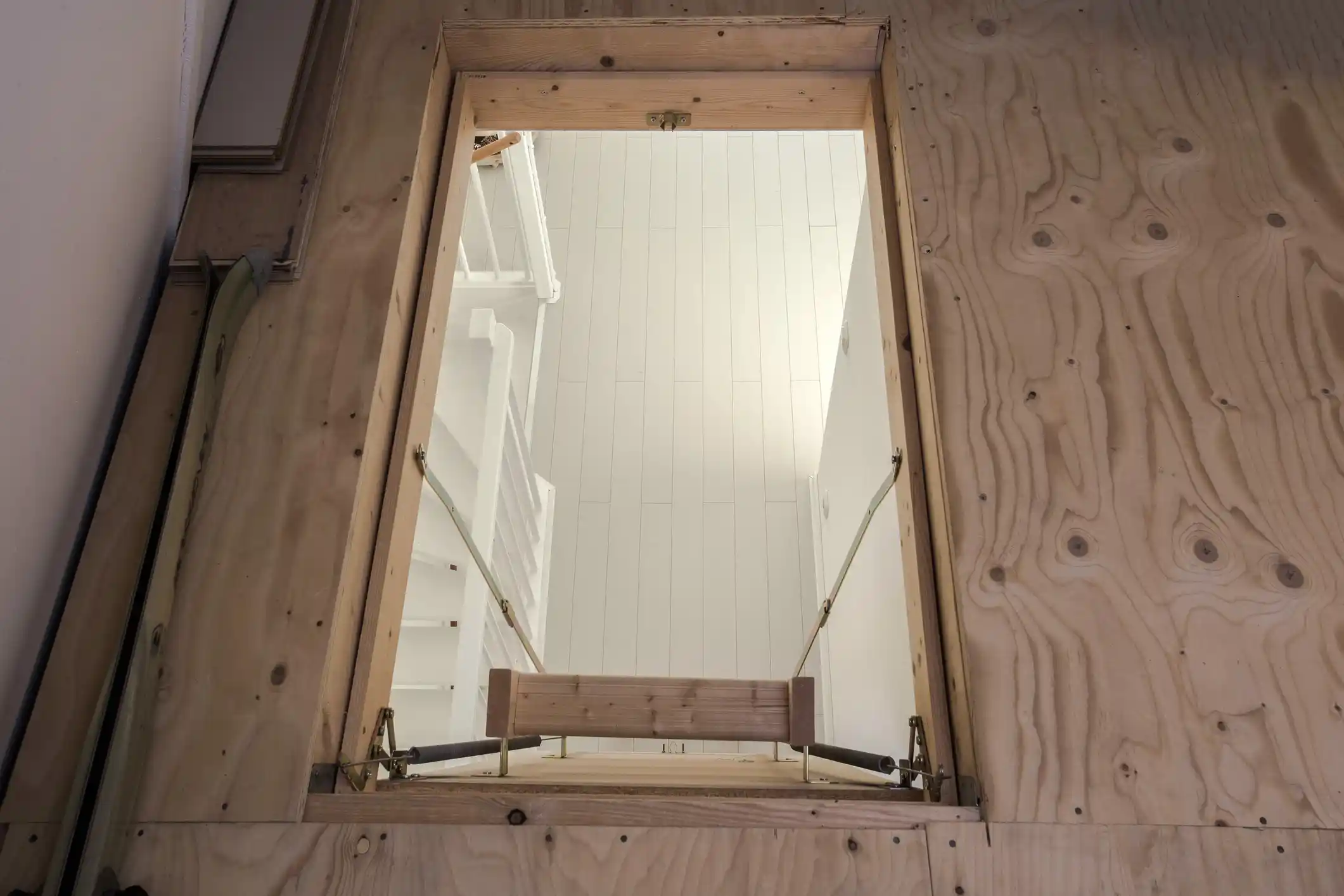
A proper loft ladder makes access easier and reduces the risk of accidents when compared with makeshift steps. A well-sized loft hatch also improves convenience, especially if the existing opening is small or poorly placed.
Good lighting matters just as much. Trying to store or collect items in a dark loft is frustrating and unsafe. Primeway offers solutions for loft ladders, loft hatches and loft lighting. You can also read whether loft ladders are safe to use and how loft lighting improves usability.
Shelving, Insulation And Balustrades
Shelving can help keep stored items organised while keeping walkways clear. Upgraded insulation can improve comfort and energy performance. Safety features such as balustrades around the hatch area can add another layer of protection.
If you want a more organised setup, Primeway also provides loft shelving and insulation services.
Loft Vs Attic: Is There A Difference?
In everyday UK use, "loft" usually means the space under the roof of a house. It is often unfinished and mainly used for insulation and storage. "Attic" is sometimes used more generally, but it can suggest a more room-like space, especially in older properties or in American English.
In simple terms, most UK homeowners use "loft" to describe an unconverted roof space. Once the area is fully upgraded into a habitable room, people are more likely to call it a loft conversion rather than basic loft storage.
When A Loft Could Be Upgraded Beyond Basic Storage
If your loft is currently just an empty roof space, there may be room to improve it beyond basic storage. This could include safer access, better boarding, improved insulation or, in some cases, more significant alterations.
It is important to understand the difference between a storage upgrade and a habitable conversion. Larger changes may involve building regulations or planning considerations. The Planning Portal is a useful starting point for official guidance.
For homeowners who want a safer and more practical storage area, the first step is often a professional review of the loft's structure, insulation and access points. Primeway can help assess what is suitable for your home and recommend the right improvements.
Fun Fact: Your Loft Helps Keep Heat In
Around a quarter of a home's heat can be lost through an uninsulated roof. That is one reason lofts are not just for storage. They also play an important role in keeping homes warmer and more energy efficient.
Final Thoughts On The Purpose Of A Loft
The purpose of a loft goes far beyond storing a few forgotten boxes. It supports insulation, ventilation and access to important household services. It also offers valuable extra space when it is prepared properly.
If you want to use your loft more safely and effectively, improvements such as boarding, ladders, hatches, lighting and shelving can make a real difference. Primeway specialises in practical loft solutions that help homeowners turn underused roof space into something far more useful. Explore the available services on the website or get in touch for advice on the best next step for your home.
Thinking about your loft?
Book a free loft survey and we will talk you through the options that suit your home and budget.